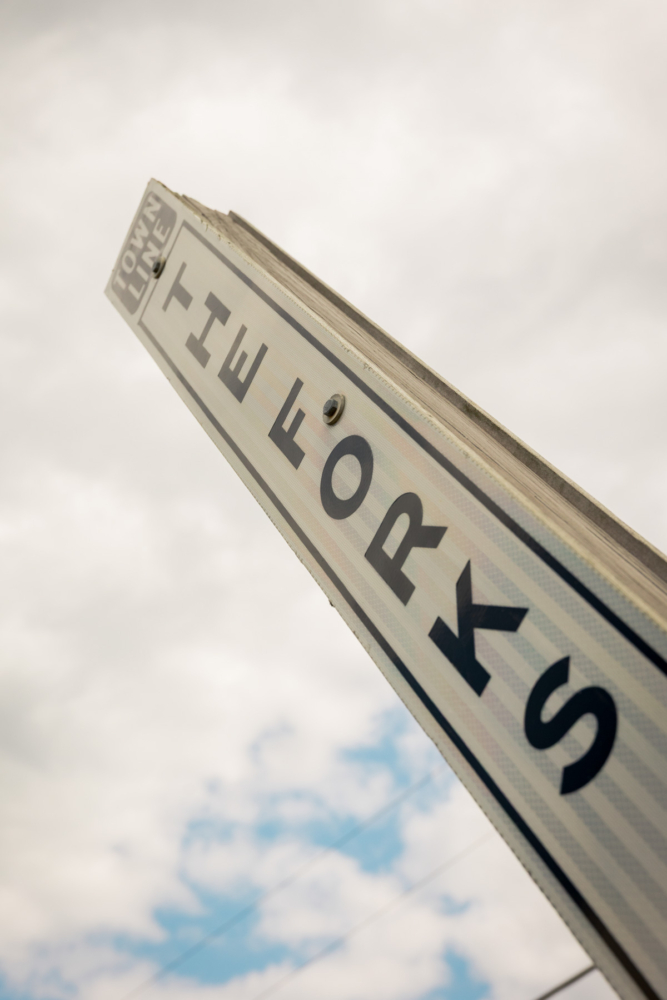
Deep in Maine’s western mountains lies The Forks, a small town with an outsized reputation for river adventures. With a permanent population of 48, The Forks may look like an empty spot on the map, but for paddlers, rafters, and anyone that enjoys river life, it’s a gateway to some of the most exhilarating paddling experiences in New England.
Home to a boatload of rafting operations, guide services, and a small general store, The Forks is really a collection of small towns that create a big splash here in New England. The Forks of what, you ask? Aptly named for its location at the confluence of the Kennebec and Dead Rivers, this convergence creates an ideal basecamp for anyone heading upstream to run either, making it one of the premier rafting and paddling hubs in the Northeast.
Beyond the rivers themselves, the surrounding forests and mountains provide a scenic backdrop that elevates every adventure. The town itself is tiny; its charm lies in its simplicity and accessibility.
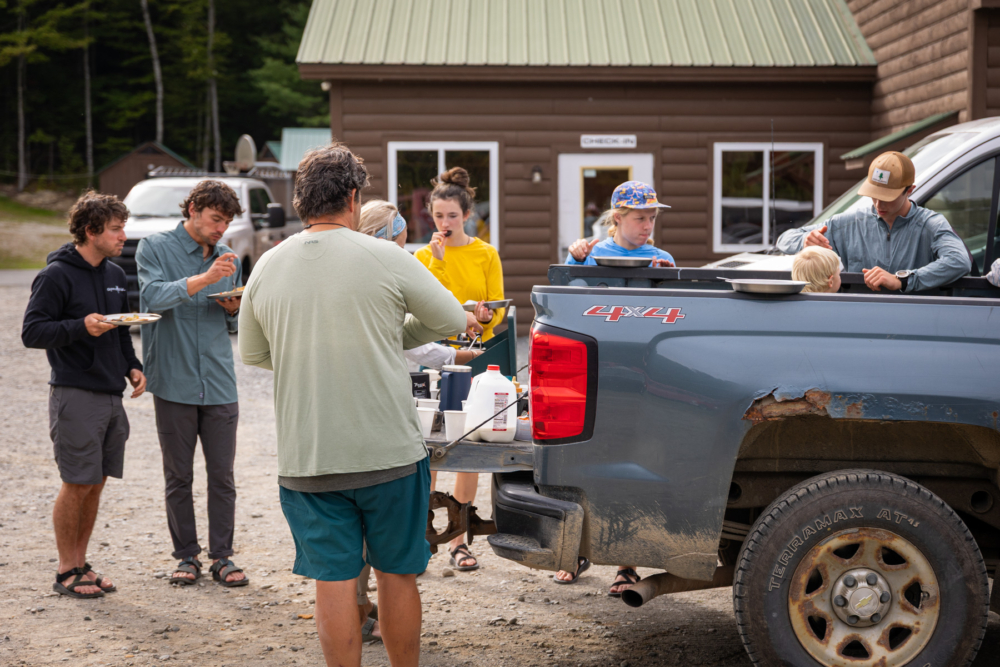
Local outfitters are friendly, knowledgeable, and deeply connected to the rivers they guide you through. It’s not uncommon for guides to keep showing up, season after season, until they retire 50 years later. It’s the perfect place to return to every spring to see old friends and meet new ones. That holds true for the guides, outfitters, and guests.
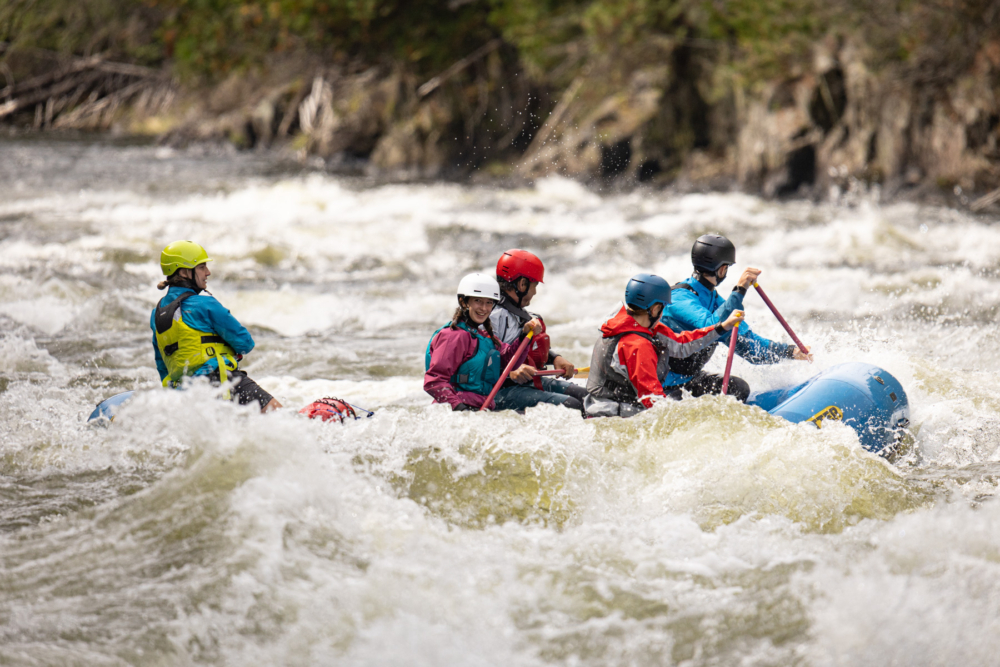
The two rivers beckon beginners to sample the wild Kennebec “gorge” with friends and family, while long-time paddlers can’t get enough of powerful rapids like Magic and Big Mama.
Local outfitters provide guided trips that include all the gear you need, from sturdy rafts and paddles to life jackets and helmets. Safety is a priority, and the guides are experts in reading the river, teaching techniques, and making sure everyone has a memorable—but safe—experience. Many visitors return year after year, drawn by the dynamic rapids, clear waters, and the welcoming sense of community among rafters and locals.
Despite its reputation as a remote adventure hub, The Forks remains truly Maine: laid-back, hard-working, and deeply connected with the land. For visitors, most days start off with breakfast at the rafting company’s camp. Or, better yet, drop by Berry’s Store and pull a breakfast sandwich out of the case and stock up on Moxie or your favorite après paddle beverage. It’s a great place to grab any last-minute supplies; truly a “general” store on every level.
Started in the 1960s by Gordon Berry (Sr.) and currently run by his son Gordon, Berry’s is a fixture in the rafting and Forks community. More recently, Gordon (Jr.) and his wife, Atchara, started up a Thai food truck next to the store. A hot bowl of their noodles has quickly become a favorite way for soggy paddlers to warm up with on their way out of town, or back to the lodge, cabin or tent.
After a day on the water, visitors often find themselves sharing stories with locals at the small restaurants and lodges sprinkled around the area. Marshalls is one of those spots that doesn’t look like much when you drive by, but the food’s good, the beer’s cold and the pool tables still have some felt left on ’em. If you’ve ever wanted to rub elbows with a Maine logger fresh from the woods, this would be your best option.

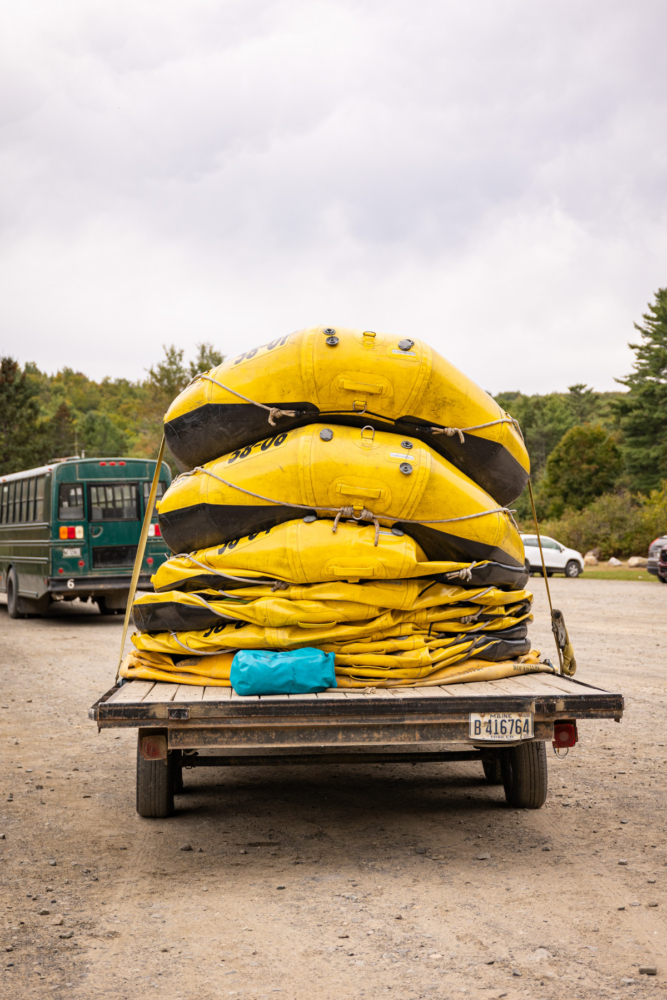
Most of the outfitters up and down the river have food options, or places to bring your own grillables, and plenty of room to spread out and mix with the other paddlers coming in from out of town. Nearby amenities include tents, cabins, and even multi-acre adventure centers complete with climbing walls and swimming pools.
Each outfitter has its own personality; some cater to the 20-something crowd, like Northern Outdoors who’ve built a brewery on the premises for paddlers looking to enjoy local craft beer. Others, like Adventure Bound, specialize in a true family experience, with convenient basecamp amenities and delicious riverside lunches. No matter which river or outfitter you end up with—you’re in for a treat.
The Forks’ history as a logging town adds a layer of character to your visit. Walking through the area, you can still see remnants of old timber operations, bridges, and railways—reminders of the hardworking communities that settled the region long before it became a rafting hotspot.
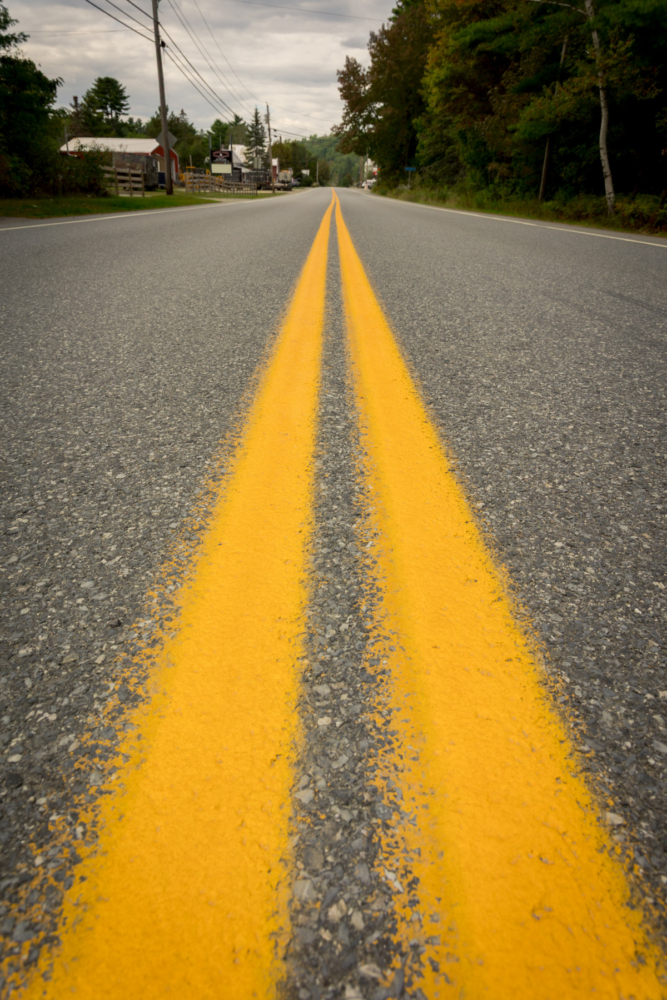

Logging companies built the roads we shuttle on and continue to harvest timber in the area. Be on the lookout for fully-freighted trucks coming down the gravel road. FYI: they don’t slow down! They’re working, so give them the right of way, roll up your windows and hang on.
Most of the infrastructure in the northern half or two-thirds of Maine is for logging, mainly to feed pulp logs to the local paper mills. However, the heyday of logging and paper mills is gone, with many of the mills closing down years ago. The dams and roads are still maintained, but the volume of wood coming out of the forest is a lot less. There are no more log drives on these rivers; no logs spread across the lakes from shore to shore.
The Dead River or the Kennebec… Which one do you choose? For me, the obvious choice is the Kennebec. I love the upper gorge, and when you’re in it—you’re in it. Steep rock walls on each side capped by big, healthy spruce and fir trees. The Dead is also great and offers more continuous excitement plus maybe a few more rowdy rapids.
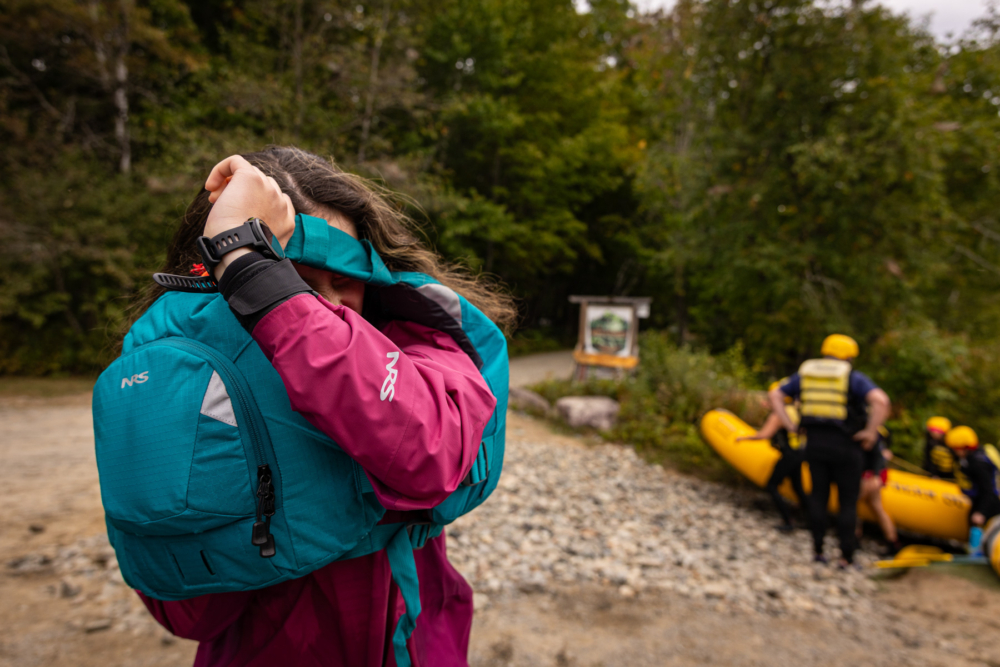
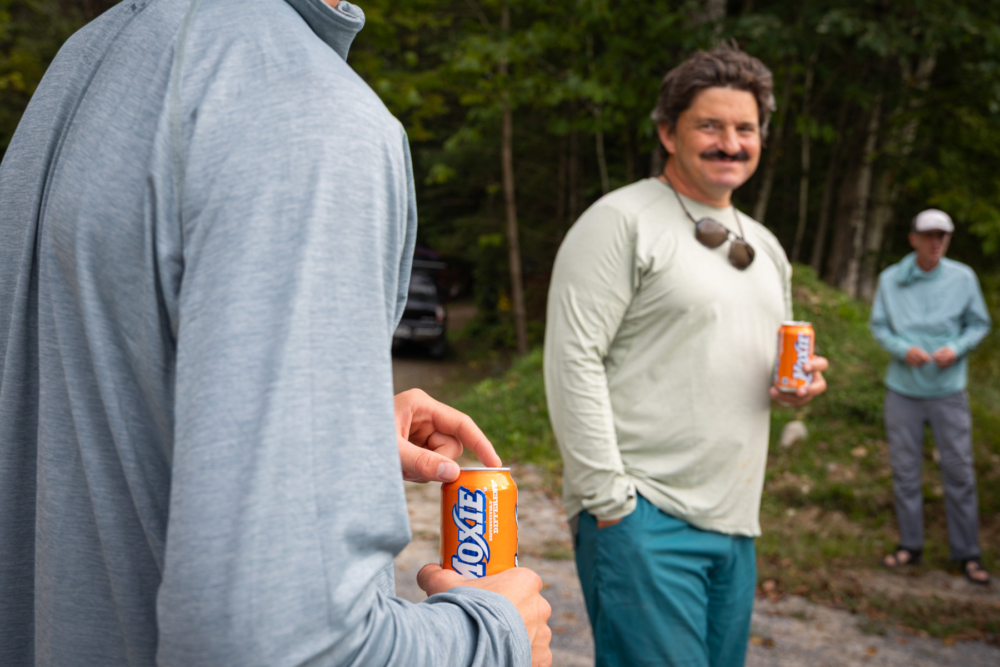
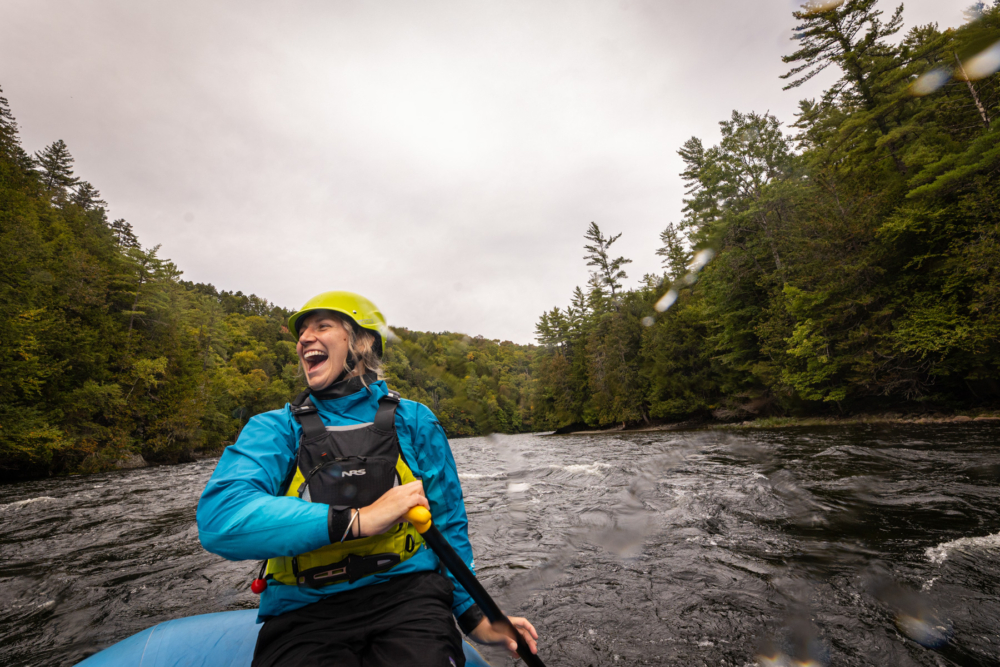
For anyone planning a trip to The Forks, know that the Kennebec flow is scheduled and managed for recreational flows. In other words, you can count on water being released in the morning to accommodate the rafting and recreational boaters. The Dead, on the other hand, is a gamble. There are a few scheduled releases a year, but its water levels are based on the whims of power generation.
The Kennebec is also great water to build your skills: have the experienced paddlers run the gorge and swap around some of the novice paddlers for the lower section. The other option is to drop in at Carry Brook and paddle the lower section, which is great for practice runs or bringing younger folks out on the water to share the experience.
Whether it’s your younger sibling or a friend who’s just starting out, it’s always fun to watch new paddlers learn on the fly and get wet along the way.
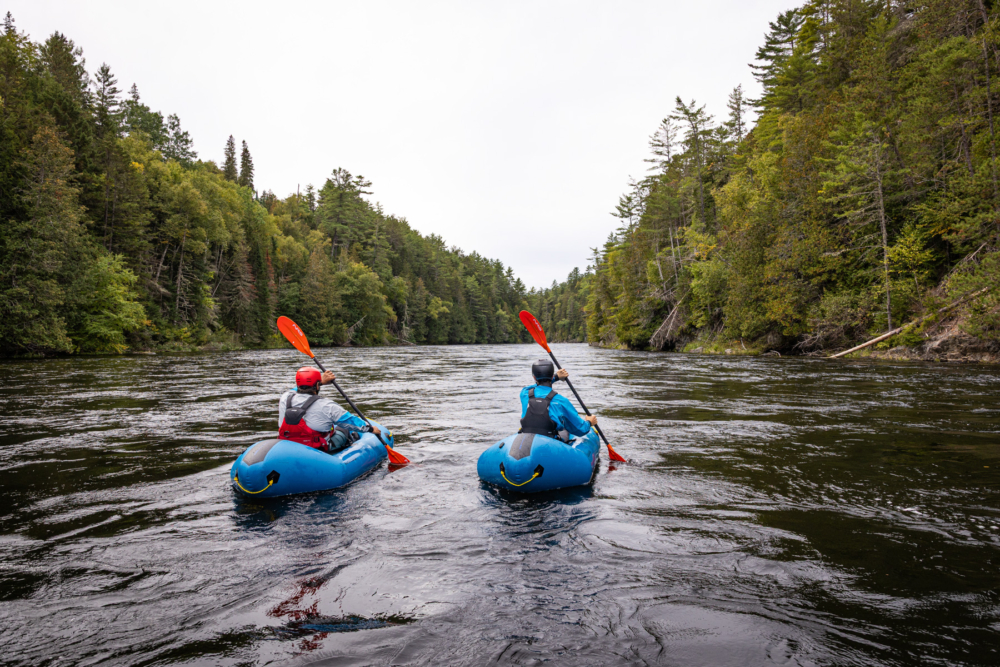
For paddlers, rafters, and outdoor enthusiasts seeking both excitement and natural beauty, The Forks is a destination that delivers. It’s a remote place where the Dead and Kennebec rivers converge, communities come together, and every bend in the water or the road promises a surprise—and probably a moose or two.
***
Guest contributor Joe Klementovich is a freelance photographer happiest near any kind of water. Not too many years into an engineering career he realized he would rather be on the bow of a boat or knee-deep in a mountain stream than sitting in a cubicle, so he dove into photography. Over the years he has worked for The New York Times, The Wall Street Journal, Adventure Journal and even The Fly Fish Journal on occasion. Joe keeps his work interesting by taking on projects that run the gamut from Atlantic salmon restoration in Maine to centuries-old barns being restored and rebuilt, with a fair bit of chasing fins out on the water. You can find him living in the mountains of New Hampshire not far from a clear, cold brook trout stream. Dive into more of his work at www.klementovichphoto.com.