Just over two years ago, as I was leaving the safety and comfort of my family and the state I’d lived in my whole life, I was thrust into adventure before my college experience even began: a rafting trip on the Lower Salmon with the UI Outdoor Program, my first true experience with the university. The reason why I went on the trip at all was because the timing helped my family plan the road trip from California’s Central Valley to the rolling hills of the Palouse in Idaho’s panhandle. We dropped my stuff in my dorm room and then said goodbye on the Student Recreation Center lawn before hitting the road for the rafting trip.
When we made it back to campus six days later, smelly and gross, sand in our hair, but with fresh memories and a whole new group of friends, the freshman orientation week was just starting. But all of that was what really convinced my mom and dad to sign me up for this crazy river adventure. The experiences and connections I made during and after the trip have affected my life in so many unexpected ways since that amazing week.
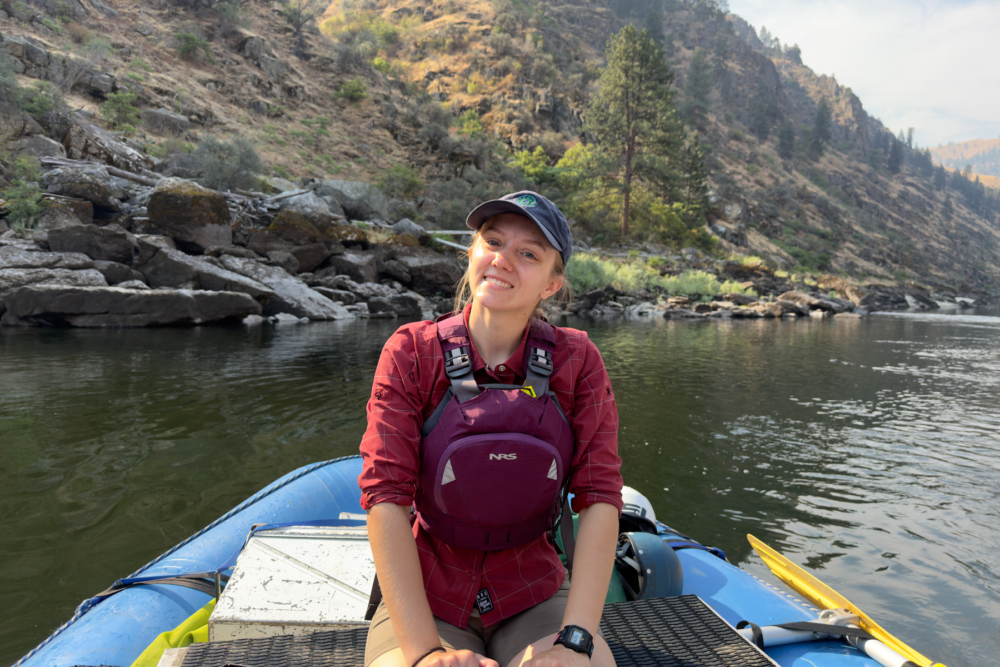
The Vandal Ventures program brings incoming freshmen and transfer students on a six-day rafting or backpacking trip with a group of peers, led by current students working as trip leaders for the Outdoor Program. Participants learn about the university’s core values including respect, integrity, perseverance and excellence, and bond with peers who are all in the same shoes (or Chacos). I haven’t had the chance to participate in or lead the backpacking trip, so the rafting trips are where I can share my experiences.
In many ways, the trip was both a challenge and a gift. I tried finding which people I jibed with best, had open and insightful discussions, and learned about my own ways of knowing and communicating. At the same time, I learned about the world of multiday whitewater rafting, which I had very limited experience with beforehand. Getting to ride through Class III and IV rapids for the first time was exhilarating and intoxicating. Camp life, however, was where I felt most in my element, and I easily picked up the ways of camping on the river. I fell in love with the pattern of traveling on the water for the day, setting up camp at a new beach every night, and waking up to do it all over again.
In this place I had never been before, I immediately felt a sense of wonder and awe in what I can now confidently say is the most beautiful and stoke-worthy place I have ever experienced. If you already have or ever get the chance to float the Lower Salmon, you’ll likely understand why I feel this way. From the steep, towering walls of Blue Canyon where bighorn sheep thrive, to the dispersed, wide-open sand bars where we slept under the stars, existing for just a few days in this place led to so much reflection, questioning, and understanding. And that’s just the Lower Salmon—there’s still so much more river to learn from.
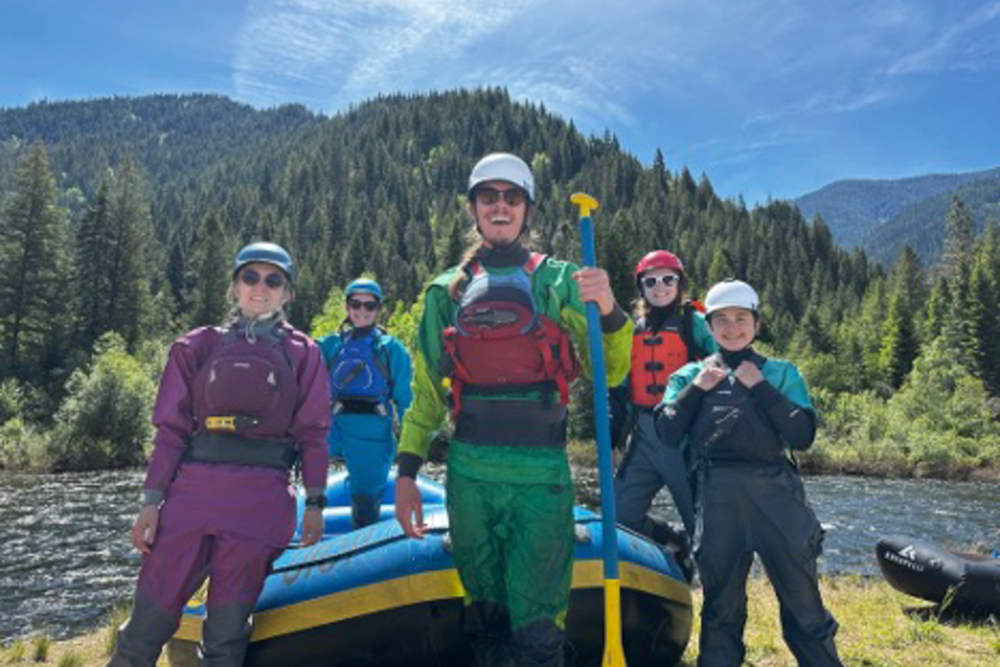
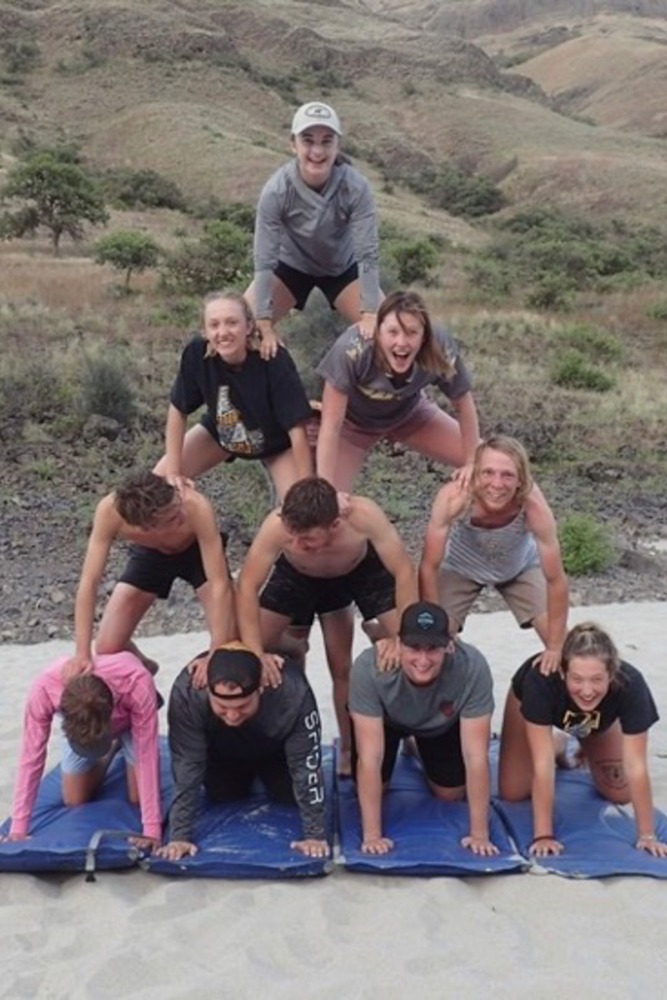
The Lower Salmon persists today as a place of tremendous value, to us humans and the equally important non-human life. The Salmon River basin is part of the traditional homelands of the Nimiipuu and the Shoshone-Bannock tribes, and has been for thousands of years. The ways and provisions of the river are deeply engrained in their unique cultures and traditional practices.
Since the nineteenth century, explorers, fur trappers, miners, boatmen, and homesteaders have reshaped how people value and use the Salmon River. White settlers drove rapid and intense change that transformed the river and the surrounding ecoregion. The simultaneous extraction of native animals for the fur trade and introduction of exotic plants and animal species altered the natural biodiversity. The emerging homesteads, towns, and later, the construction of Highway 95 transformed the landscape, improving travel and trade systems. While these events changed the river and how people value it, Indigenous peoples, local communities, conservation groups, and the recreation community still recognize its power and hold it in reverence today.
As a member of the recreation community, I believe that we are incredibly blessed to have the freedom to experience the not-so-easy-to-access places of the world in fairly comfortable and safe conditions compared to those earlier in history. I’ve had the privilege of leading trips for the university as well as personal trips with family and friends. Sharing the history of the place is one of my favorite parts of bringing people on the river because it’s part of why I came to love the Lower Salmon River the first time I ever went rafting.
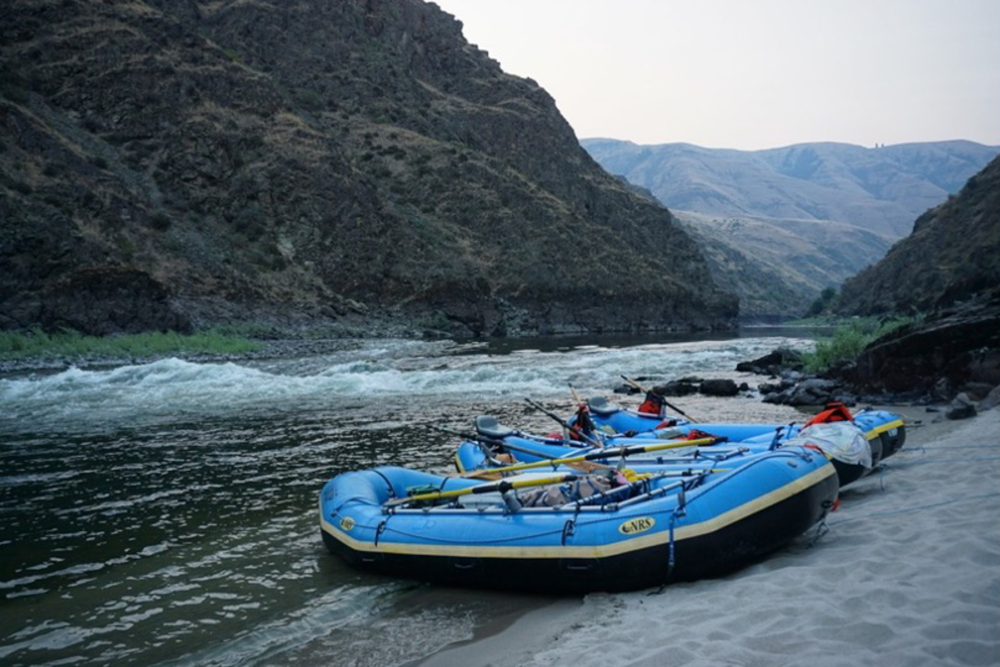
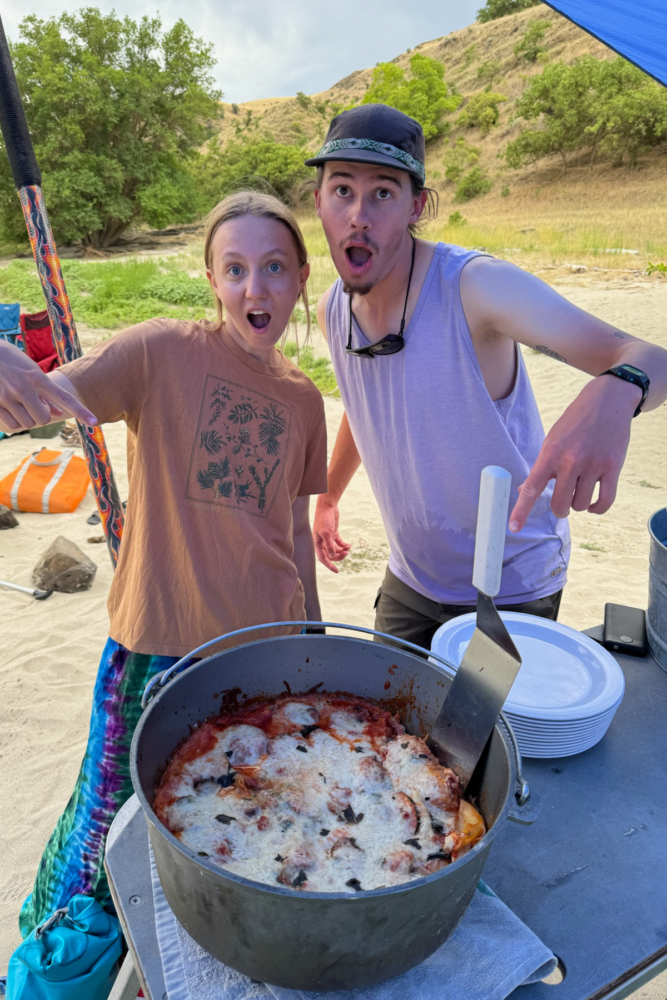
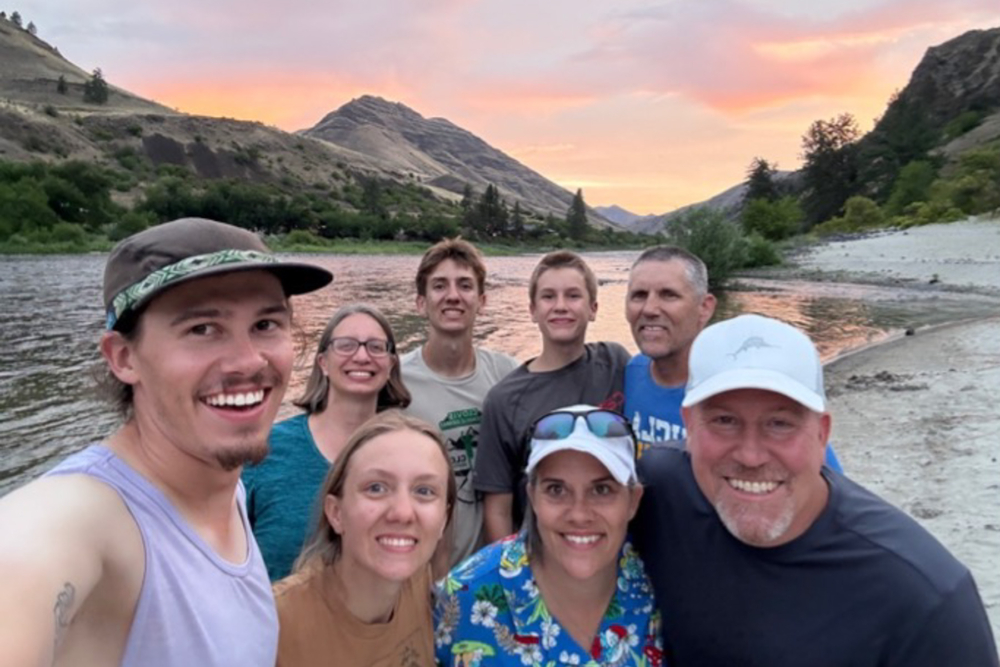
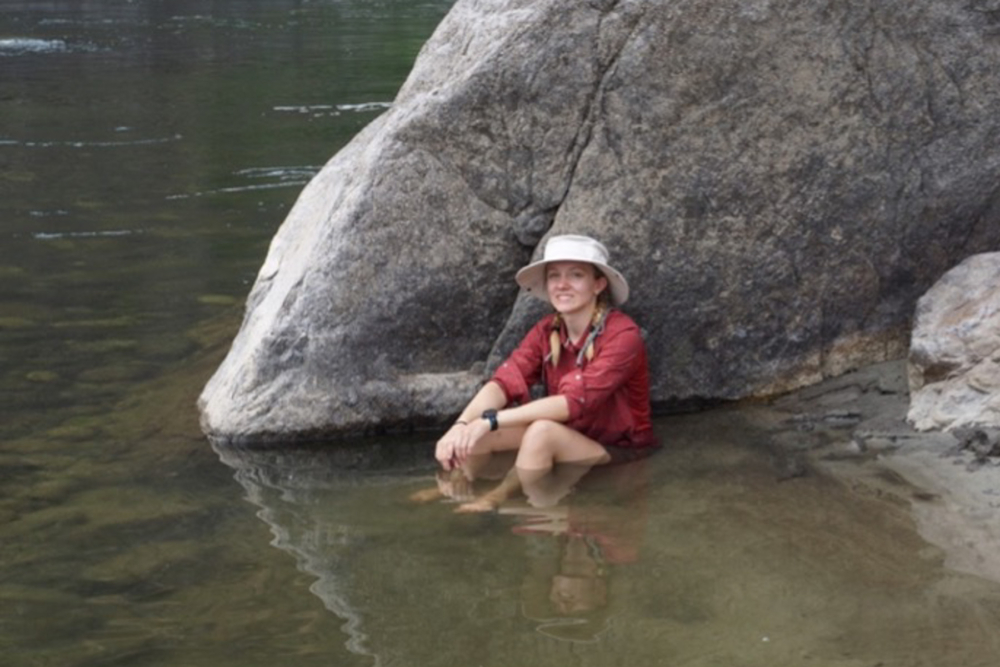
After that very first rafting trip, I connected with the Outdoor Program about employment and was able to secure myself a spot at the coolest job on campus: bringing people outside to recreate, explore, and learn more about the natural world around us on trips like backpacking, cross-country skiing, and my personal favorite, rafting!
Several others from the trip also work for the Outdoor Program, and we’ve turned into a tight group of friends. We all agree that our experience on the Lower Salmon form a large part of the enduring connection between us. In addition to the friendships made, the Vandal Ventures trip also brought me together with my boyfriend of two years, a leader on that trip. On and off the river, we have grown into a steady and capable team, ready to navigate smooth flows or rough waters.
Thanks to the connections I made through that initial rafting trip, all the most important parts of my life today seemed to have fallen into place. I’ve been learning and gaining experience in so many areas. I’ve tried out new ways of recreating that I really enjoy, from skiing at Lookout Pass to bikepacking up to Moscow Mountain and earned certifications as a wilderness first responder and in swiftwater rescue. Things that I never imagined doing (or being good at) became natural and expected for where my future’s headed.
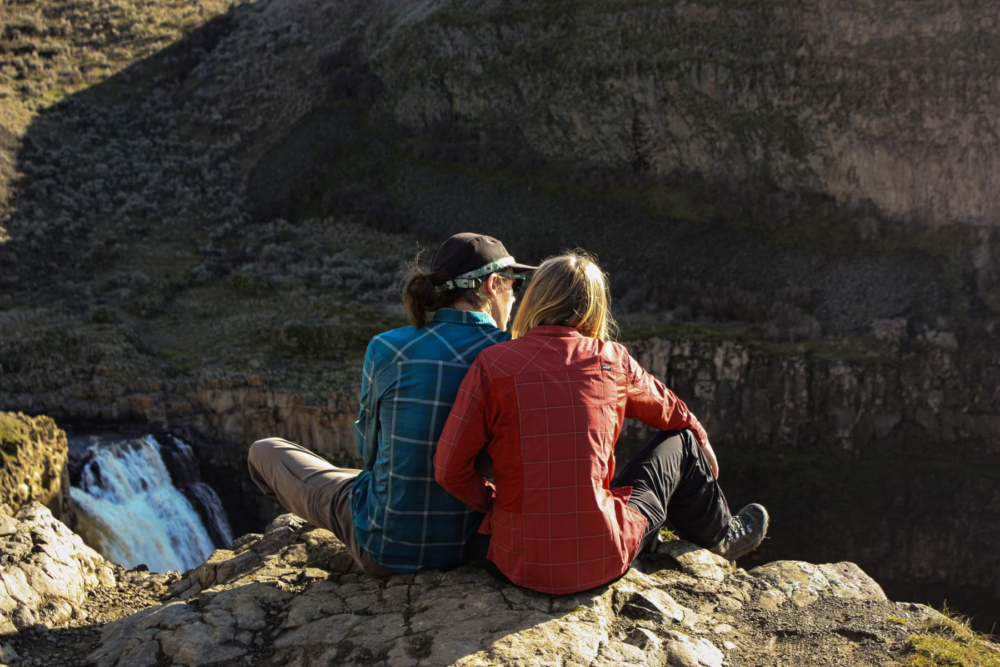
This experience taught me that taking risks and jumping on opportunities that show up can change all your expectations.
I came to the University of Idaho because I had a desire to see and do more. The environment where I grew up wasn’t somewhere I really felt I was meant to be. The sense of pride and culture came primarily from sectors like agriculture, energy production, and manufacturing. Having traveled around in my childhood to go camping in the desert or the mountains, I loved the feeling of being surrounded by wilderness and isolation. I felt a calling to work outside and dedicate my career to the land, the ecosystems, and everything within that. So when the time came, I moved out to Moscow to study Environmental Science. My time here has been exactly what I was searching for and more.
I encourage you to not let unforeseen opportunities that are right in front of you just float by, and instead, dive head-first and take them. What you find could revolutionize your life.
***
Guest contributor Laura Neufeld is a student at the University of Idaho, getting her B.S. in Environmental Science and academic certificates in Sustainability and Climate Change. Her academic interests align with her appreciation for spending time outdoors. The seemingly infinite possibilities for learning through new experiences in nature continue to guide her towards a career in environmental conservation and land stewardship.