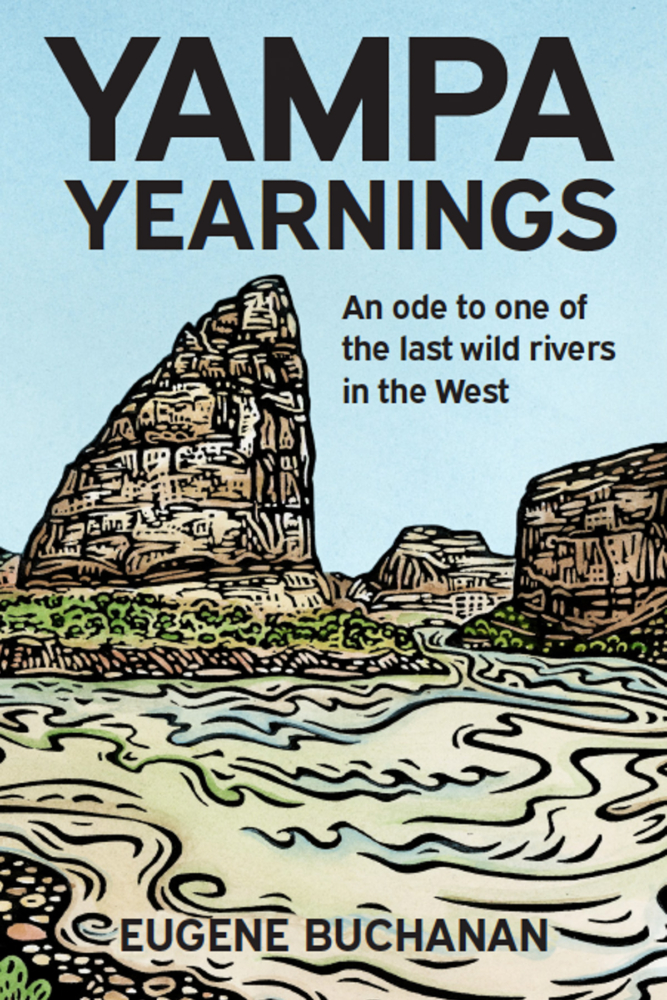
Love a river-based read? We’ve got a treat for you! Yampa Yearnings by award-winning author Eugene Buchanan heralds northwest Colorado’s Yampa River, the last remaining free-flowing tributary to the Colorado River Basin that still retains its natural hydrograph.
Through personal anecdotes and insights garnered over a lifetime spent on the Yampa, Buchanan calls attention to current issues like water rights, access, climate change, and more to create a compelling narrative that will instill a sense of waterway preservation in everyone who turns its pages.
We sat down with Eugene to learn more about the Yampa and why this story remains so close to his heart.
What was your inspiration in telling this story? Why now?
The Yampa is facing an uphill battle when it comes to climate change and the fact that we’re dealing with less water in the West. These lower flows affect everything from its riparian zone and the fish—endangered and other—that rely on it. The birds that come here every year, the wildlife, and the farmers and ranchers… People are becoming more aware of how climate change is affecting the planet, and rivers like the Yampa are at the forefront of all this.
I served on the board of Friends of the Yampa for more than 20 years, so I’m pretty familiar with all the issues it’s facing. With the Yampa so instrumental in my life, I’m motivated to make a difference — using it as a way for others with waterways in their backyards to realize their importance — recounting my experiences to help inspire others to protect their local waterways, kind of like David James Duncan’s “My Story as Told by Water.”
What’s so unique about the Yampa?
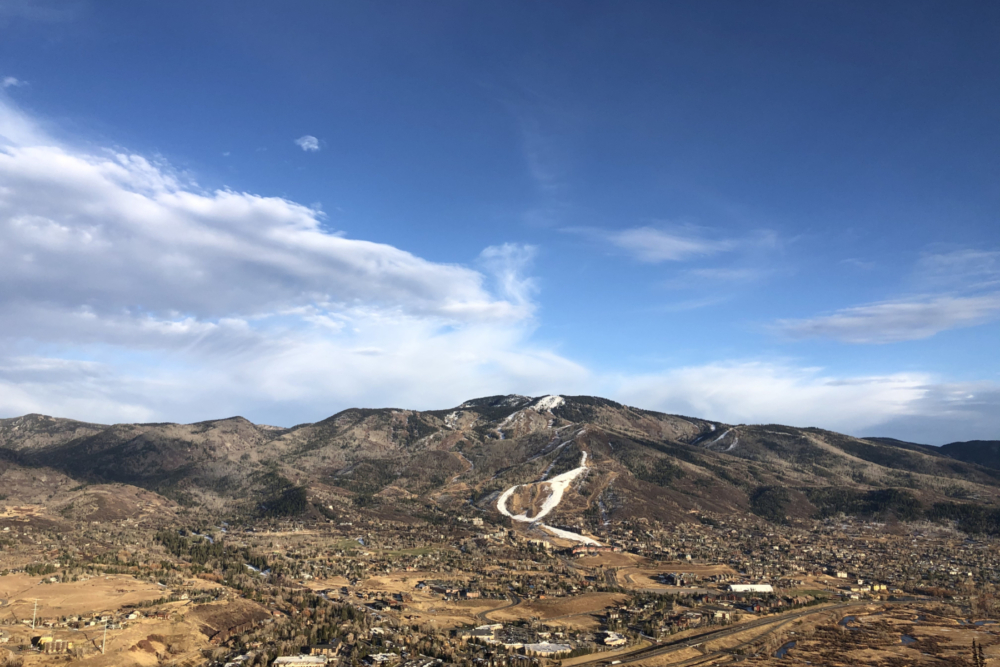
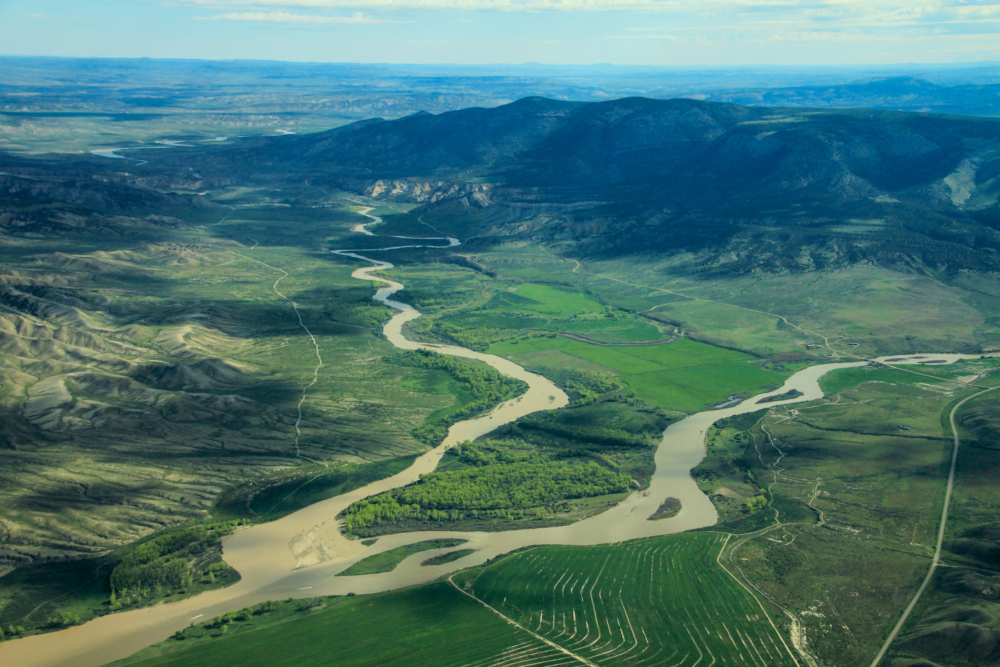
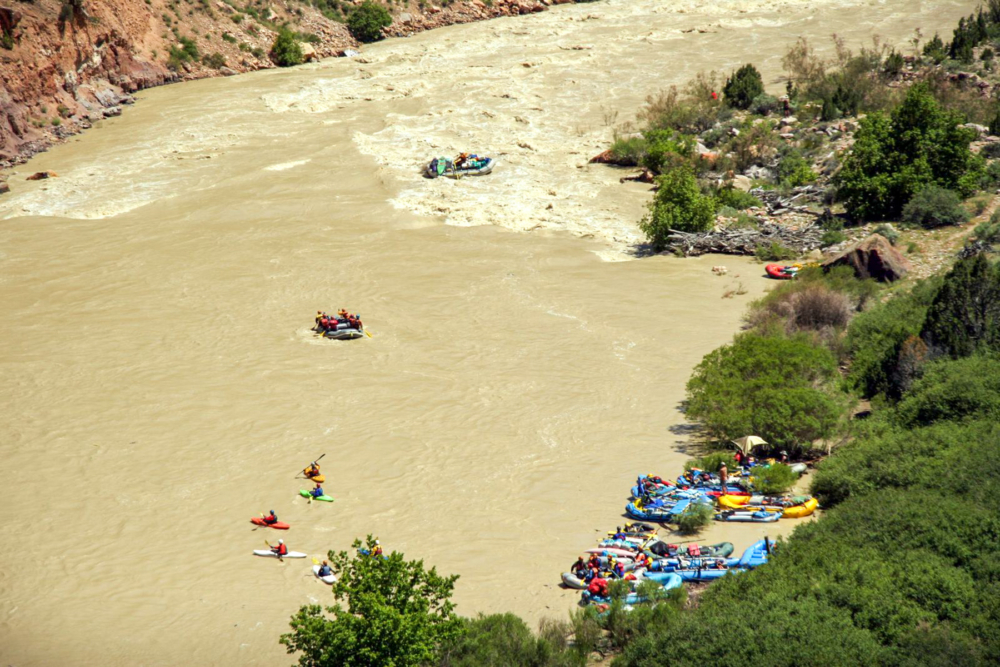
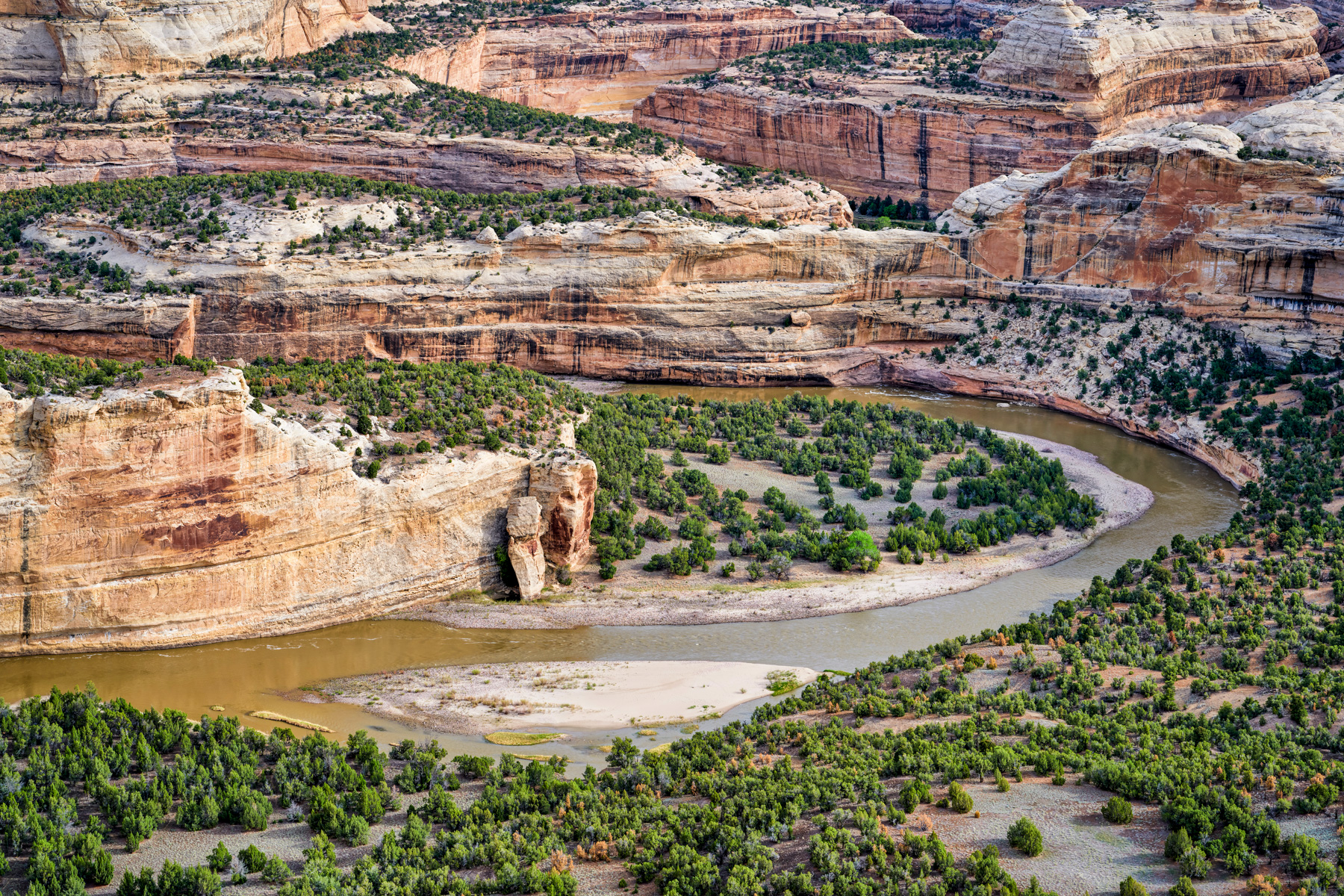
It’s the last remaining free-flowing tributary to the Colorado River system that still retains its natural hydrograph. It’s also the wettest location in the state in terms of stream density—it has a few dams, but they’re way up in its headwaters. All its major tributaries come in below, which can swell it up to 20,000 cfs by the time in reaches the Green in Dinosaur National Monument. From its headwaters a flycast from the birthplace of the country’s wilderness movement in the Flat Tops Wilderness Area to its confluence with the Green 250 miles later, it supports agriculture, municipalities, a word-class ski resort, industry, endangered fish, unique riparian zones, water rights, recreation and more.
How does the Yampa compare to all the other rivers you’ve paddled?
It’s not like the Yampa is better than any other river. There are ones that are longer, larger, prettier, cleaner and facing even bigger problems all over the planet. But its story is representative of all of them. I’ve been lucky enough to have paddled rivers all over the world; it’s not that the Yampa does anything better than any other river out there… it’s just a great example of one that’s continuing to do what it does best—carrying water downstream. But it does so with what many others don’t have anymore: a free-flowing hydrograph supporting unique aquatic life, riparian zones and more.
What is a hydrograph, for those who don’t know? Why is having a natural hydrograph important?
A hydrograph is a graph plotting a river’s discharge (flow volume) over time. A natural hydrograph plots factors such as rainfall and snowmelt, typically displayed in a characteristic curve. This varies greatly from the flat line hydrographs of regulated rivers, where flows are dictated by human needs. We can learn a lot from a river’s natural hydrograph, as they offer insights into seasonal and daily variability over time, account for baseflows and events like natural floods or transport sediment, all of which help to shape an ecosystem.
Is it true that you first floated the Yampa with your family when you were 10?
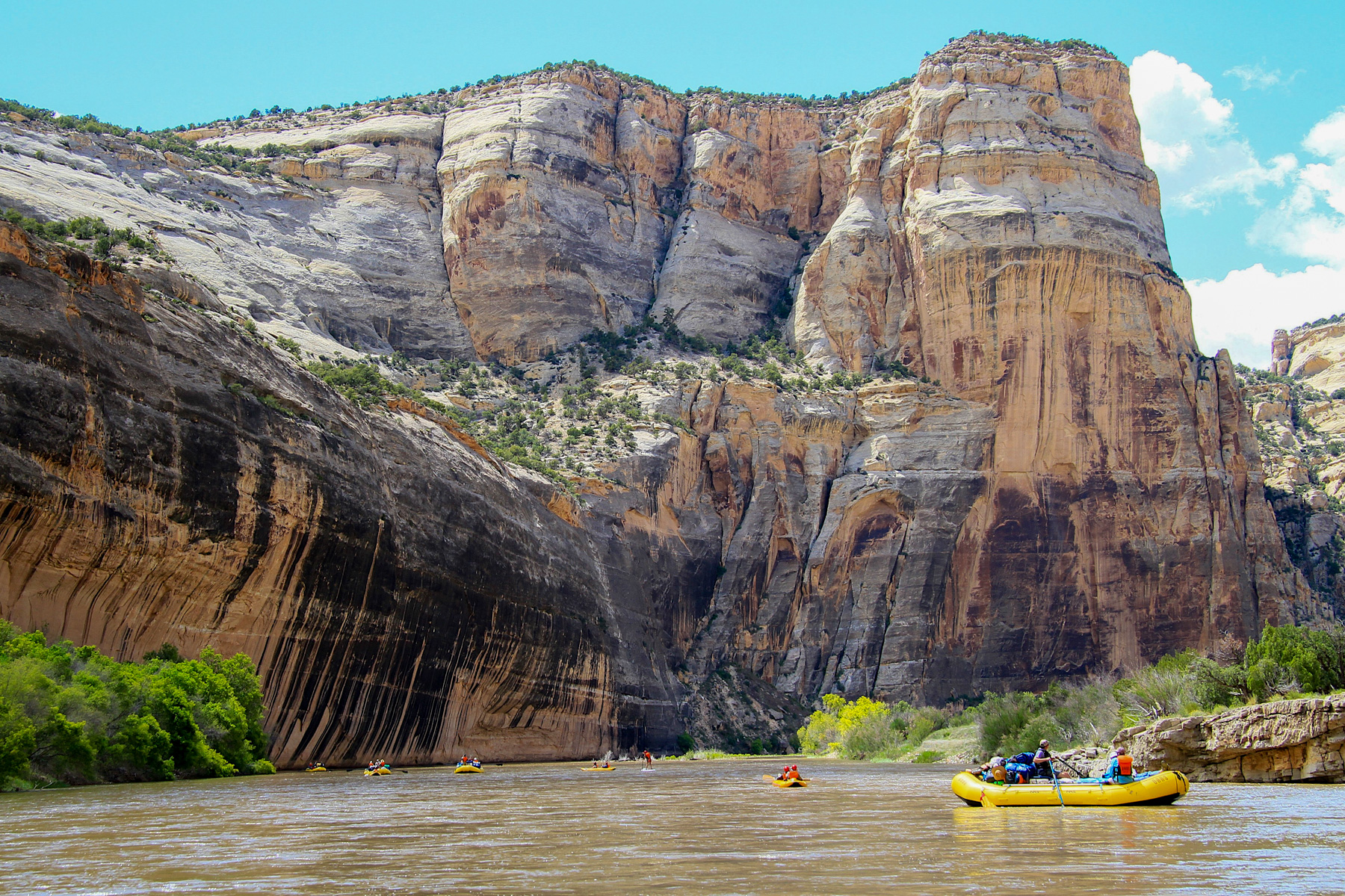
Yeah, my mom took us down on a commercial trip. I don’t remember too much from that trip, other than getting a raw lip from kissing desert-varnish-striped Tiger Wall for good luck as we floated by, and giving my mom a bouquet of Indian Paintbrush flowers that I hand-picked at camp and one of the guides saw me. Mostly, I remember how beautiful it was.
Now, the Yampa is your home river. Did that trip (or the river) factor into your decision when you moved Paddler magazine there back in 1992?
It’s kind of funny how that worked out. We needed a river town to base the magazine out of, and Steamboat Springs checked all the boxes. There are a lot of great river towns out there, but this one was close to home, as I grew up in Boulder, and the Yampa was a big part of it. And the kayak company Wave Sport was based here at the time. I had no idea how that experience would shape my life. Fast forward nearly 50 years from that first Yampa trip, and I’ve now spent more than half my life living just a block away from the river.
Are you glad to have chosen Steamboat as your home base?
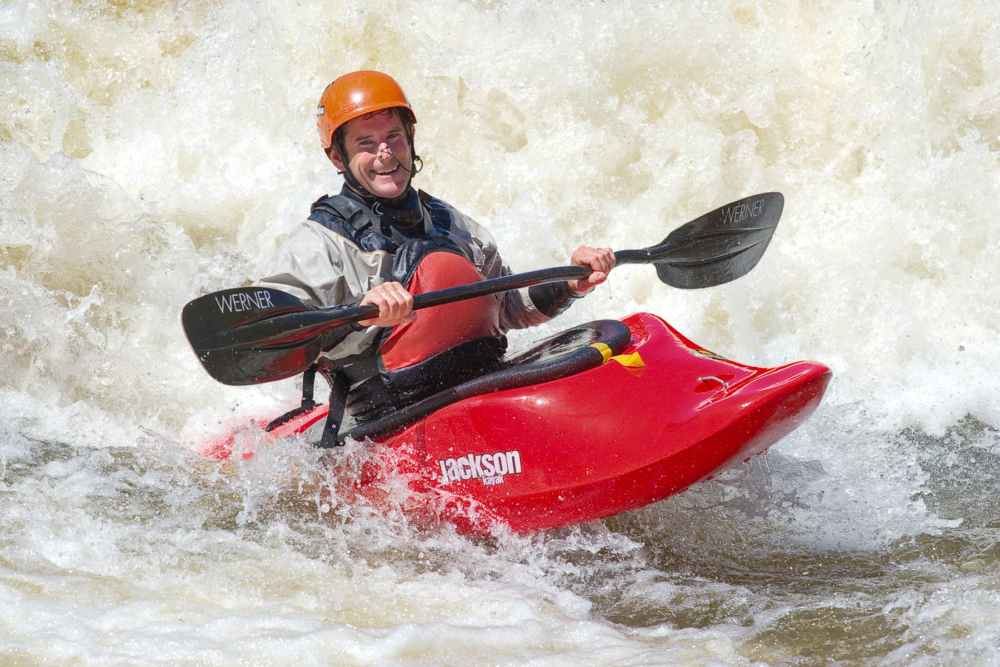
It’s one of the best decisions I’ve made in my life, raising my two girls, Brooke and Casey, in a small mountain and river town like Steamboat. The river has played a huge part in our life here: they’d swim in it, I’d pick them up from soccer practice in a raft, and take them floating on its various sections, including multi-day trips down Yampa Canyon or Gates of Lodore with their friends.
How do you think growing up on the Yampa has affected the way your children will see the world?
I think it all helped instill a notion of how important and valuable a resource the Yampa—all rivers, really—is. I’ve always used rivers as a metaphor for life: go with the flow, make the best decisions you can based on the information you have, and then run with it. You can always adjust your course. Take the wrong route? Put in a couple of correctional strokes to get back on the right path. And don’t be afraid to eddy out every once in a while, to take it all in.
Any special stories from the book you’d like to relate?
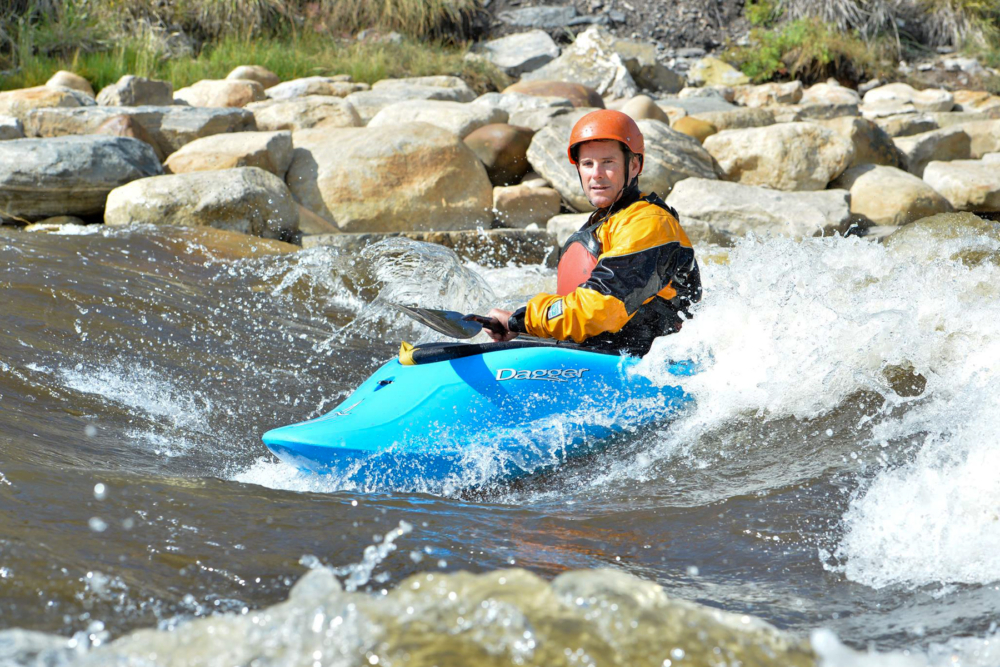
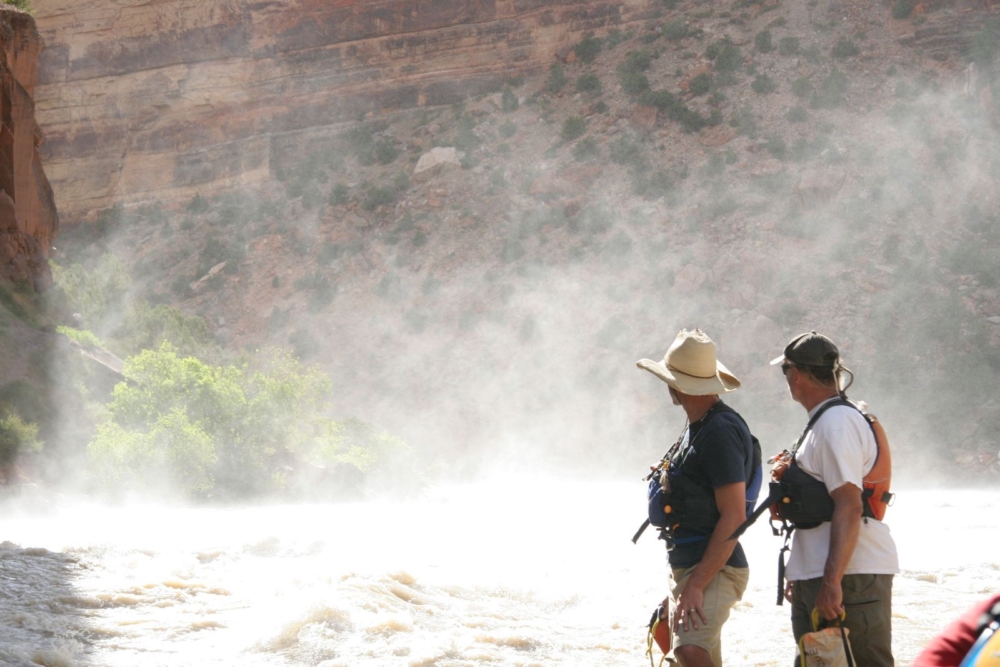
One time we helped a cowboy rescue his cattle in Dinosaur [National Park] from our kayaks. He needed to get them to the other side, so he’d round them up along the bank with his horse to a cliff, and then we’d peel out of the eddy in our kayaks and “hee-yah” them across the river like we were in City Slickers. Or the time my buddy Pete Van De Carr kayaked the entire Yampa from the town of Yampa all the way to Jensen, Utah, with a package of Twinkies in his Pelican box and then sold them to the outfitter to prove you can conduct interstate commerce on the Yampa and so it’s a “navigable” river.
How hard was it to write?
It was a passion project more than anything, so it never really felt like work. But it took a while. I had a lot of stories about it from my time running Paddler magazine and PaddlingLife.com, so I could pull from those a bit, but had to update them. I then I wanted to weave in more current issues like water rights, access, climate change, agriculture and other uses and more. It sounds daunting, but it felt pretty seamless to tie in my own personal experiences as a sort of narrative flowing through it all. More than anything, I wanted it to be “readable,” so people would actually get through the more technical parts and take away a newfound respect for the rivers flowing through their back yards.
You seemed to have succeeded, if the advance praise is any indication. Author Richard Bangs called it, “A love letter to one of the last truly wild rivers in the American West—and a reminder of what we stand to lose and why we must fight to preserve it.”
Thank you! Yes, it has had great reception so far, and I’m looking forward to seeing how the story resonates with readers. You don’t have to be a rafter or kayaker to enjoy the book, or hopefully, learn something from it!
For a passion project, you’ve had strong support so far.
Yeah, it’s been great; a lot of people got behind it, supporting its message, from nonprofits to businesses and Kickstarter supporters. I’m extremely grateful to all of them. On the nonprofit side, hats off to the Walton Family Foundation, American Rivers, Friends of the Yampa, River Network, River Management Society, Yampa River Fund, and Nick Would Foundation.
On the business side came support from Alpacka Packrafts, NRS, Cruiser’s Sub Shop/River Collective, Recreation Engineering and Planning, the Boyd&Berend Group/Steamboat Sotheby’s International Realty, Ski Haus, and Backdoor Sports; as well as Kickstarter support from Honey Stinger, Hala Gear, Riversmith, Adrift Dinosaur, Fishpond, Steamboat Powdercats, Paddling Life, Rig to Flip, and Mythology Distillery. It’s indeed a wide range of support, which I think speaks volumes to how important the Yampa is to a lot of people.
What do you hope readers walk away with after reading it?
I recently read Robert Macfarlane’s book Is a River Alive?, which makes a compelling case for rivers having rights as “holistic beings,” citing New Zealand’s passing of the Te Awa Tupua Act in 2017, which bestowed such rights on the country’s Whanganui River, calling it “a spiritual and physical entity with a lifeforce.” To imagine a river is alive, he wrote, causes it to “glitter differently.” That’s what I hope people feel about the Yampa or the rivers in their own backyard: To not take them for granted, appreciate what they do, and join the fight to protect them.
***
Editor’s note: Eugene Buchanan is the former editor of Paddling magazine and the founder of PaddlingLife.com. His work has appeared in the New York Times, Men’s Journal, Outside, National Geographic Adventure and other publications. You can find more of his work at www.eugenebuchanan.com),
Purchase your own copy of Yampa Yearnings here.
Photography courtesy of Eugene Buchanan, Anna Bruno and Thomas O’Keefe/Rie Yamazaki (American Whitewater.)