Travelling. It’s often not as romantic as you see on the internet. Long flights, poor food and rough sleeping arrangements are some of the many ordeals travelers come across. Now add transporting a nine-foot kayak around while living on a budget! Welcome to the world of dirtbags on tour.
The Airport Hustle
It starts at the airport, the first big hurdle to jump. Transporting a boat via plane can be a bold move. Sure, it’s convenient once you arrive at your destination… but you have to get through the airport baggage gauntlet first. Some things that can help are to arrive on time and well dressed. The airport staff appreciate a well mannered and well dressed traveler—don’t worry, you’ll be embracing the dirtbag lifestyle soon enough.
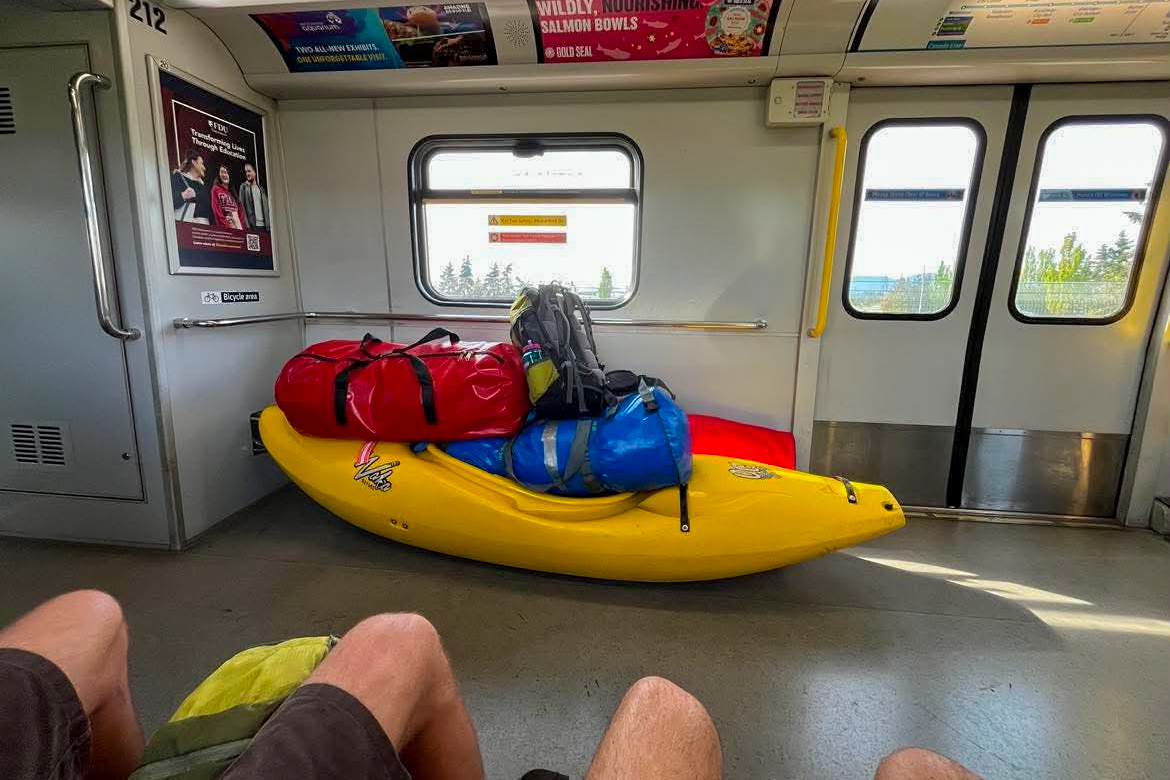
Picking a good airline carrier is key. Some allow kayaks in almost any state, some require you to wrap your “surfing equipment,” and some will make your life hell! I recommend Fiji Airlines and Qantas.
Some classic kayaker moves are to wear your PFD and helmet to let the world know you are an adventure spirited traveler. Do what’s your suitcase allows, but see above re: showing up well-dressed.
Another space-saving hack is to take your lap drybag (I recommend an NRS dri-duffel or watershed) onto the plane in addition to your normal carry-on bag, as saving money is essential when it comes to flying. Weight is money, and money is needed to buy snacks for kayaking.
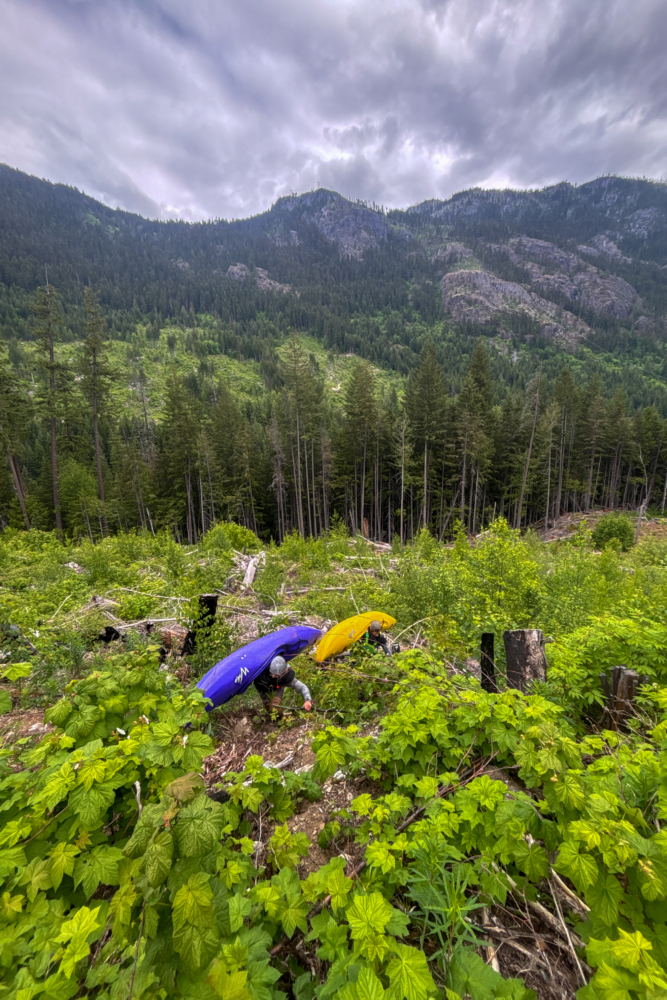
Once you arrive at your destination, enjoy the process of locating and moving your kayak around and out of the airport (fingers crossed it arrives for you, and that there aren’t too many stairs). It can be a real obstacle course equal to a class v portage! I usually drag my kayak or carry it on my shoulder, as placing it on a trolley makes for an obnoxiously wide object to avoid other people in the airport wasteland.
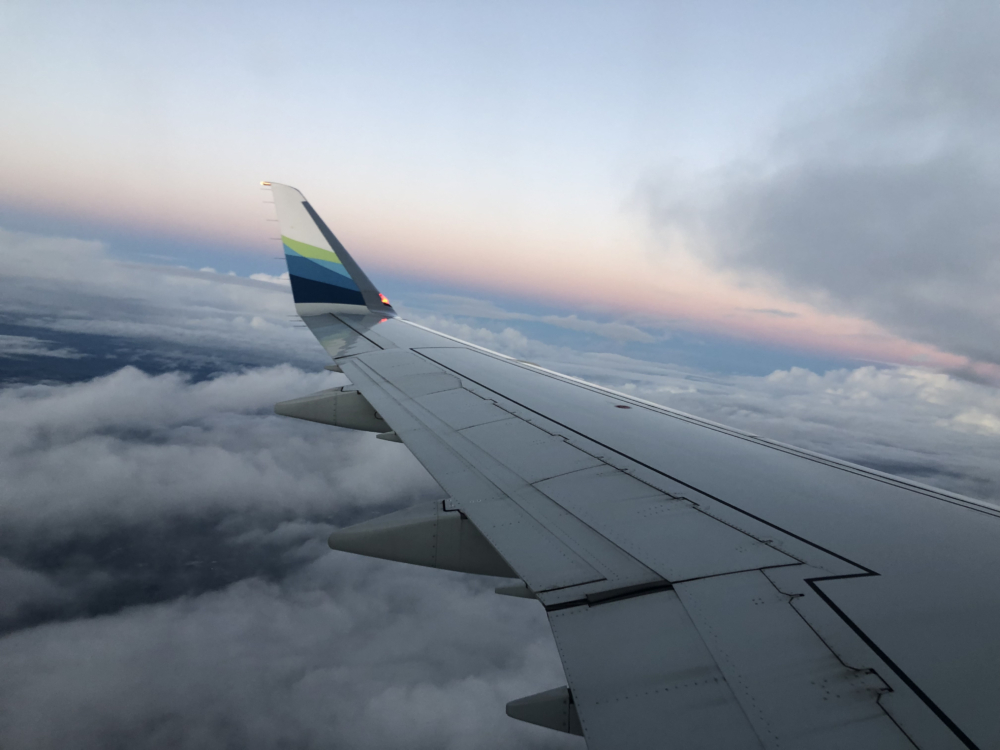
Your bag didn’t make it? Make your way to the baggage support counter, and cross your fingers that you have an address they can deliver to once it (hopefully!) shows up. Placing an AirTag in your kayak can give you a bit more comfort knowing your kayak is still 5000 km away, on the wrong continent.
The Essentials
Ok, now we need wheels. If it’s a short trip, get a rental (take the insurance option, trust me). For anything longer, bring a friend that knows cars and join the battledome of Facebook Marketplace. Take your time and choose wisely. Do you want four-wheel drive? How bald are those tyres? Any information on when the transmission was done? Your car blowing up on tour without a garage in sight will make for a good story down the line, but your ADHD friend will be panicking trying to get to the next river.
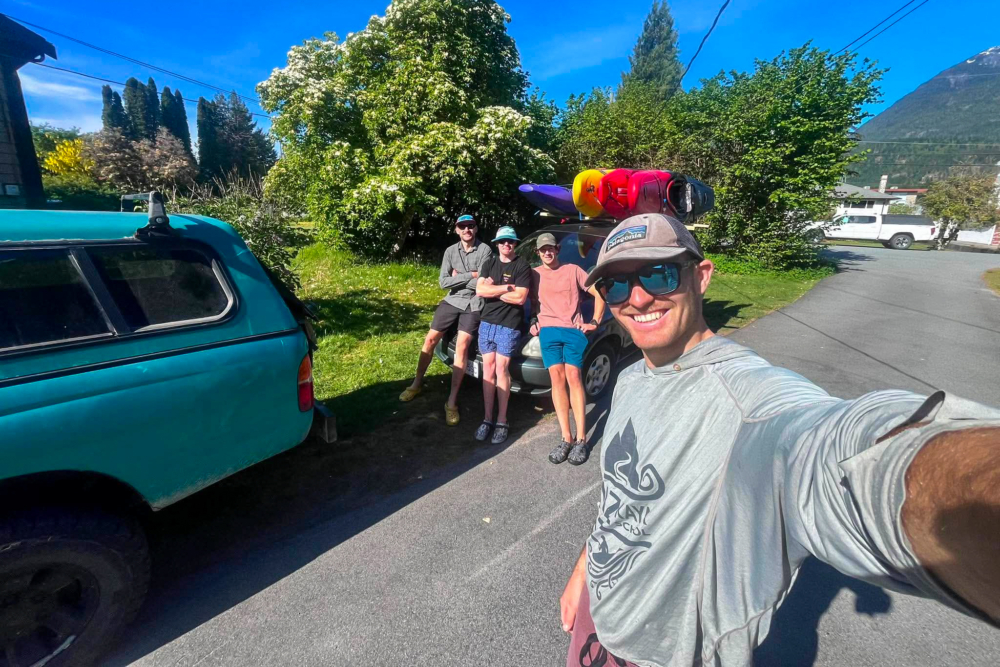
Speaking of your ADHD friends, when planning a trip overseas, it’s helpful to have a crew to split costs with, paddle with, and generally make life more fun. Travelling with three or four (or more) of your best mates will fill your vehicle nicely and help announce your presence at the put-in. Pick people with similar vibes, and chat about expectations for rivers, destinations, and lodging style ahead of time.
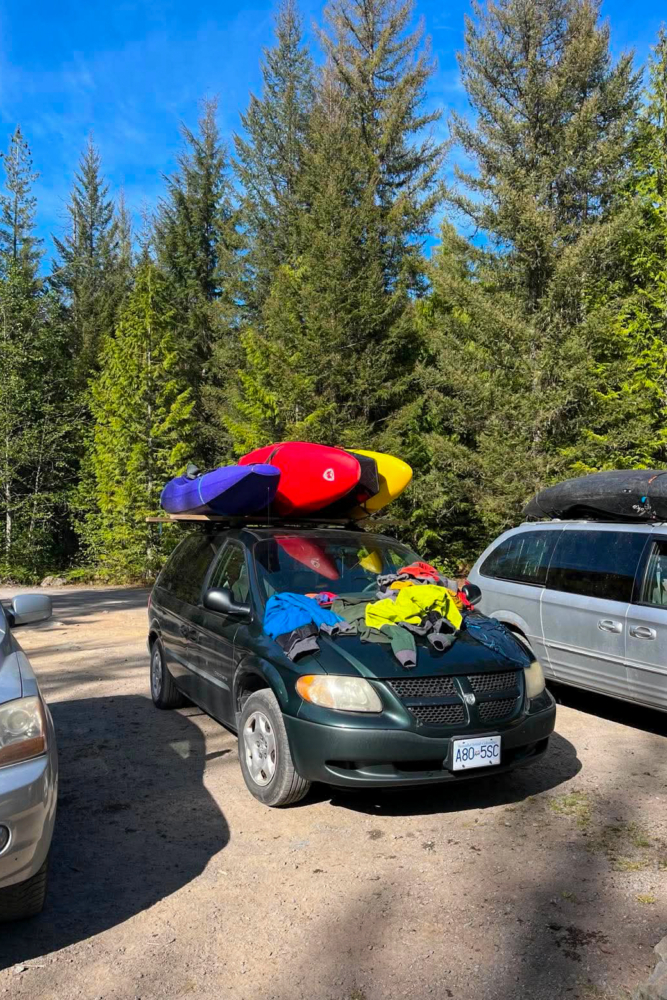
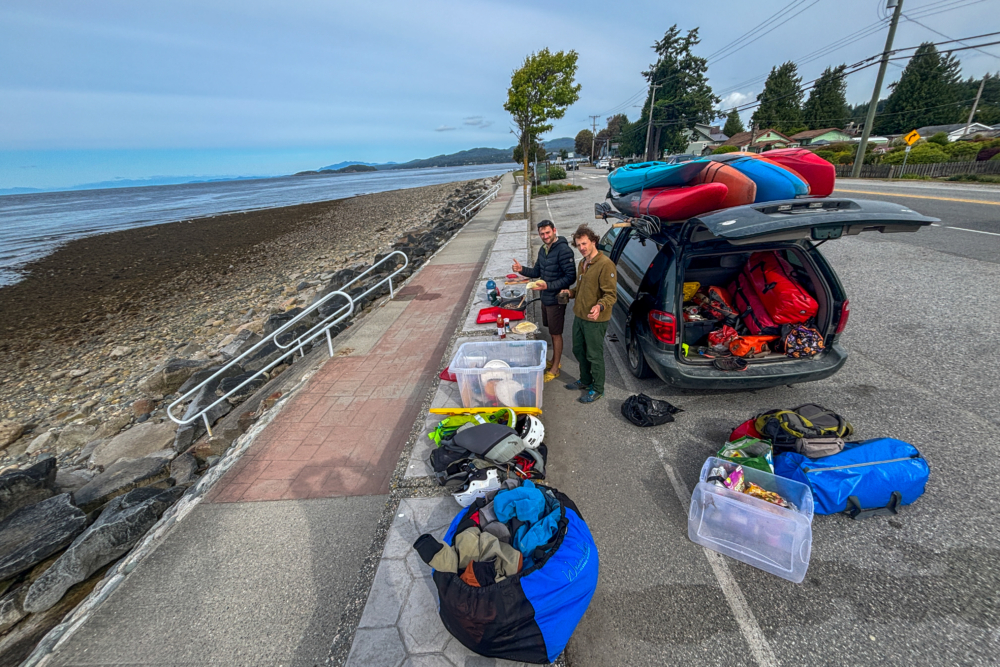
Back to vehicles: I always purchase a car that already has roof racks, or rails running the length of the roof to strap wooden planks onto. Lash them down with either some paracord or the ol’ reliable NRS cam strap. It might take a few tries to perfect your boat stack, but soon, you’ll be receiving questions from locals every day about the large colourful tupperware containers on your roof.
Wheels and boats, what’s next? Food and water, the essentials. I’m partial to filtered water or purchasing bottled water, but if you have a gut of steel go test your immune system on the river! Beans, rice, and cabbage are your friends, get to know them well and develop a healthy relationship. Just don’t forget to stock up on TP.
Why We’re Here
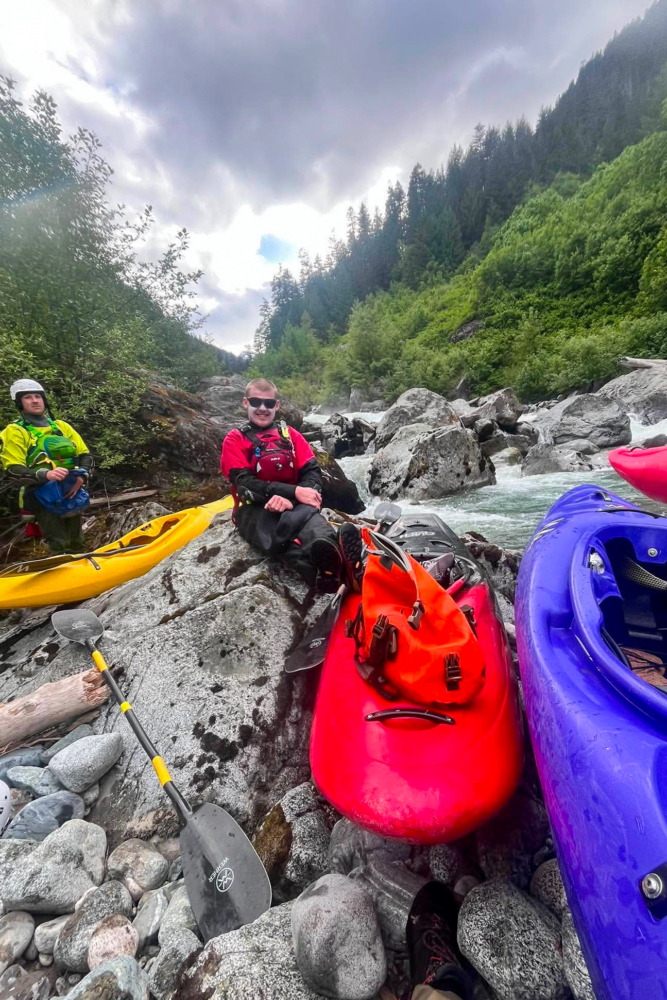
Next priority: Get on the river ASAP! By now, the crew is salty and tired from lost baggage, lack of sleep, the stress of shopping, and the rat race of purchasing a secondhand car. Once you’re on the river, it all melts away and you’re quickly reminded of why you’re here, boating!
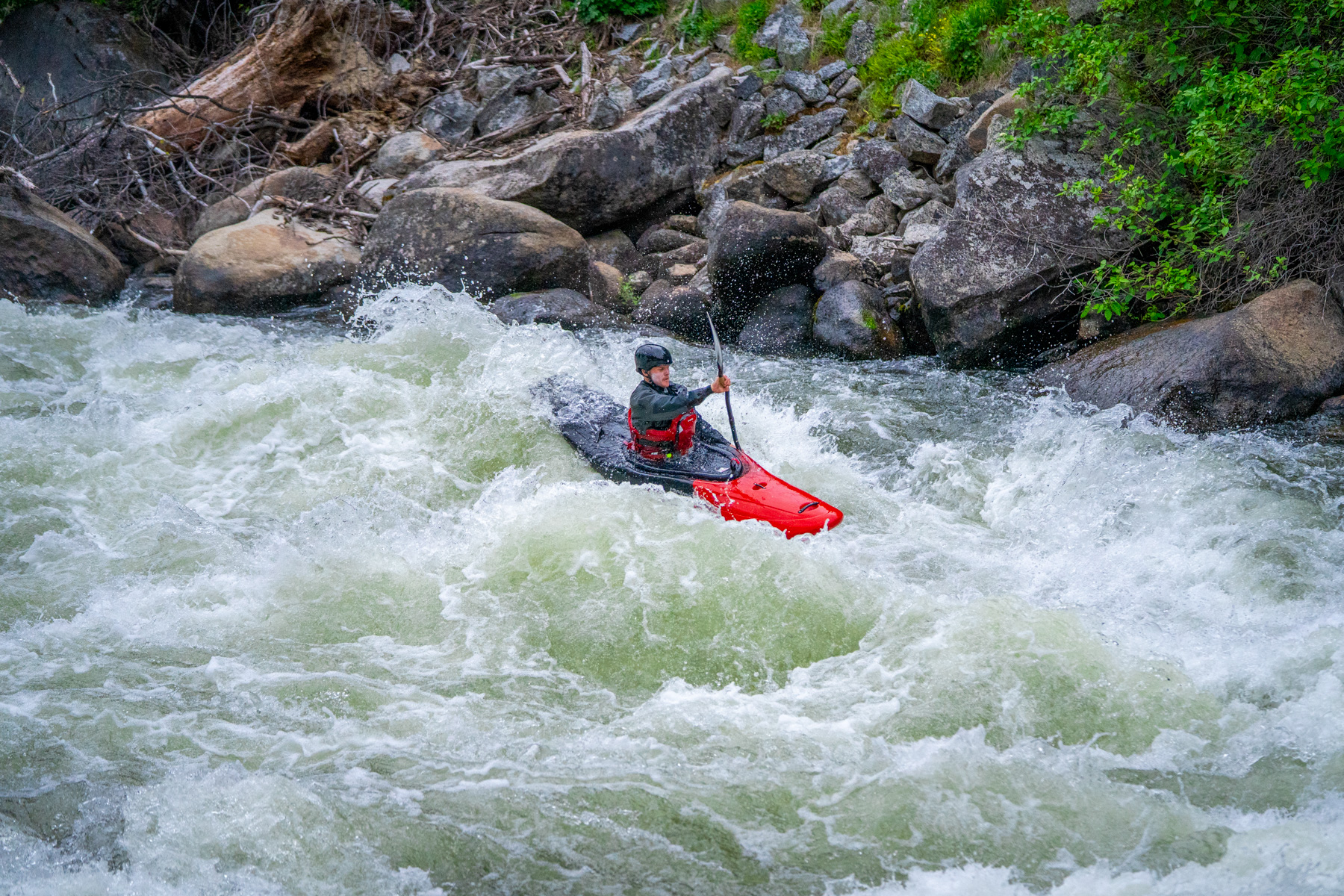
And we are here! Exploring the country and style of boating that has encouraged you to migrate across the world for a few months of the year. Get your information from online resources about the recommended runs, but the gold standard is getting “beta” from local kayakers in the scene. These guys have the most current knowledge and can be really helpful for the intricacies of portages, put-ins, and take-outs. And if you are lucky and want the quick river trips, a local will likely show you down the classics if you ask nicely.
Temperature, snow pack, rainfall, catchment size, and dam flows are information well worth staying up to date on. These factors can help you aim to get on the rivers at optimal flows (juicy medium?).
Off-Water Logisitics
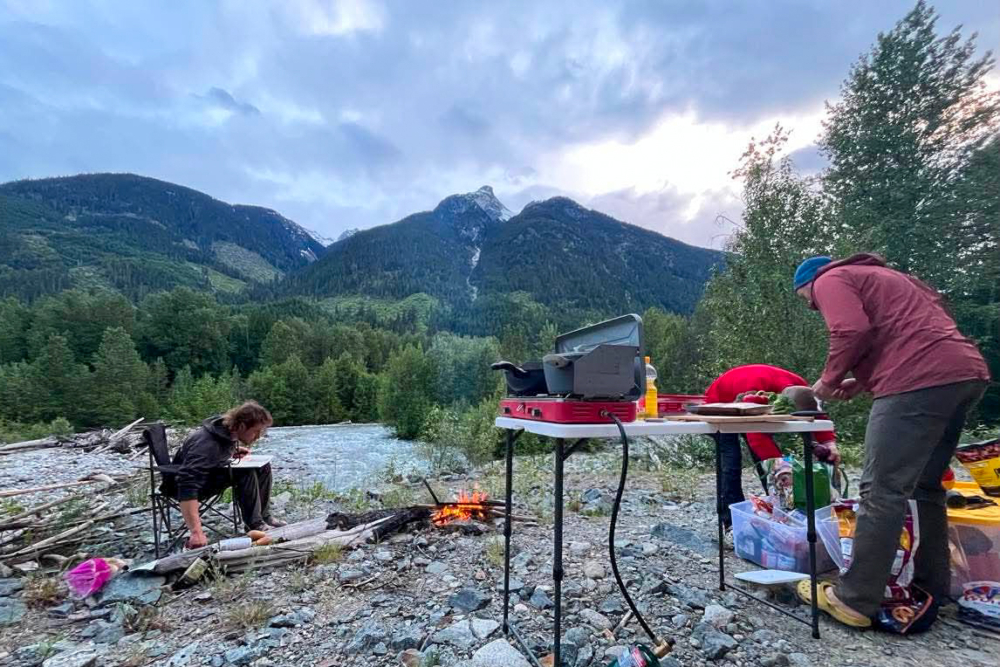
Camping really embodies the dirtbag lifestyle. There’s nothing like getting woken up by mosquitos on a Z-fold (a rather uncomfortable but indestructible mat) and crawling over to some porridge. Finding somewhere to camp every night can be an ordeal… Again, local information can go a long way! Familiarise yourself with the country’s laws on camping to avoid any hefty fines. Often rivers have dirt or gravel roads nearby with good, flat pull offs.
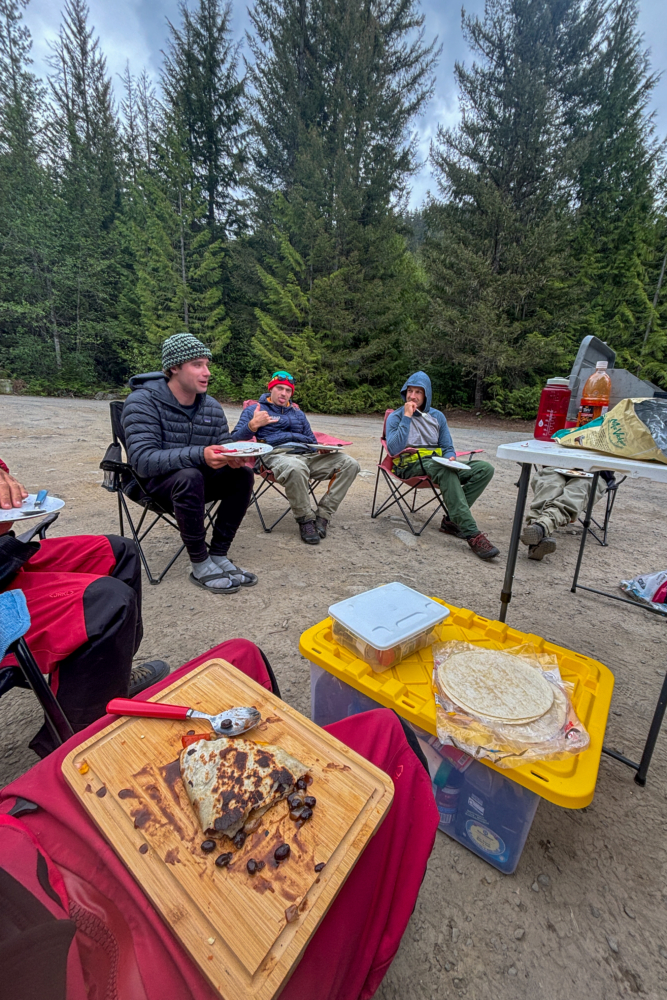
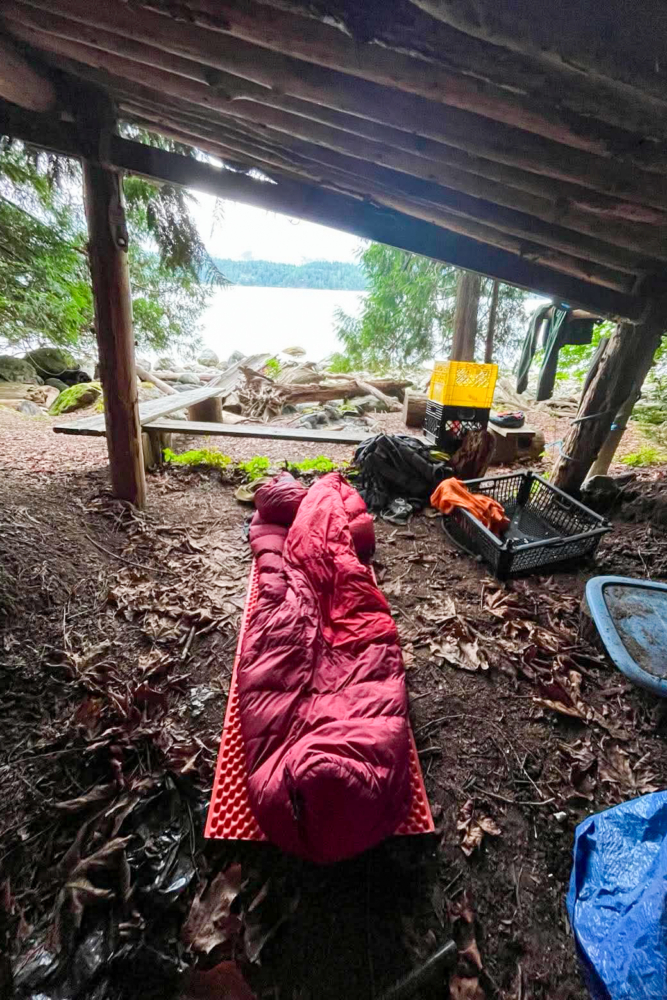
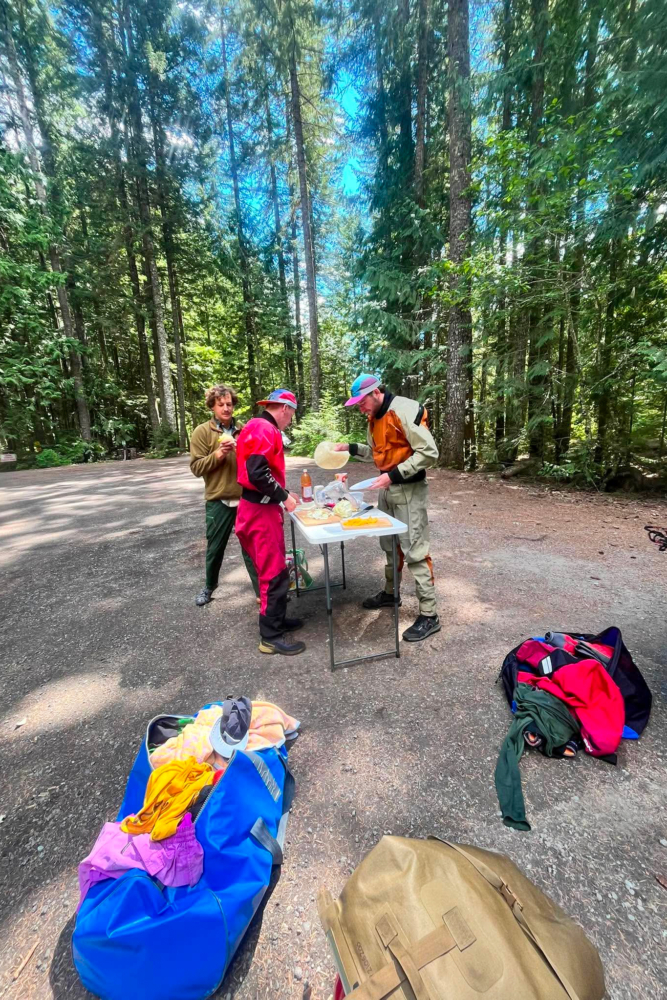
It’s really important to keep a tidy camp and to leave no trace behind when you leave. By having a stack of boats on the roof you announce to the world that you are part of the kayaking community. Help us maintain a good image and don’t leave rubbish, and crucially, BURY your toilet waste! Nothing worse than turning up at a camp with feces all over the ground. If you’re unsure about a camping spot, set up camp late and leave early.
Kayakers are a tight bunch and I can’t count the number of times I have been offered a floor to sleep on or a shower. It’s nice to bring a collection of items from back home to give to all your handy friends you’ll meet. A couple of years ago I took blocks of New Zealand chocolate to Norway; it was a lovely way to say thank you.
The Next Destination….
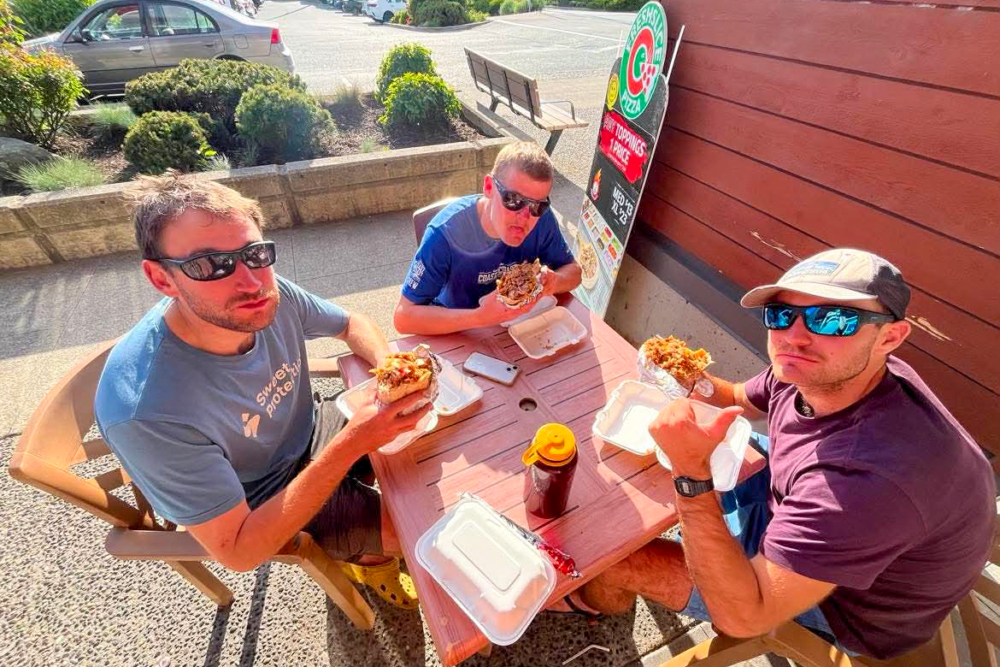
By this point, you’re deep on tour and you’ll have developed your team’s systems. You’ve got your music dialed and you’ve even discovered your favourite fast food restaurant, maybe try Chick-Fil-A? It might be time to hit the road, head to new rivers and destinations.
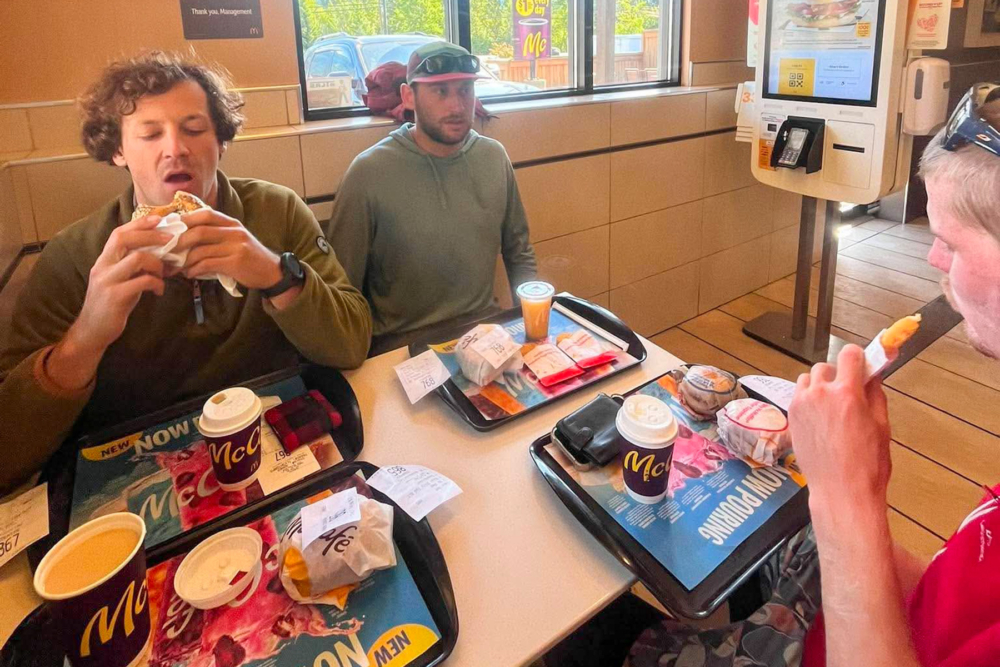
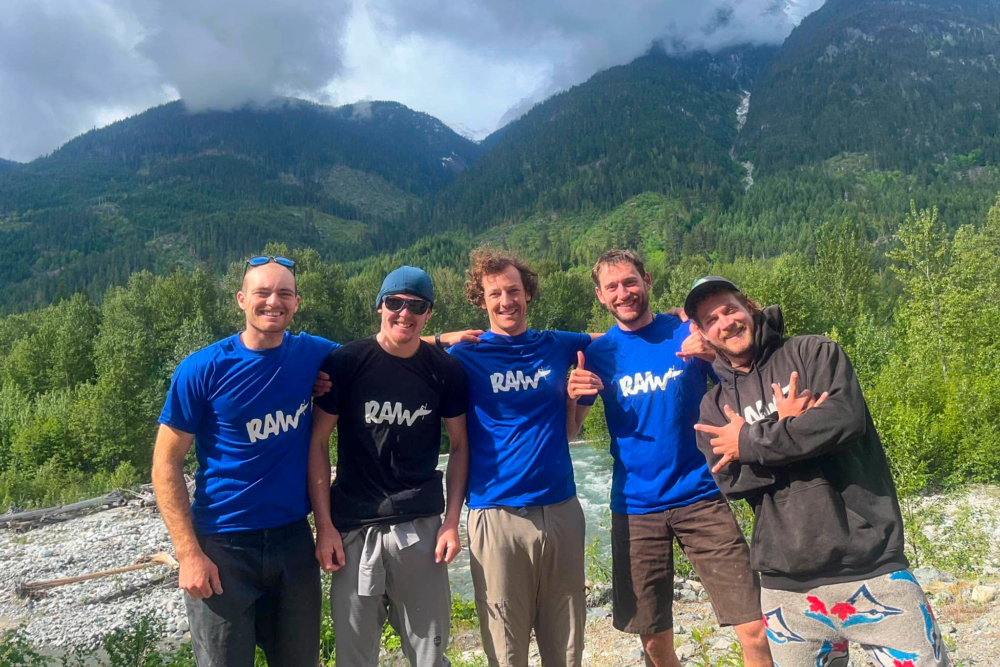
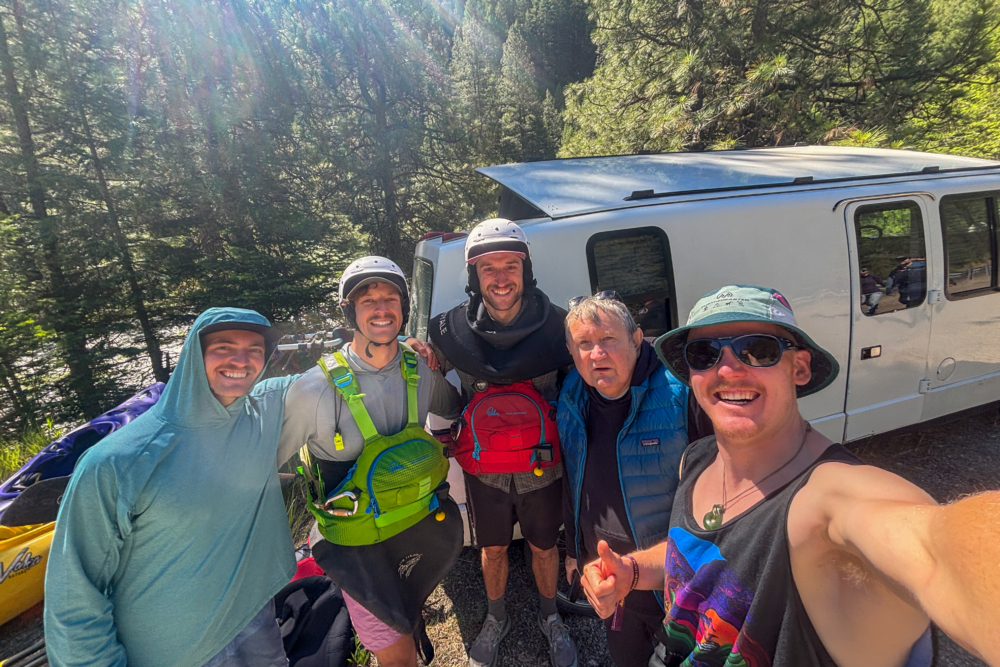
From here on out, make sure to keep the quality of living up. You’re probably in for some long drives so keep yourself busy. Rubix cubes, the daily Worldle, and checking if the boats are still on the roof are great options. It’s always worth exploring beyond the classic runs the area is known for, too.
Last Things
Don’t forget to swing into the local kayak shop to say hi. It’s a good place to find people to boat with and learn about some of the local legends. Plus you can stock up on any gear you forgot, or that might be still on its own adventure. Thanks airline.
Enjoy the rest of your trip and prepare yourself for the return flight home, clean your clothes, shave your face and get ready to battle it out to get your boat back on the plane. Hoorah!!
***
Guest contributor Zack Stones is an outdoor instructor that works in the south island of Aotearoa, New Zealand. He works the NZ summer before embarking on an overseas trip for the NZ winter. In the last four years he has explored some of the world’s premier paddling destinations, including California, Norway, Canada, and India. Zack would describe his boating style as conservative and thorough, with an emphasis on “I’d rather spend an extra hour on the river than in the car park.” He is currently studying paramedicine and day dreaming about his last trip to Canada and the U.S..