There are some paddling trips where the boat is simply the thing that gets you from A to B. Then there are trips where the right boat is the reason someone can be there in the first place. Our expedition into Norway’s Sognefjord was very much the second kind.
Seventeen people headed onto the water together, including wheelchair users, amputees and autistic paddlers. We were all different, so our boats needed to be different too. And that is where the real magic started.
One Fjord. One Group. Three Types of Craft.
The original plan was simple enough: start in Luster and paddle all the way to Bergen, following one of the longest fjord systems in the world. But when we went out to scout the area, that plan changed quite quickly.
Luster was endlessly beautiful. Every corner seemed to reveal another stretch of water, another mountain, another waterfall or another place where you simply wanted to stop and take it in. We realised it would have been a real waste to put our heads down and just munch the miles. The expedition became less about getting somewhere and more about making the most of where we already were.
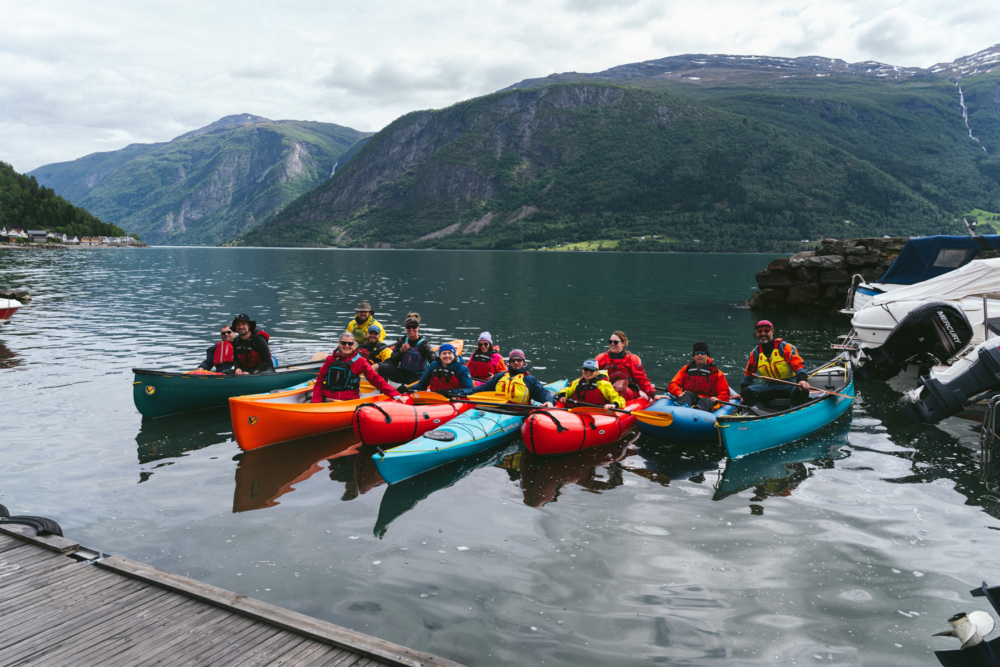
The local people helped make that decision too. They were incredibly kind, welcoming and helpful, and that warmth became part of the experience. By the end of the scouting trip, staying around Luster and really exploring the fjord felt like the obvious choice.
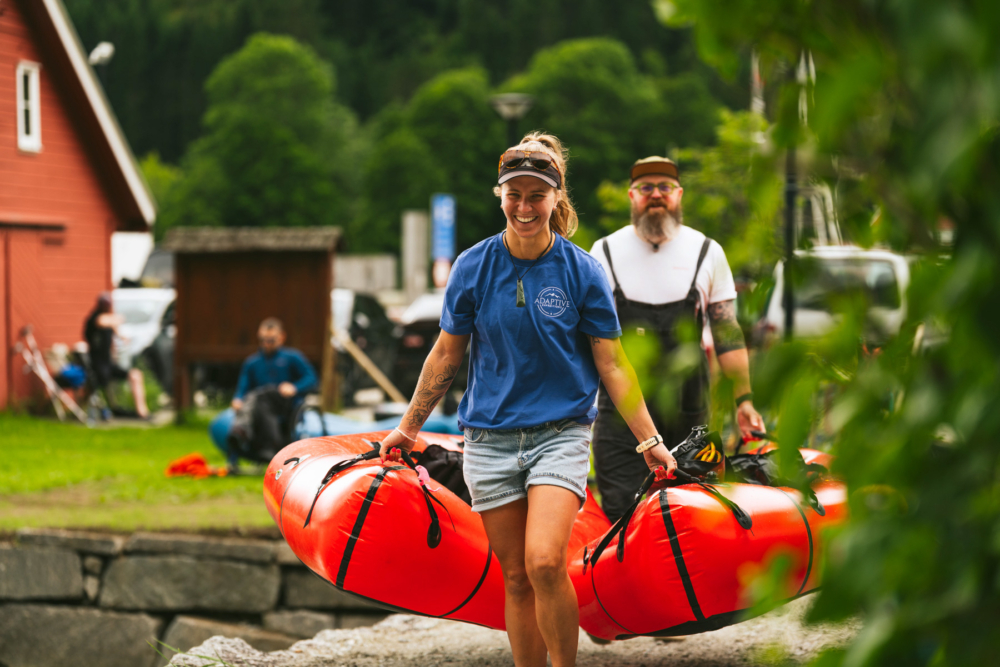
Through the Pyranha Mouldings team, we had access to fantastic boats from Venture Canoes & Kayaks, P&H Sea Kayaks and some amazing NRS packrafts. From across the water, our little fleet probably looked slightly unusual. Instead of a line of identical boats, it was a collection of crafts—a mix of open canoes, sea kayaks and packrafts—chosen because they worked for the people paddling them. And that mattered.
The Open Canoes: Workhorses
The open canoes became the real workhorses of the expedition. They were brilliant for carrying kit, moving equipment and giving us the flexibility that a mixed group needs.
They were also especially useful for paddlers who were feeling nervous or less confident on the water. Because of the space available, we could create a whole range of seating arrangements to suit different people and different needs. That meant we could think about comfort, stability and confidence rather than expecting everyone to sit or paddle in exactly the same way.
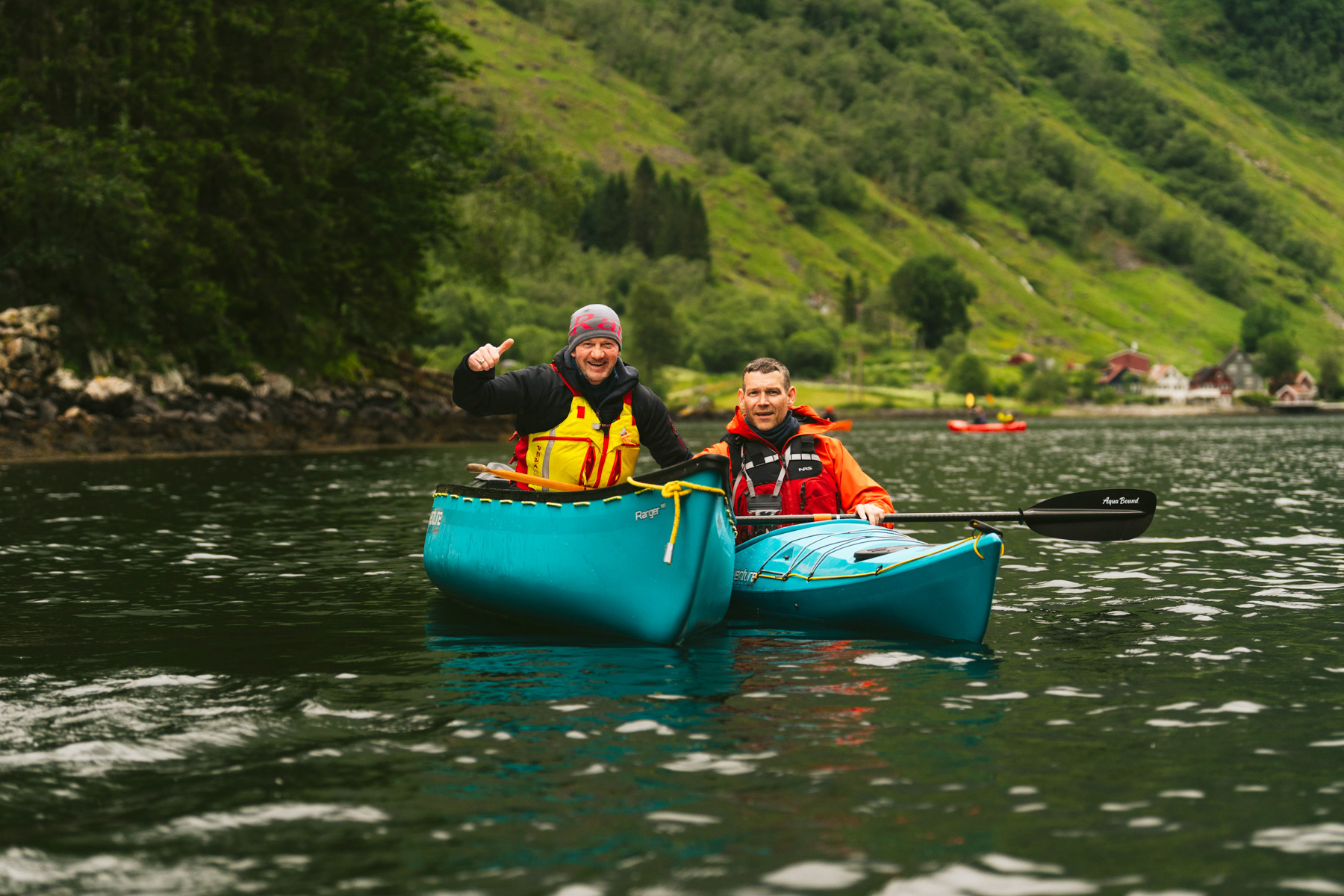
For some people, that flexibility made all the difference. The canoe gave them a calmer introduction to the water and allowed us to adapt the boat to the individual and their needs rather than asking the individual to adapt to the boat.
The P&H Sea Kayaks: Getting Back Into a Solid Boat
The sea kayaks became especially important for guests who wanted to get back into a more traditional, solid kayak after injury or a life-changing incident.
One guest in particular had not been back in a kayak since a serious biking incident. Watching that confidence return was one of those moments that stayed with everyone. When it finally sank in that kayaking was achievable again, the smiles were pretty much unanimous.
What mattered was that we did not rush that moment. Time spent in the other craft first helped build confidence, familiarity and trust. By the time the move to the sea kayak happened, it felt like a natural progression rather than a leap into the unknown.
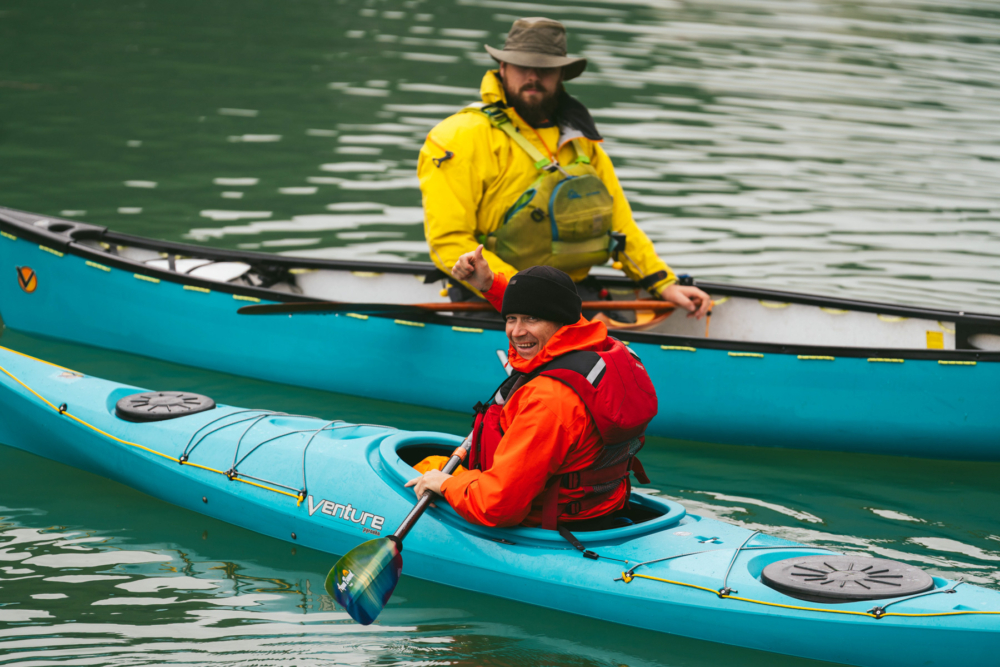
We also took one of the biggest worries out of the equation early on: getting wet in a very cold Norwegian fjord. A little pre-swim helped remove some of that fear, and once that concern had gone, the focus shifted back onto paddling, movement and enjoyment.
The Packraft Advantage
The NRS packrafts were probably one of the biggest discoveries of the whole expedition. They were light and forgiving, easy to move and position and, most importantly, they created options. For some of our paddlers with limited mobility, getting into a conventional kayak could have created an unnecessary barrier. The packraft changed that.
A wheelchair could remain safely on the shoreline while the paddler transferred into a light, stable craft and headed out with everyone else. The freedom of that moment is difficult to overstate.
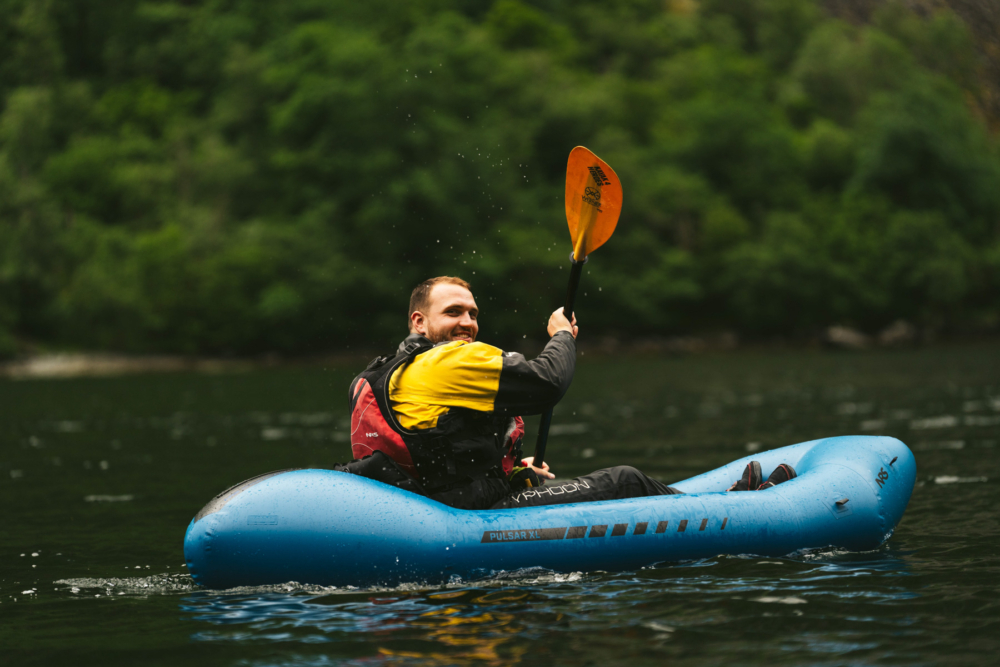
On land, mobility can influence almost everything: steps, distances, surfaces, transfers and access. But once someone was safely sitting in a boat on the fjord, many of those differences suddenly mattered a lot less. With the packrafts, the water became the leveller.
The Right Boat for the Right Person
I think we spend far too much time telling people what the ‘best’ boat or craft will be for them, especially when someone has a significant disability.
As coaches, it is easy to look at somebody, form an opinion and say, ‘this will suit you best’. But that is still our opinion. Until someone has actually had the chance to try different craft, feel how they move and work out what feels right for them, we really do not know.
That is why day one of the expedition is deliberately all about trying, playing and discovering. We use it to explore different boats, different seating arrangements and different ways of getting comfortable on the water. There is no pressure to perform and no expectation that someone has to get it right the first time. It is about confidence, curiosity and working things out together in a super-safe environment.
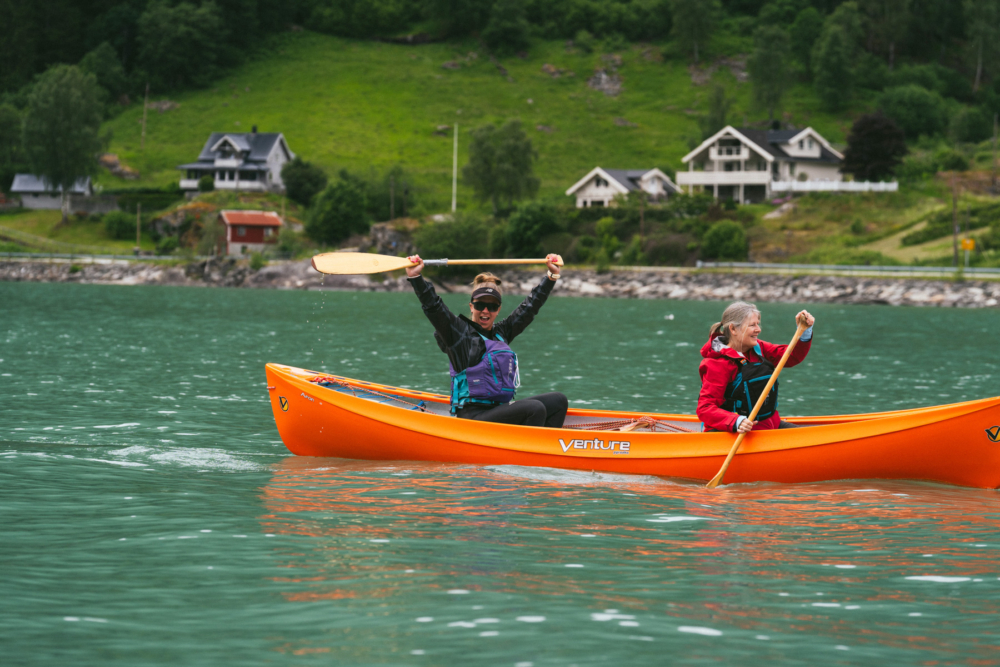
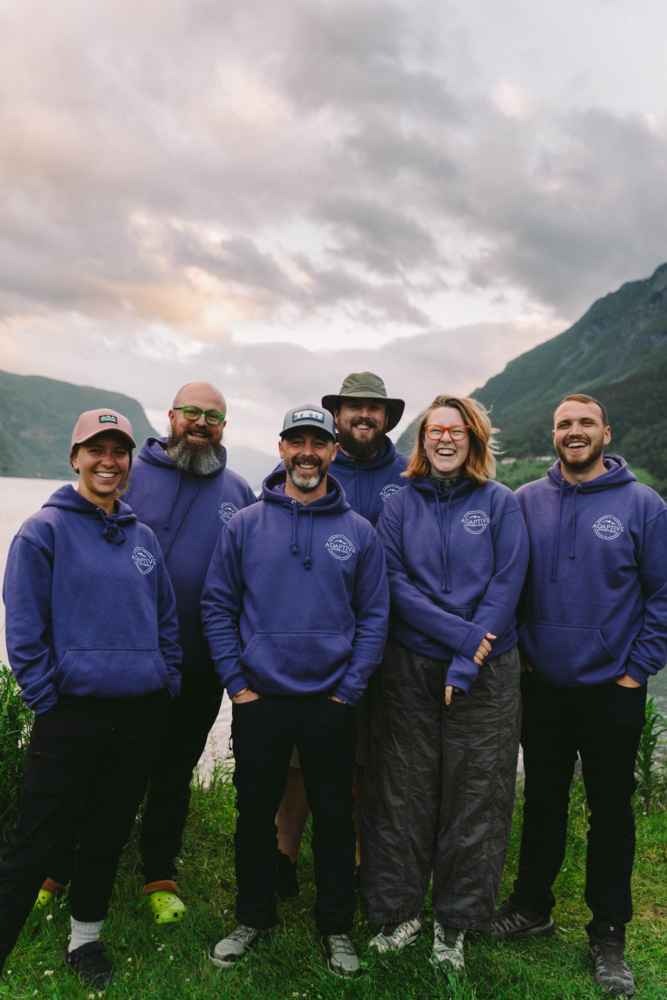
People can try a canoe, move into a packraft, sit differently, change support, swap boats and simply see what feels right. Sometimes the answer is obvious straight away. Sometimes it takes a few goes. It probably helps that this whole process takes place within very easy reach of a coffee shop serving the most amazing fika pastries.
It is a little like a paddling version of the Sorting Hat from Harry Potter—except you get to argue with the hat, try another boat and change your mind. And it is colder. A lot colder.
Disability should not automatically determine what someone paddles. The person should. Our job is to provide the equipment, support and opportunity for them to discover what works for themselves.
The People Behind the Boats
The kit mattered, but the people mattered more. Neive and Jack were two of the guests who helped capture what the week was really about.
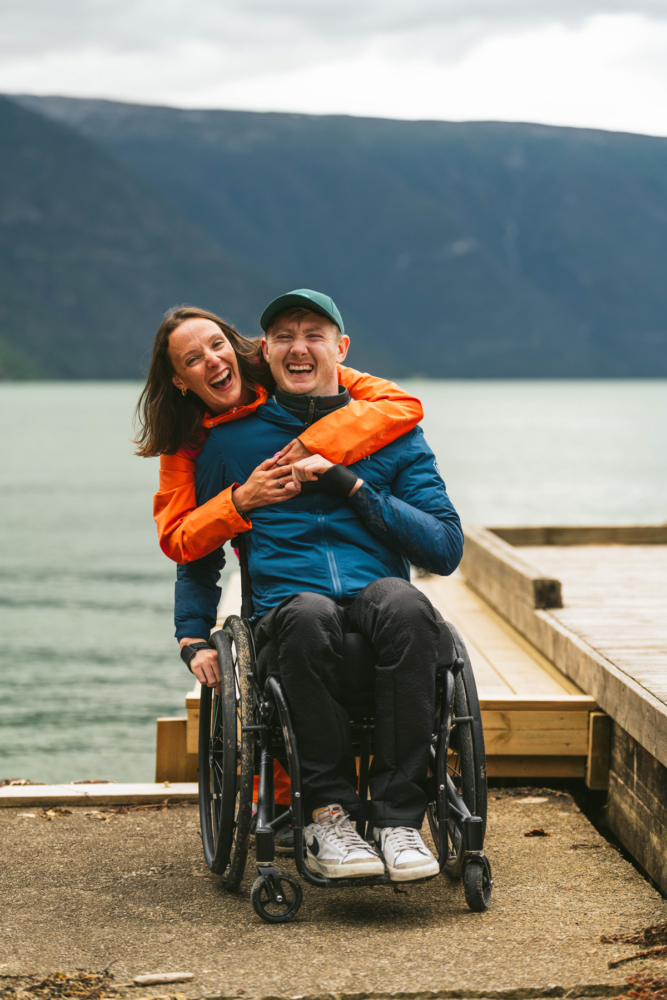
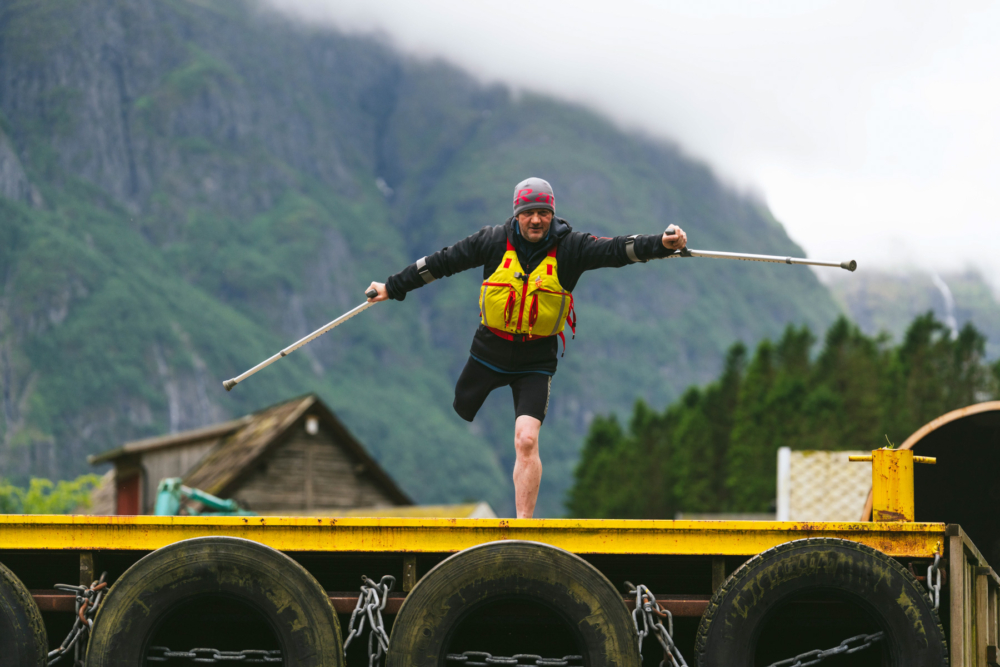
What stood out was not a fixation on distance or performance, but the freedom to try things, build confidence and be part of the group on the same terms as everyone else. The week gave people room to challenge themselves while still feeling supported, and to discover what they enjoyed rather than being told what they should enjoy.
There was laughter, nerves, experimentation and moments where confidence visibly grew as the days went on. Very quickly, the focus moved away from disability and onto the experience itself: the boats, the scenery, the cold water, the next paddle and what everyone wanted to try next.
That was exactly what we wanted. We did not want people to come to Norway and simply be looked after; we wanted them to come and be paddlers.
Nobody Was a Passenger
One of my strongest memories from Norway is looking along the group while we were out on the water. Dotting the fjord were sea kayaks, open canoes and packrafts, filled with people from different backgrounds and life experiences. They had different abilities and different ways of paddling, but everyone moved together.
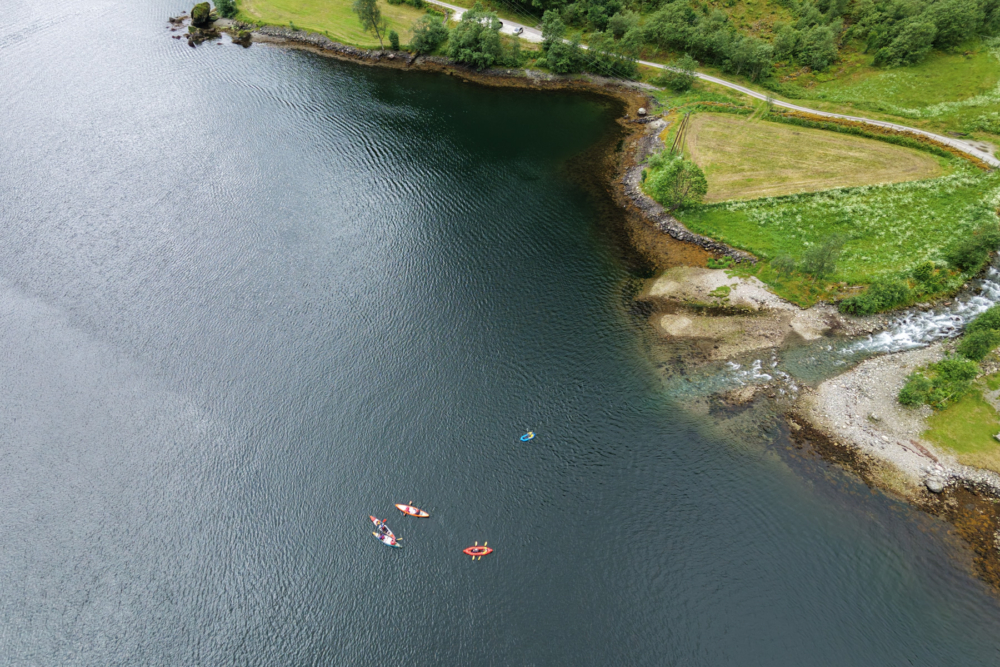
Nobody was simply being taken along; nobody was watching from the shore. Nobody was there as an afterthought. Everyone was paddling. That, to me, is what inclusive adventure should look like. Not creating a smaller version of the activity, not lowering expectation and not deciding in advance what someone can or cannot do.
Instead, it is about finding the equipment and support that gives someone the best opportunity to take part.
Some Days We Paddled Hard. Some Days We Did Not.
Luster was close to perfect for us, with some amazing access points that made life easier with a mixed group and a mixed fleet. Once we were on the water, though, it was the scale of the place that took over.
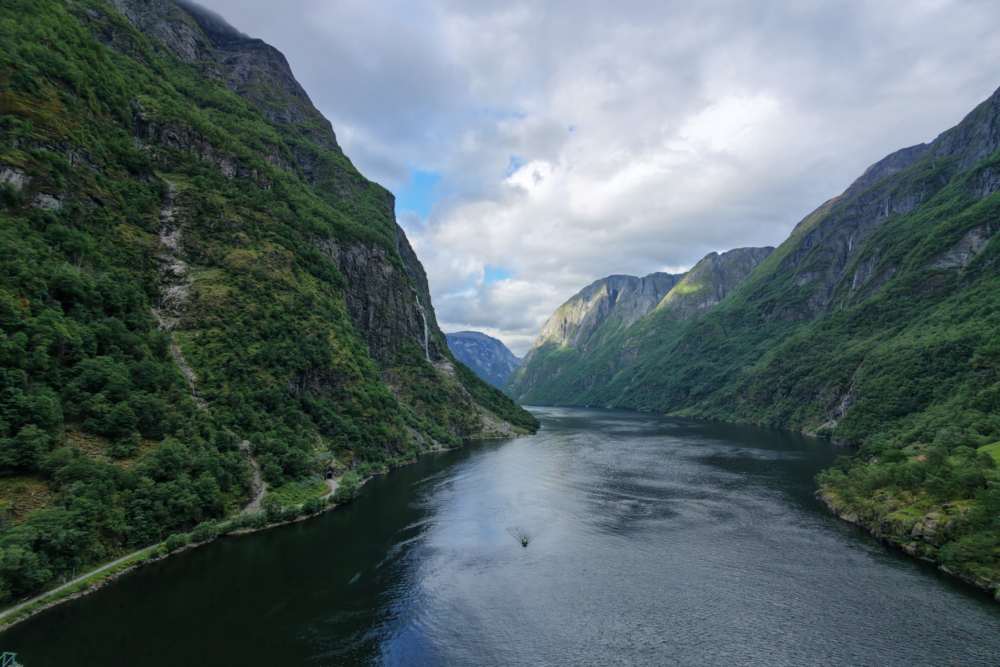
The fjord felt vast, with towering cliffs rising more than 1,500 feet above us. The scenery was majestic, and spending a week living right at the end of the fjord felt genuinely special.
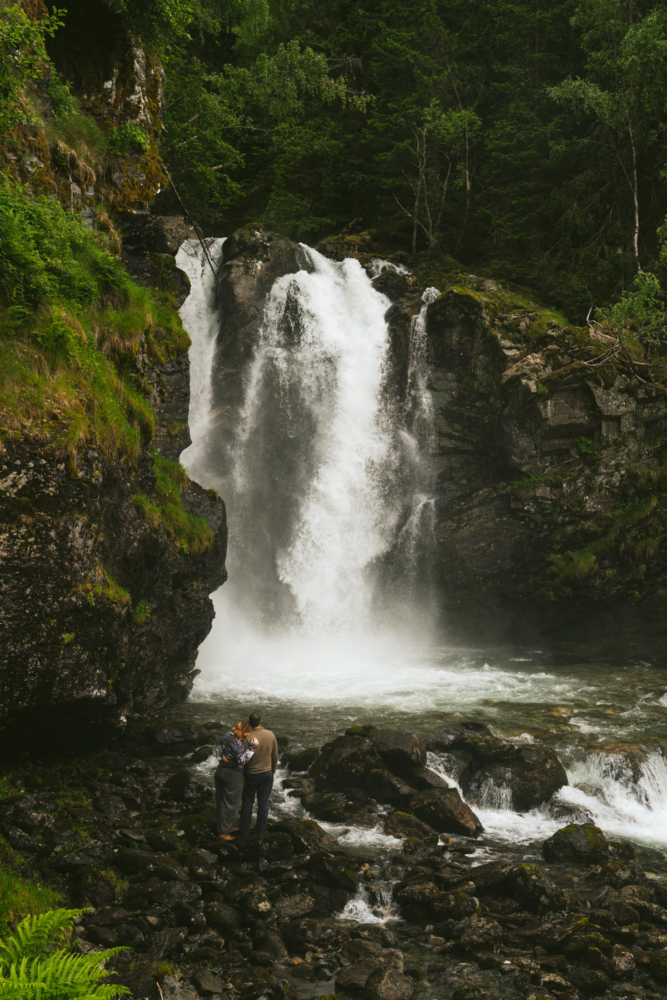
Distances almost became irrelevant. Once you were paddling, it was easy to become completely lost in a land of giants, waterfalls and boulder gardens, with something new appearing around every corner.
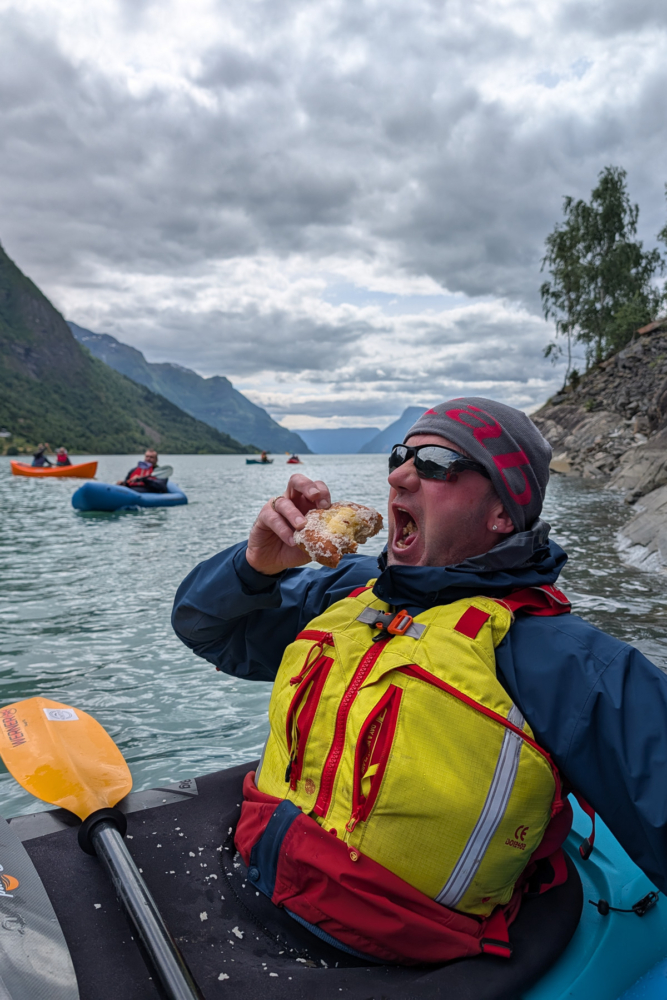
Some of the most memorable moments were not about reaching a particular point or covering a set number of miles. They were simply about looking around the group and seeing the faces people were pulling as they tried to comprehend the sheer scale of the environment they were in.
Our success was not measured by how many kilometres appeared on a GPS. It was measured by people being involved: somebody trying a different boat, feeling more confident than they had the day before, realising they could paddle farther than they expected, and everybody getting back onto the water again.
Why Good Equipment Matters
Good equipment does not create inclusion on its own. You still need planning and people who are prepared to adapt. You need patience. You need to listen. Most importantly, you need a team who understands that different paddlers may need different things. But the right equipment makes all of that possible.
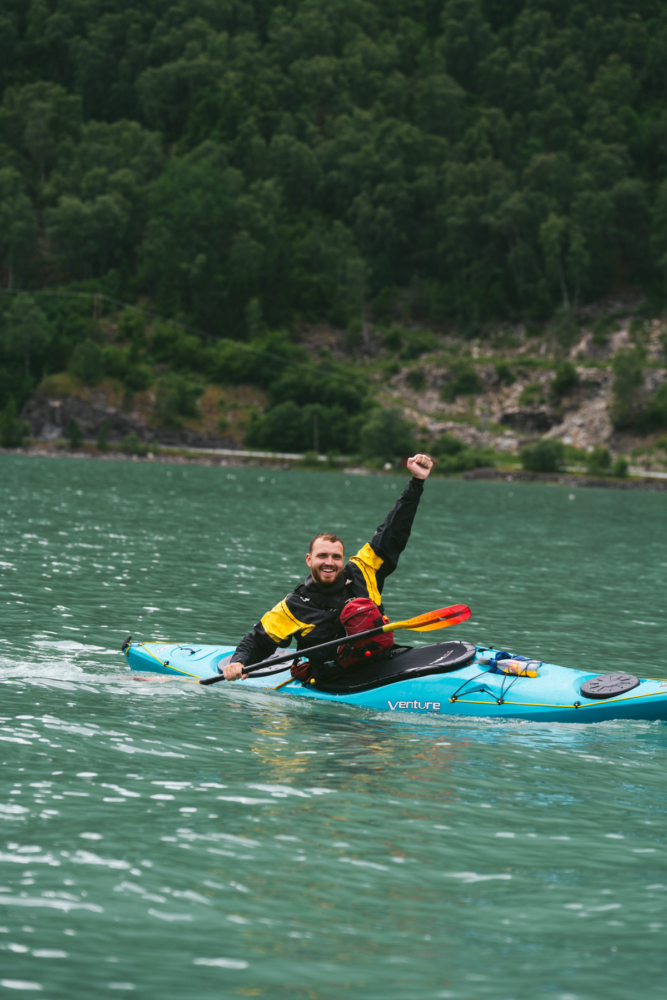
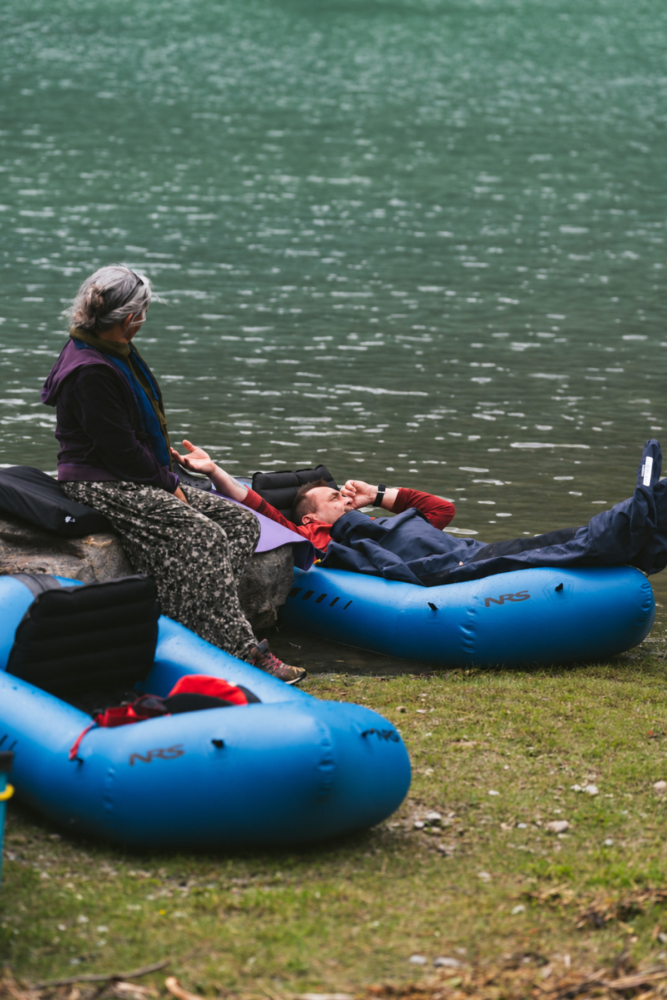
The kit we used in Norway did not matter because it looked good in photographs. It mattered because it was being used properly: carried over beaches, loaded and unloaded, moved between paddlers, paddled for hours, dragged back up shorelines and used again the following morning.
It became part of the expedition rather than simply equipment for it.
The Water Does Not Care
The fjord did not care who used a wheelchair. It did not care who was an amputee or who was autistic. It did not care which paddler needed a little more time getting into their boat. Once we launched, we were simply a group of paddlers. That is one of the reasons paddlesports can be so powerful.
With the right support and the right boat underneath someone, the water can remove barriers that feel enormous on land. For five days in Norway, we watched that happen again and again. Every time I looked along that slightly mismatched fleet of canoes, kayaks and packrafts, it felt completely right.
Inclusion should not mean everyone doing the same thing. It should mean everyone having the opportunity to be part of the same adventure.
***
Adaptive Expeditions is for all, not just those with disabilities. A huge thank you must go to Pyranha Mouldings, Venture Canoes & Kayaks, P&H Sea Kayaks and NRS for helping us put the right equipment underneath the right people.
Alongside his professional work supporting children’s social care services, Guest Contributor Nick Morrall is a founder of Adaptive Expeditions, creating inclusive adventures and helping to break down barriers to participation in the outdoors.
All expedition photos taken by Jack Redwood, Nick Morrall & Luke Gaskill.
Editor’s note: This expedition was led by Nick Morrall & Luke Gaskill with amazing and unforgettable support from the best team. For enquiries about existing and bespoke trips, please reach out to Nick at expore@adaptiveexpeditions.co.uk | +44 07847883914