To paraphrase the 2010s kids’ show Phineas and Ferb: ‘There are 104 days of summer vacation and school comes along just to end it, so the annual problem for our generation is finding a good way to spend it. Like maybe… landscaping bushes, or clerking a law firm, or climbing up the corporate ladder, discovering new ways to think about science– or, if you’re really stoked, “giving a monkey a shower.”
Each academic year around mid-April, there’s an anxious thrum that overtakes college campuses as professors, peers, and parents alike ask, “so, whatcha doin’ this summer?” Words like ‘summer classes’ ‘labs’ and ‘internship’ swirl as professors and TA’s collect their final undergrad researchers, and LinkedIn posts fill our email inboxes. This fall, as we looked at our options for summer employment (like the overanxious students we are), we thought long and hard about summers past and what we wanted to do.
We’d worked as summer camp counselors, conservation interns, and sea kayak guides, each job presenting new challenges and lessons, but we wanted to think bigger. When we sat down and drew out our messy word cloud of things that taught us the most, we realized our best learning never came from cubicles or conference rooms. It came from the water.
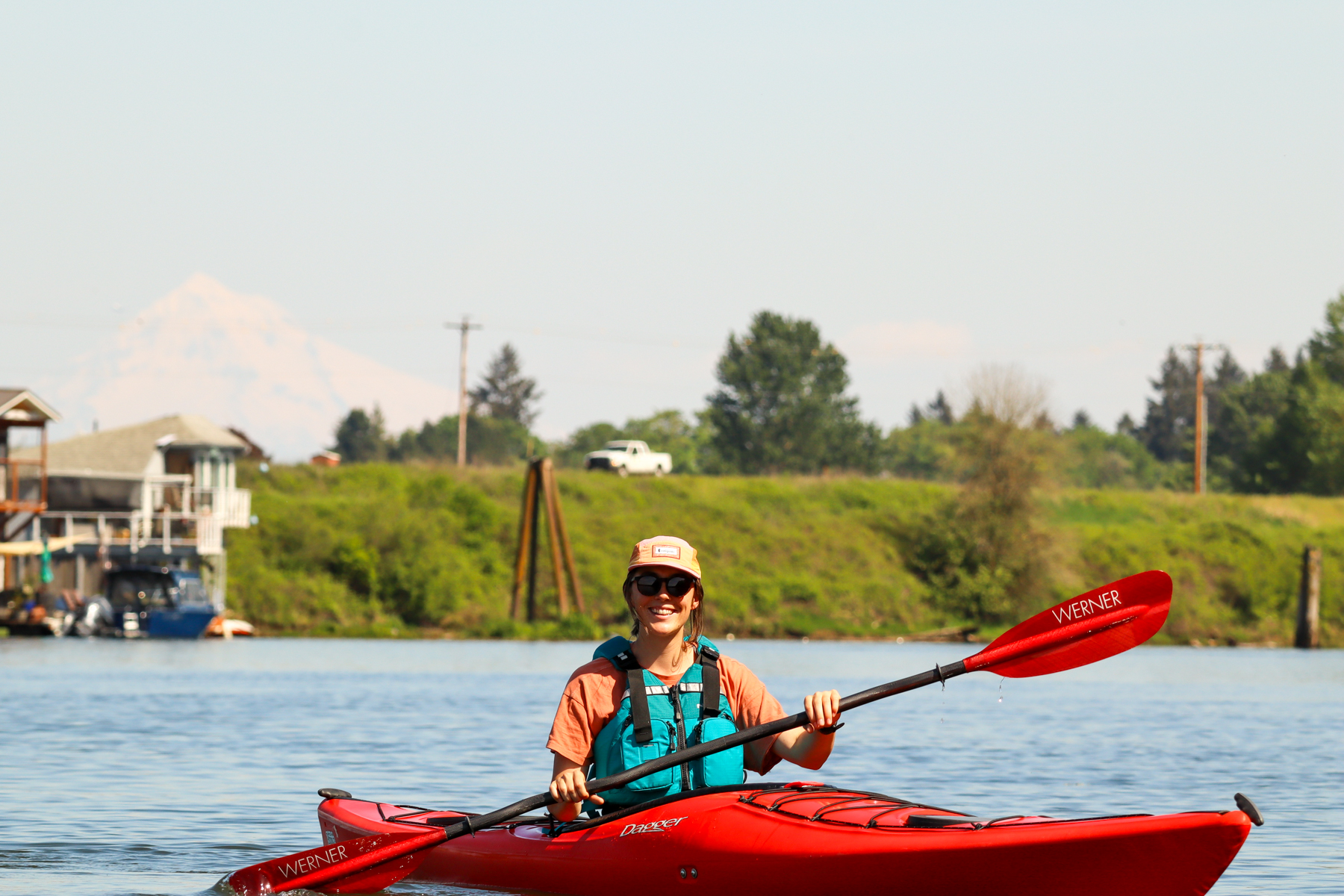
We knew we wanted to paddle, but we didn’t exactly know where, or why. While working as sea kayaking guides in Alaska’s Prince William Sound last summer season, we became obsessed with harebrained schemes of through-paddling the Columbia River. We knew that would be an amazing trip, but we wanted a way to engage our geeky Reed College brains. After sitting with the idea for a couple months, we were sipping coffee at a cafe during our study abroad in Northern Mexico when we cracked the code.
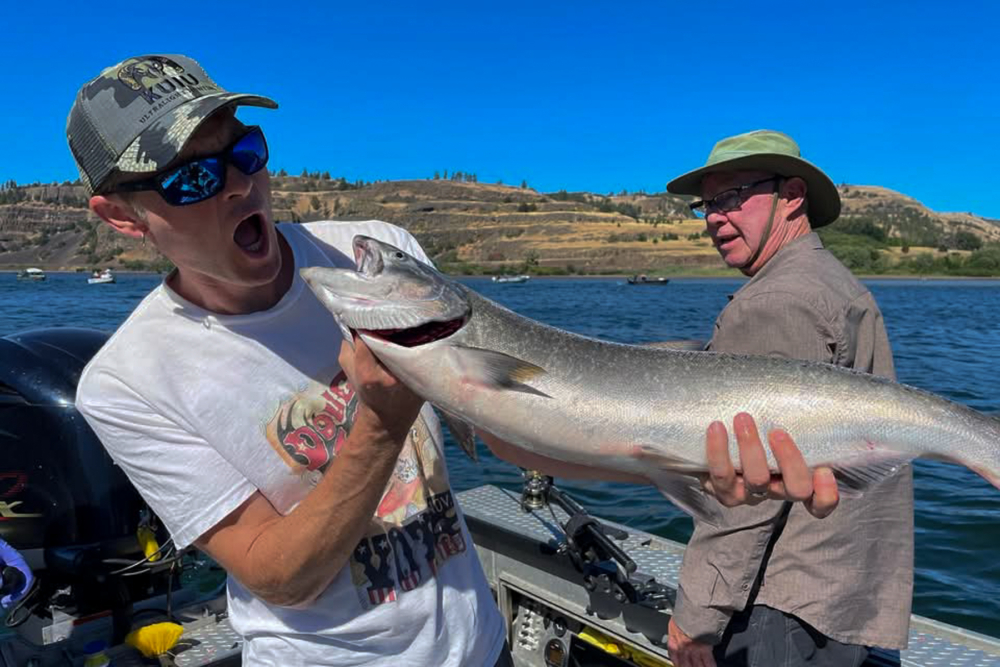
“Hey, wouldn’t it, wouldn’t it be funny if we, if we paddled upriver! Like, like the salmon, get it, because like salmon?” What started in jest soon became the base of our plan. We’d seen salmon runs before in Alaska, coastal waters churning with hundreds of thousands of strawberry red fish with big beaked snouts. Watching them fight, charge, and writhe upstream, we came to understand their immense importance to the cultures, communities, and ecosystems around them. So we thought – what a role model!
It’s been six months since the idea struck us, and we are finally in sight of our launch day. This summer, with support from NRS and Reed College, we will be paddling from Astoria, OR to Lewiston, ID along the Columbia and Snake Rivers. We’ll be tracing the migration of the Snake River Summer Chinook Salmon, also known as the June Hog, an endangered regional hero. Definitely our regional hero. And by now, you may be wondering who we are:
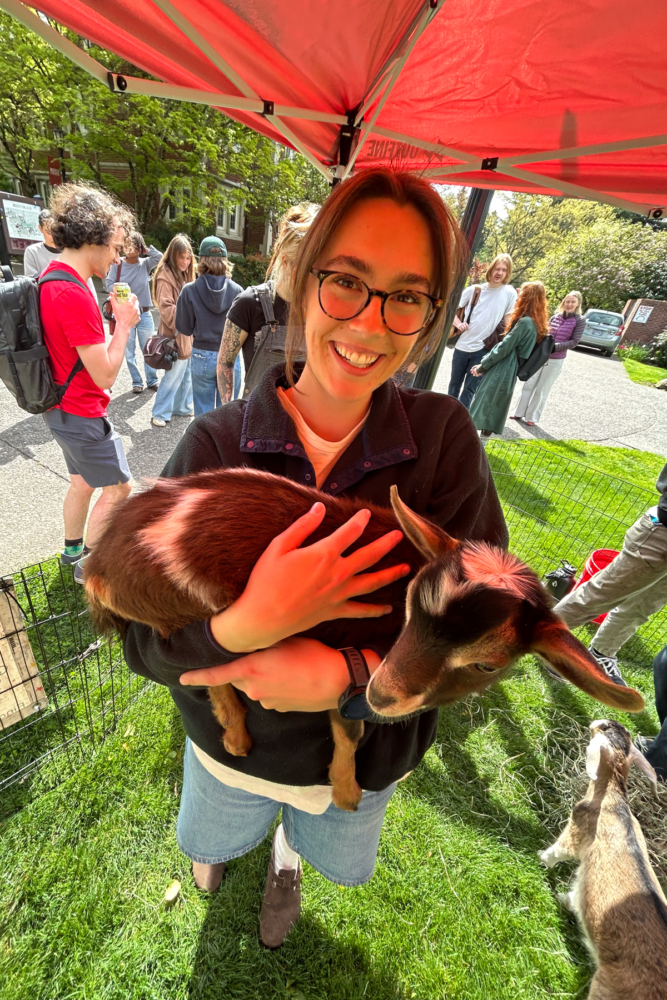
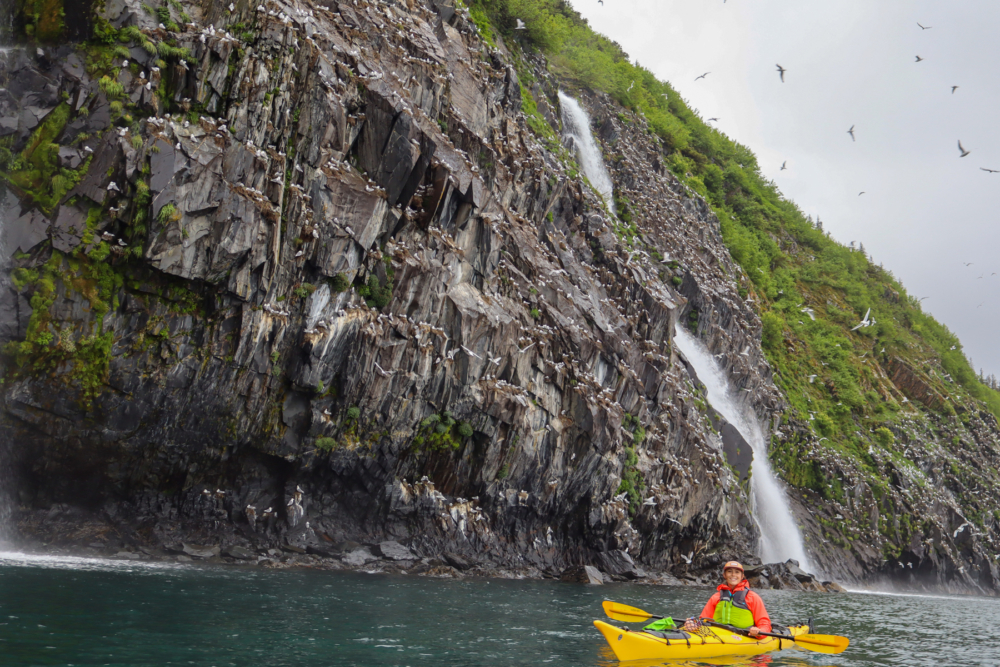
My name is Caroline Menten, and I am an English literature major with a minor in environmental humanities. I’ve worked two summers in Alaska, one as a camp counselor in the Kenai Peninsula, and the other as a Sea Kayak Guide in Prince William Sound.
During my time up north, I got to witness some incredible salmon runs. I also fell in love with sea kayaking. It offers such wonderful ways to be outside, move my body, and experience altogether different things than I have before. I am also a mega dork, and interested in language and the stories we tell.
As an English major, everyone wonders what I’ll be doing if not reading. While I will have my nose in a book this summer, my research will surround questions of language, examining the ways language shapes our everyday interactions, specifically with the salmon. How does referring to the Snake River Summer Chinook salmon as “June Hogs” influence people’s perceptions and actions toward them? What does it mean to name them after their birth and death place? And lastly, why are they so fascinated with these runners? (Get it, like salmon run).
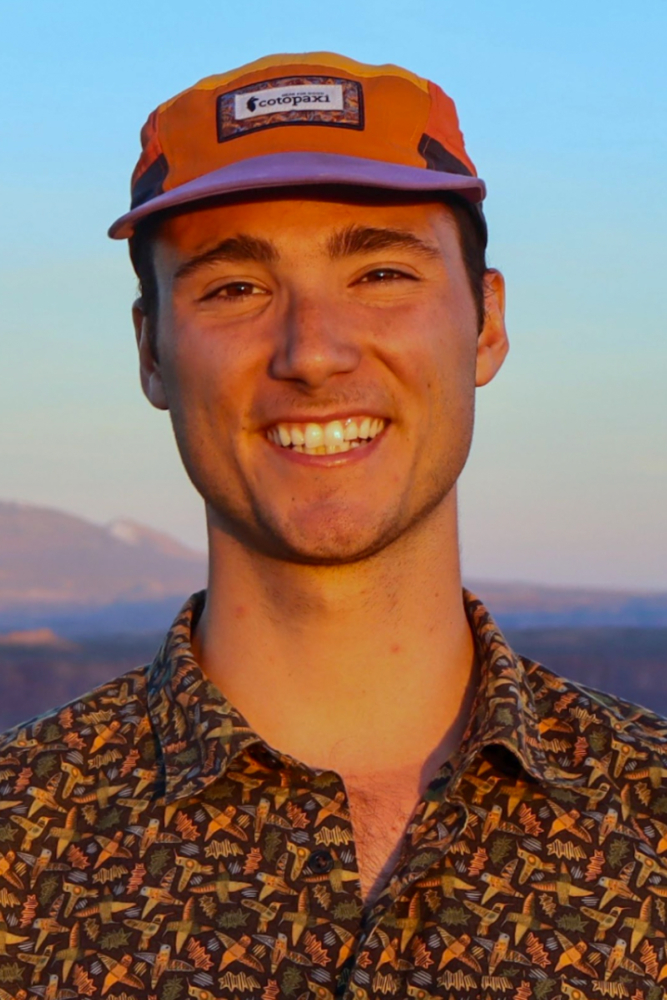
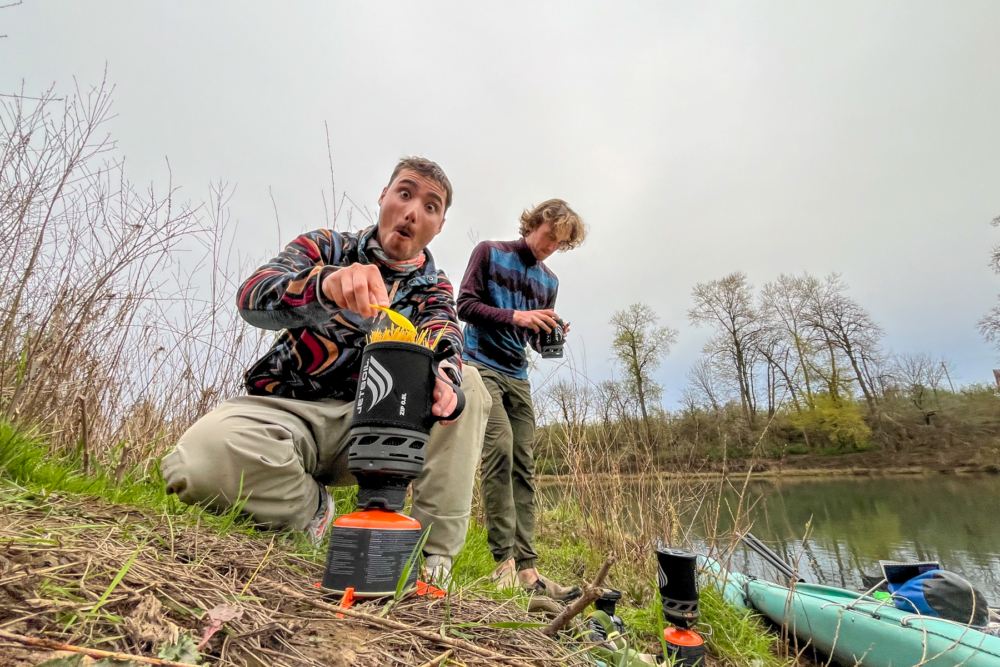
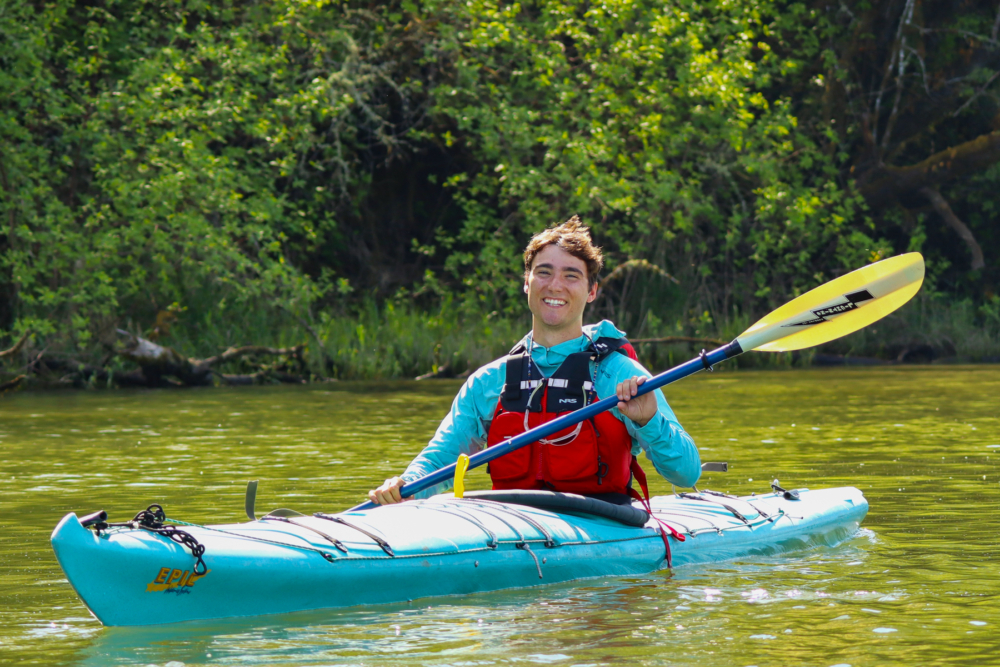
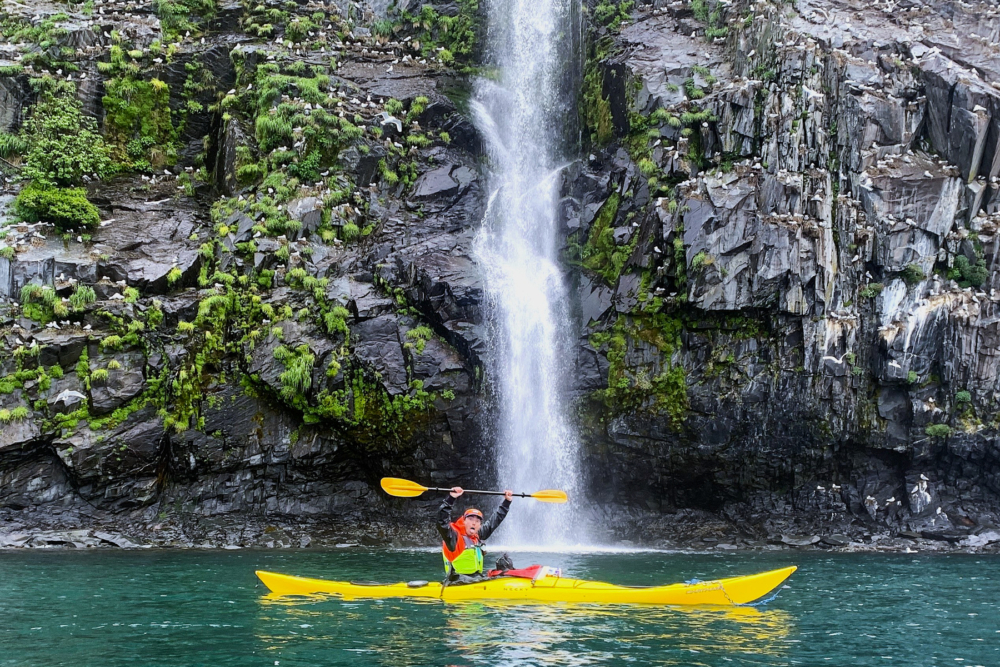
My name is Eddie Newsom, an environmental studies-history major who has worked for three seasons as a sea kayak guide between Alaska’s Kodiak Archipelago and Prince William Sound surrounded by glaciers, seabirds, and salmon! Each year I’ve headed north, I’ve had the opportunity to witness some of the region’s awe-inspiring salmon runs.
I’m fascinated by the myriad ways people interact with our environments, and how we can make positive and long-lasting impacts in the face of climate change. This year, I wanted to come back to the warmer states and paddle our home river, the Columbia.
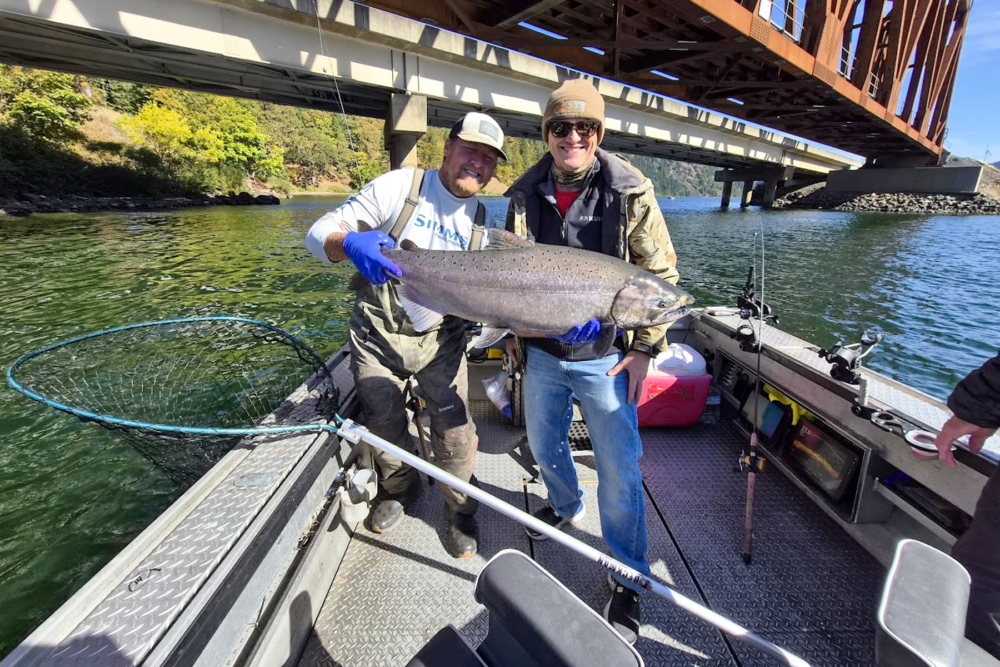
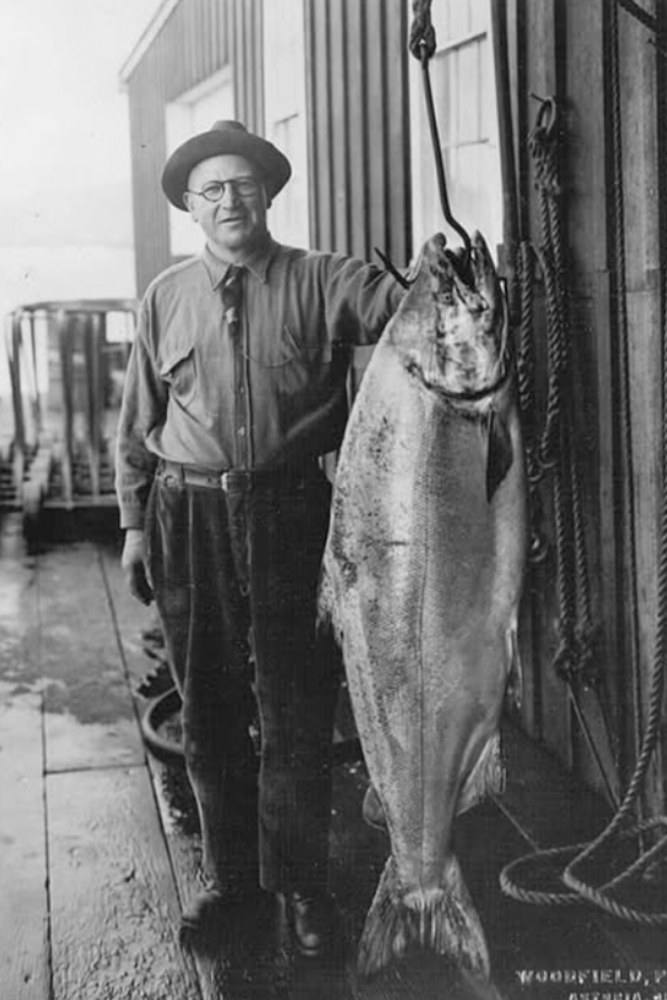
Since time dawned on the Pacific Northwest, salmon the size of people swam up the region’s many rivers. Records of these immense fish exist in oral histories, stories, and antique photos of the Lower Columbia River’s June Hog fishery. These charismatic fish of legend sustain many ecosystems they swim past on their way to their terminal breeding grounds upriver, feeding the region’s diverse plants, animals, and communities.
However, due to overfishing, damming, and environmental degradation, these shrinking (both physically and numerically) fish sit on the brink of extinction. We thought, if we want to understand the Snake River Summer Chinook Salmon, we had to walk a mile in their shoes, or paddle some miles in their river! And yes, Mom and Dad, I think this’ll help me get a job down the line?
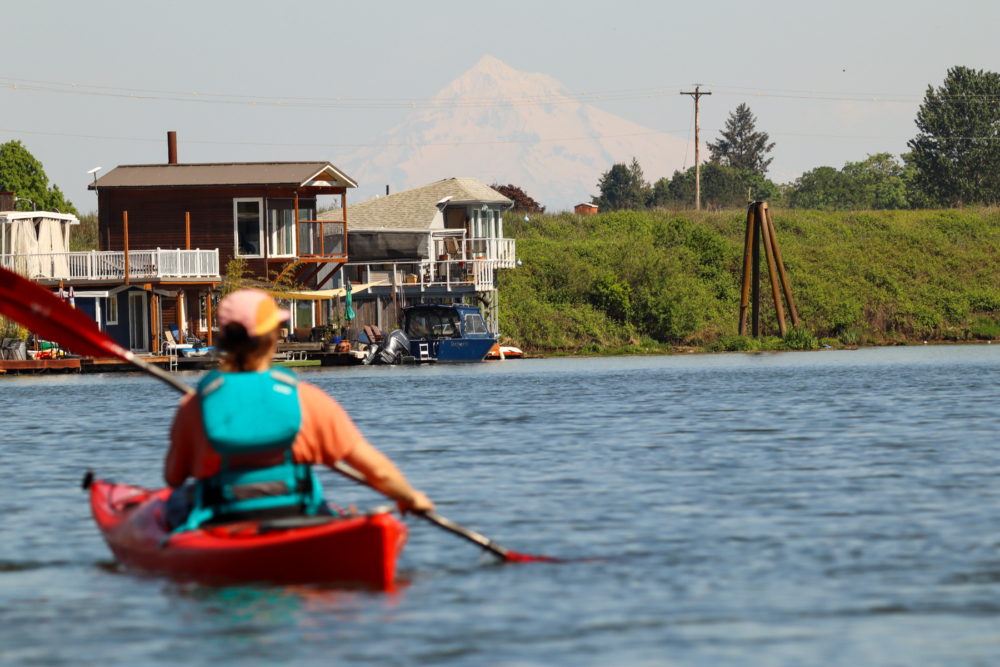
We’ll be launching in the morning of May 20th, when the tides are just right to not suck us back out the Pacific Ocean, from John Day County Park in Astoria, OR. From there, we’ll be taking our touring sea kayaks, a Wilderness Systems Epic and a Dagger Stratos, through the tidal estuaries, up through Portland, OR, around the Lower Columbia Dams, and finally into the Snake River, where we’ll finish our terminal migration near Lewiston, ID.
We’re planning on taking 5-8 weeks, or at least as long until we have to head back to class in the Fall. Some of our friends, family, and professors will be helping us on our way, delivering things like food, an occasional shower, and someone else to talk to! Neither of us have ever been out on an adventure quite this long, so we’ll be learning along the way. Not every salmon makes it, fighting current, wind, dams, and weeks of upriver miles, but hopefully we will.
I know, I know, we’ve got our work cut out for us, but I promise we love it. We’ll be writing for NRS all summer (so keep a lookout), making a short film about our experience and research on and off the river. We’re so excited to share this journey with you all!
So take this article as our stilted LinkedIn post, announcing our summer analyst position. But instead of stocks, bonds, and insurance rates, our summer is focused on a different kind of learning: one that is tacit, embodied, and full of adventure.
Let this be your sign that not doing the traditional college internship isn’t the end of the world, and that the water can be an equally rad place to grow, learn, and play. Besides, “real” life can wait a year.
We both don’t have social media, but you can follow along with our super-stellar adventure at returningagainsthecurrent.com.
***
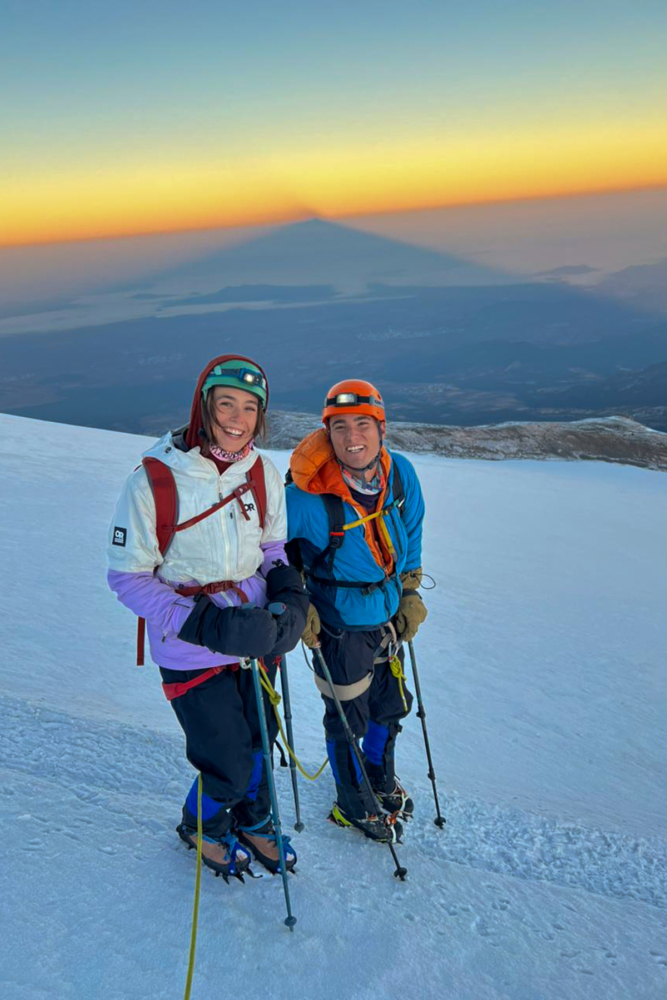
Guest contributor Eddie Newsom is a senior environmental studies major at Reed College and a summertime kayak guide. He started paddling at age 18 when he first started guiding in the Kodiak Archipelago, an island filled with bears, puffins, salmon, and memories. He returned up north for subsequent summers, kayaking the glacial fjords of Prince William Sound. When he’s not on the water, he loves climbing volcanos, pickin’ banjo, and organizing trips for his college’s outing club. As an avid flip-phone user, you can’t follow him on social media, but if you’re lookin’ for him, he’ll be on the river!
–
Guest contributor Caroline Menten is a senior English literature major and environmental humanities minor at Reed College. She grew up in Northern Colorado and spent most of her time in the foothills and mountains of the Rockies. Once she got to college, she got hooked on sea kayaking, and soon became a sea kayak guide in Prince William Sound, Alaska. She loves to explore the trails, climbs, and paddles of the Pacific Northwest whenever she doesn’t have her nose deep in a book. But sometimes Amitav Ghosh is best read from a tent!
Photography courtesy of Eddie Newsom, Caroline Menton, Chris Koski, Helen Henry, and Bob Flaherty.