When did we decide to stand-up paddleboard the entire length of the Salmon River? Neither of us can pinpoint a single moment. It felt more like approaching the entrance to a rapid: the water is calm at first, then gradually picks up speed, and suddenly you’re riding the tongue downhill toward a wave train.
Our idea for this trip was similar—it gained momentum, and before long, time and effort were poured into planning, thinking, and endlessly dreaming about it. Once it started, there was almost no turning back, much like you can’t reverse in a rapid once you’ve entered. It was an idea we’d had for years, one we kept talking about, and finally, we realized we were in the tongue moving quickly toward departure day with no reason for getting out.
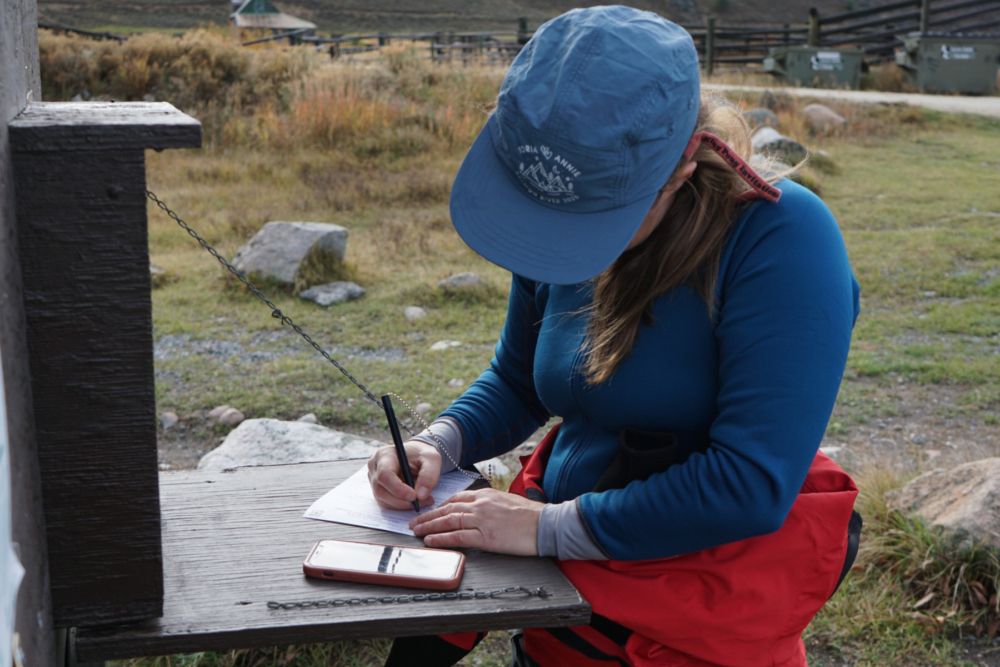
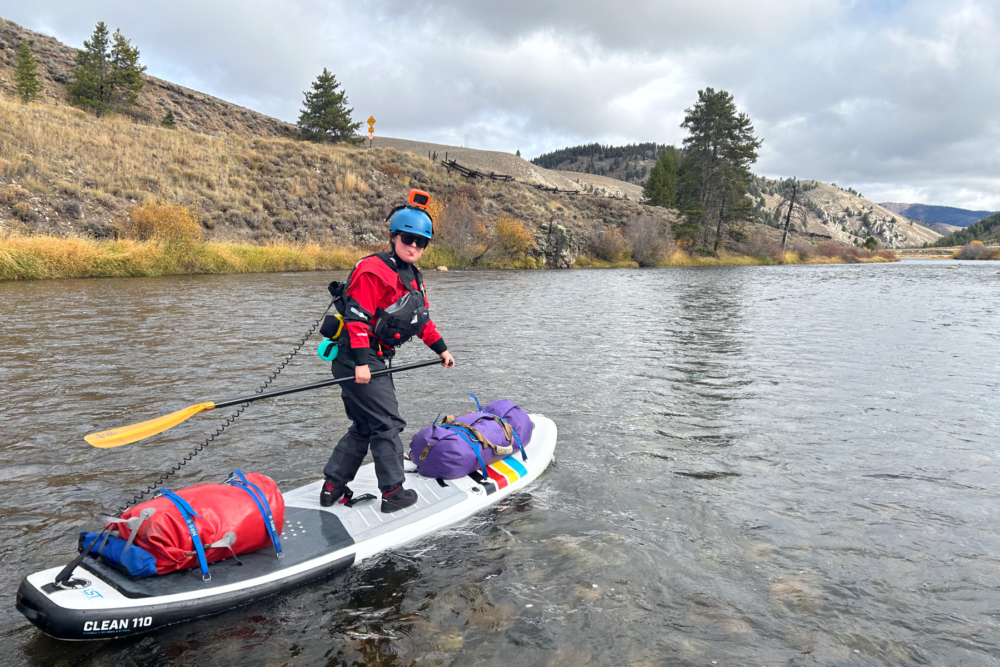
We woke up in Stanley, Idaho, to freezing rain pelting the windows of our friend’s cabin. By the time we were at the ramp, there was a narrow window of sunshine. Smiles stretched across our faces as we filled out our river permit—put-in location: Stanley, Idaho. Take-out: Heller Bar, Washington.
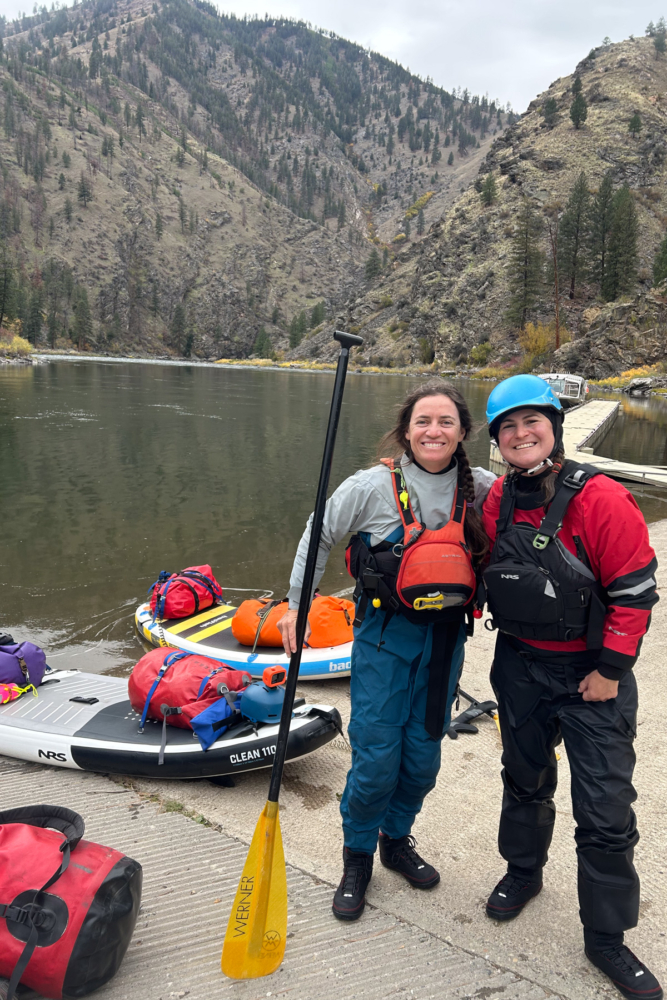
With excited jitters, we packed up the boards and squeezed our dog, Xander, and got ready to shove off. We dragged our boards over the rocks into the main current and climbed aboard. A wave goodbye to Toria’s mom and our friend, who had come to see us off, and we were finally flowing downstream.
Passing through Lower Stanley, we looked back towards the Sawtooths. The jagged peaks quickly disappeared behind the storm clouds filling the valley. We dodged rocks and passed people in hot springs as we flowed toward our first whitewater section. At mile 13 we reached one of the obstacles that made us the most nervous for the entire trip: the Sunbeam Dam.
The dam is a Class IV rapid that passes through a demolished section of an old hydroelectric structure. It is typically run early season, when lower flows reveal a gnarly reef and remnants of rebar. It was early October, and the water was low, the hazards visible. While we were fairly certain we could eddy out on some rocks along the inside corner, we still approached with caution. Luckily, our assumptions held true.
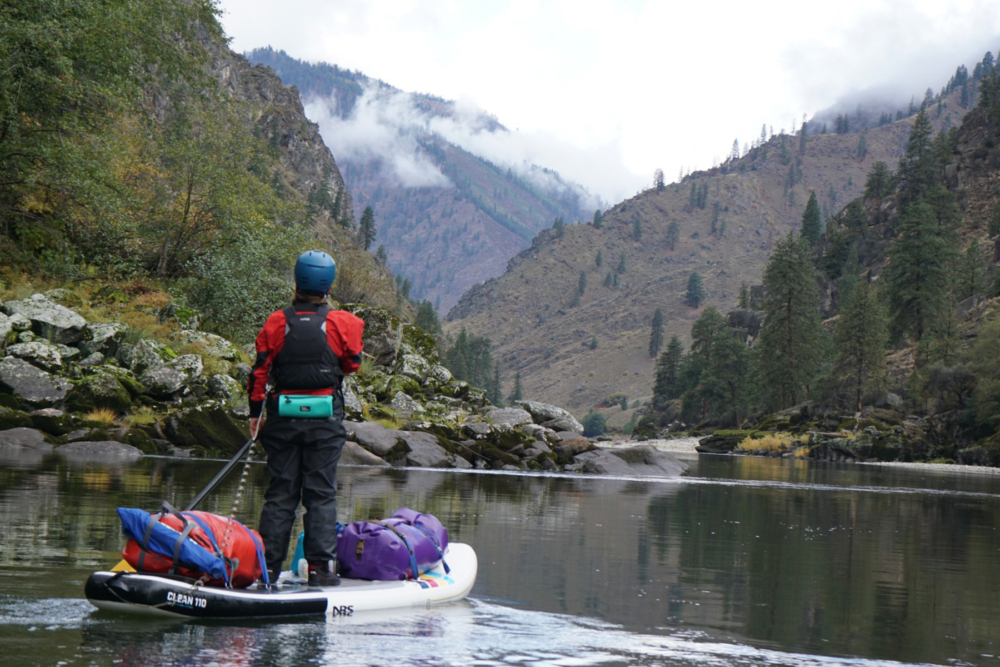
We found a small bar with some grass to scout and decided the best option was to line the boards through. Being inside of the old dam was incredible—the roar of the water made talking to each other difficult. Our first board ran without incident (and almost made us wish we were on it) but our second board got hung up on a rock and a D-ring ripped off. The equipment failure made us doubt our systems but we were eager to keep moving, so we re-rigged and continued downstream.
As whitewater lovers, we were curious as to how the flatter sections between the confluence of the East Fork and the confluence with the North Fork would feel. Would it be boring? Would the water be so slow that we couldn’t make miles? How wrong we were.
The scenery was gorgeous; there was so much to see and experience along that stretch of river. The cottonwoods along the river between Challis and Salmon were a vibrant, gorgeous yellow, their leaves beginning to drop into the flowing waters of the Salmon. There were friendly people fishing along banks who we’d often share a quick word with. Sometimes, the river was hewn in tightly by rock walls of varying colors: red, green, shades of gray and brown. Other times, the valley would open up wide and we’d surprise cows as we floated past them.
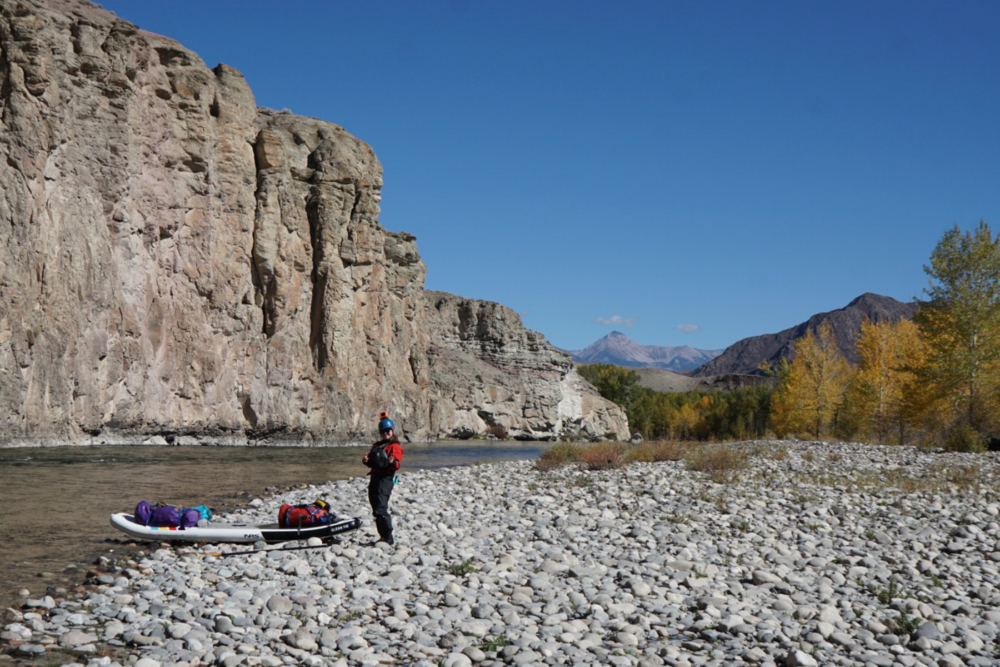
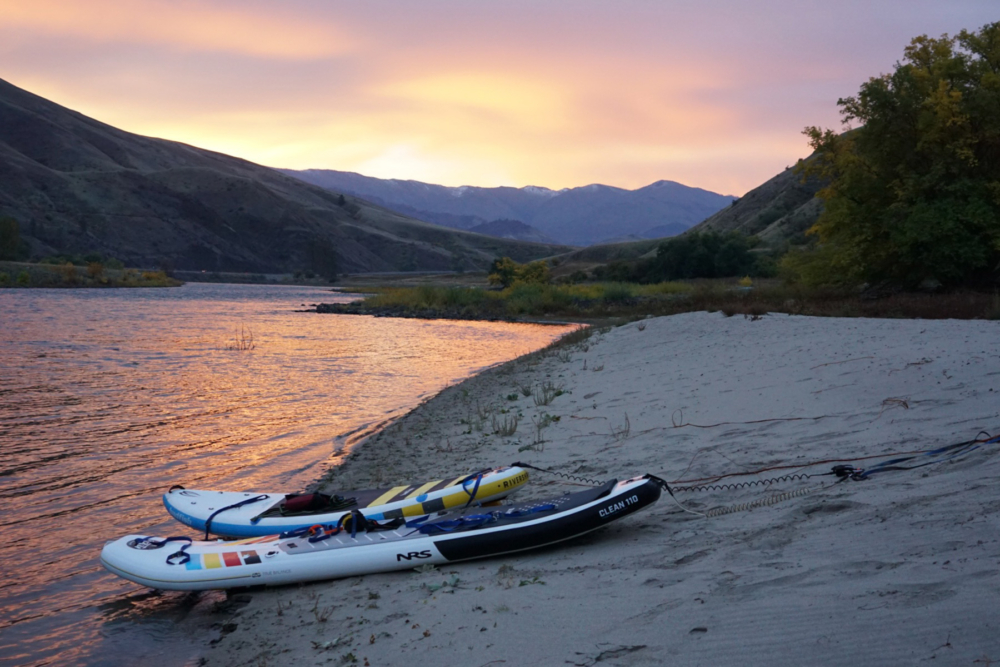
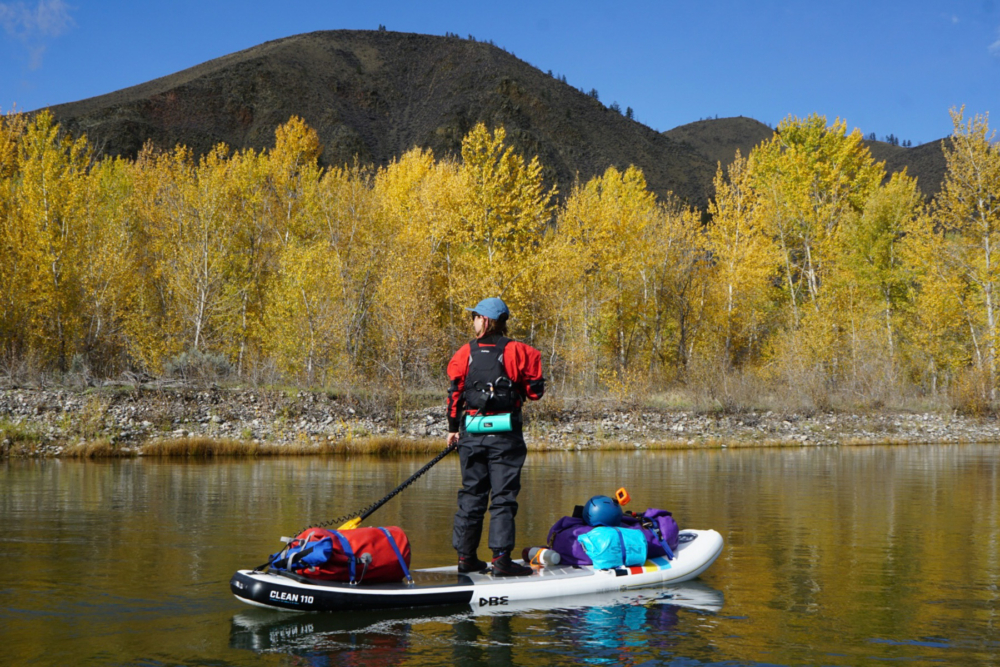
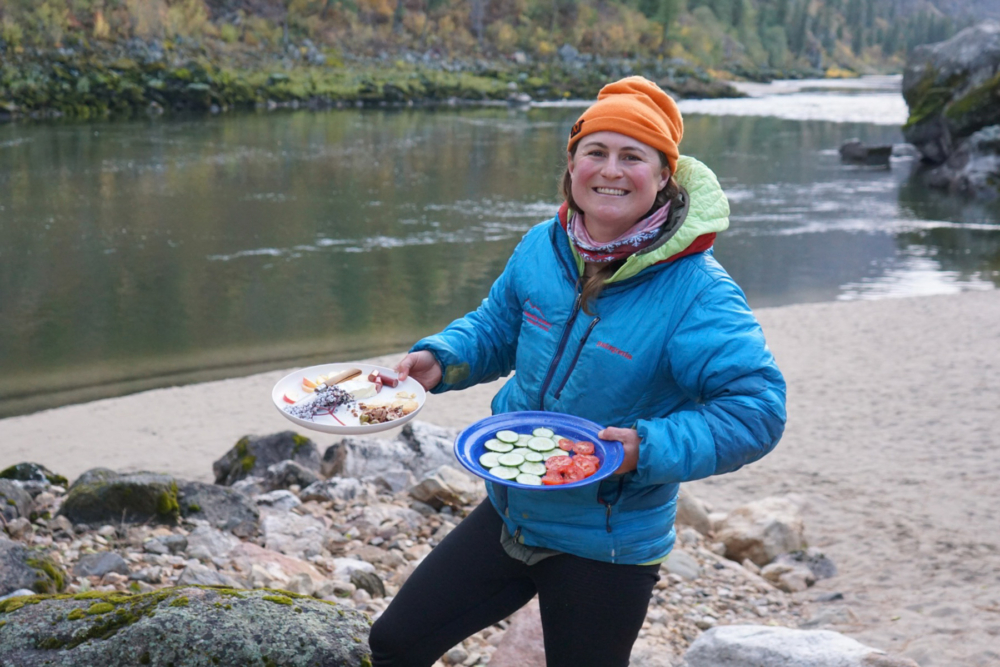
We settled into a river rhythm of waking up and enjoying hot drinks in our sleeping bags before beginning breakfast and packing up our gear. We would spend the day paddling, enjoying the scenery and occasional conversation, and trying to keep track of the endless number of bald eagles. We’d select a place to camp, and one person would set up while the other prepped an appetizer (spoiler: often charcuterie). Enjoying dinner and then settling back into our cozy sleeping bags for some reading and rest became the routine and rhythm of days that passed almost too quickly.
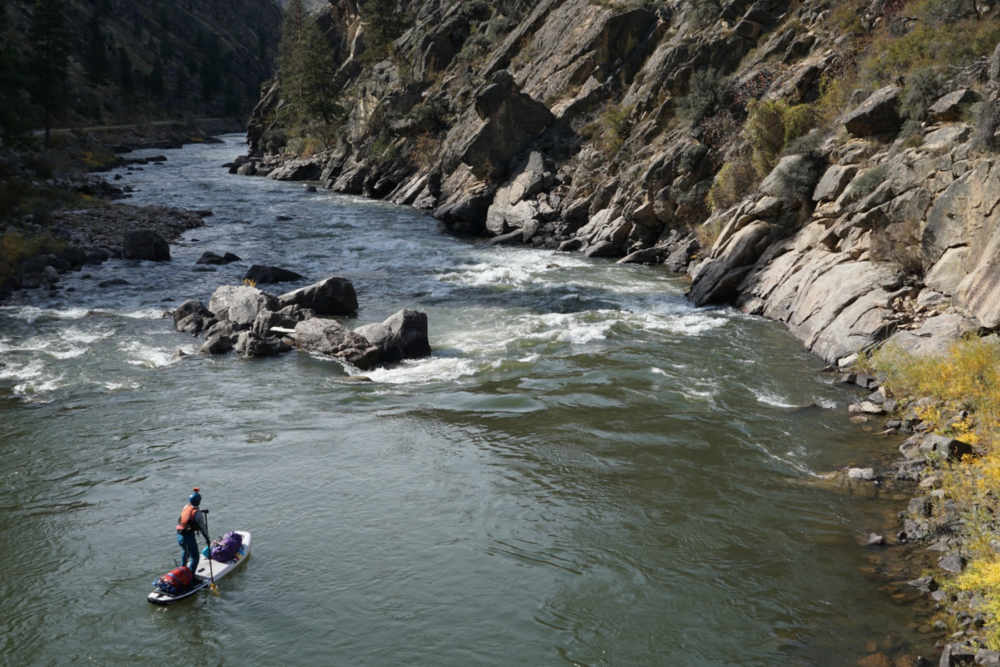
Hitting the confluence with the North Fork felt like a major milestone. The river, which had been generally trending northeast, took a left-hand turn to head west across the state. The canyon walls changed into that characteristic Main Salmon flavor, ridgeline after ridgeline extending ahead of us with pine trees clinging on in seemingly impossible places. After passing the Deadwater section (aptly named), the gradient increased, the water sped up, and we were back into whitewater!
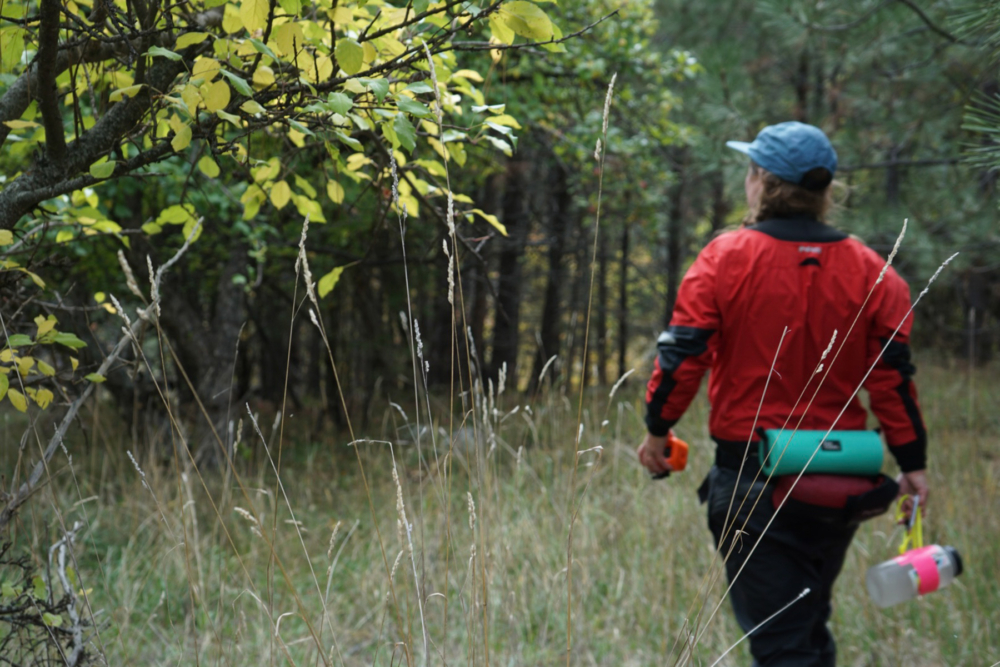
Corn Creek marked the passage into our most familiar section of river and the start of our first roadless section of the trip. Despite many trips through this stretch, both together and separate, the river felt at once strangely familiar and new. The Mighty Main was shockingly empty (the only rafting trip we saw was on night one). The colors were different than they are in the summer and the apples at various homesteads were in prime condition. The pace of life on the Main in the fall was slower and more peaceful. We camped in small spots we’d never camped before and got to enjoy coffee in the hot springs all alone. It was special to experience a familiar river in a new way.
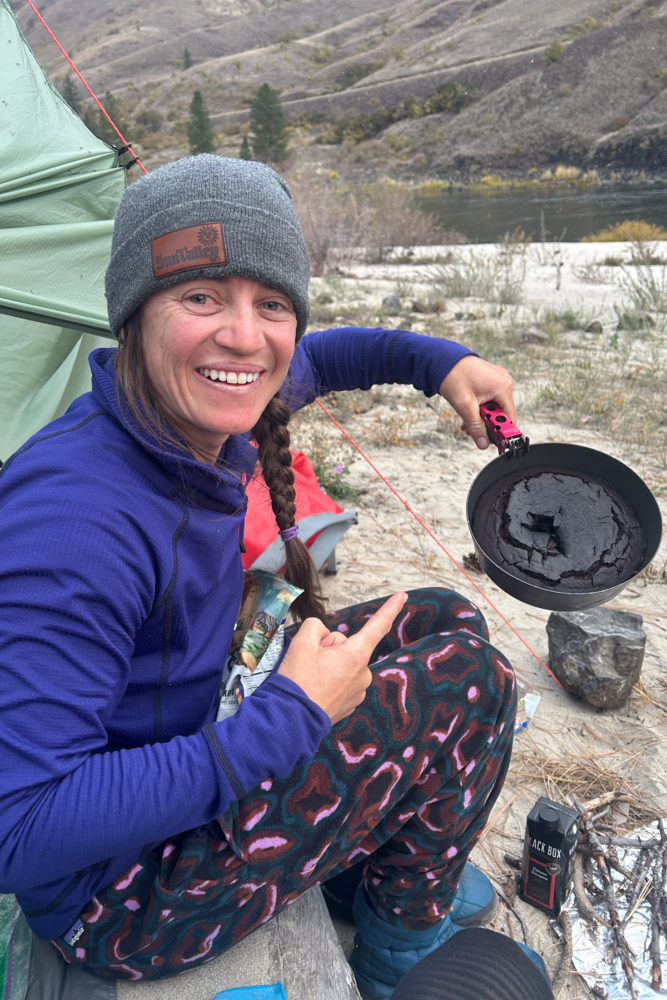
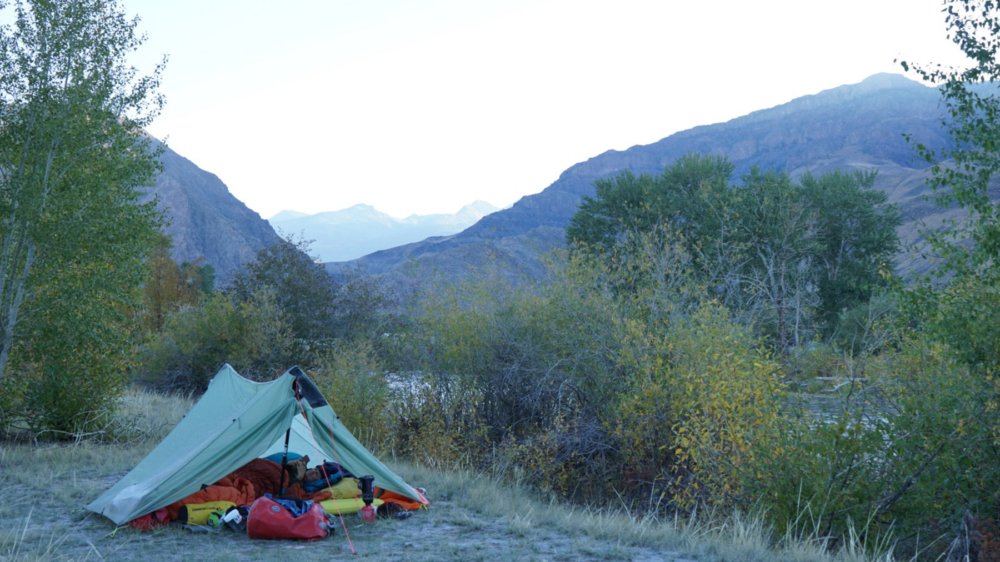
One highlight of the Main Salmon stretch was getting to return to the beach where we had gotten married three months prior. In July, we had floated downriver with our family and close friends for an intimate, playful, and sometimes raucous river wedding. We got married on night three on the beach at Rhett Creek, in a ceremony that took place in a circle on the sand. We reminisced about the evening and re-read our vows to each other. The next morning, we enjoyed coffee on the beach before loading up to continue downstream.
A few days later, after a fun run through Vinegar (Toria stood and I… almost stood), we hit the Carey Creek Boat Ramp. Passing by the ramp almost felt wrong; every trip prior we had to pull our boats over as we would look wistfully at the water continuing downstream into stretches of river that were unknown to us. Not this time. Instead, we joyfully joined the current as it continued into more rapids. The whitewater was fun and splashy, and we spent a lot of time with our necks craned upwards, looking at the rock for routes that we need to return to and climb!
We arrived at Riggins late afternoon and quickly set up our tent at the Mill Wave campsite. Following a crossing of both the Salmon and the Little Salmon, we made our way down Main Street to the Seven Devils Saloon and Steakhouse for White Russians, burgers, a salad, and lots of device charging. Our next day was filled with re-rationing, tasty coffees, a little bit of life logistics, and finding a new book (the e-reader we were carrying broke down).
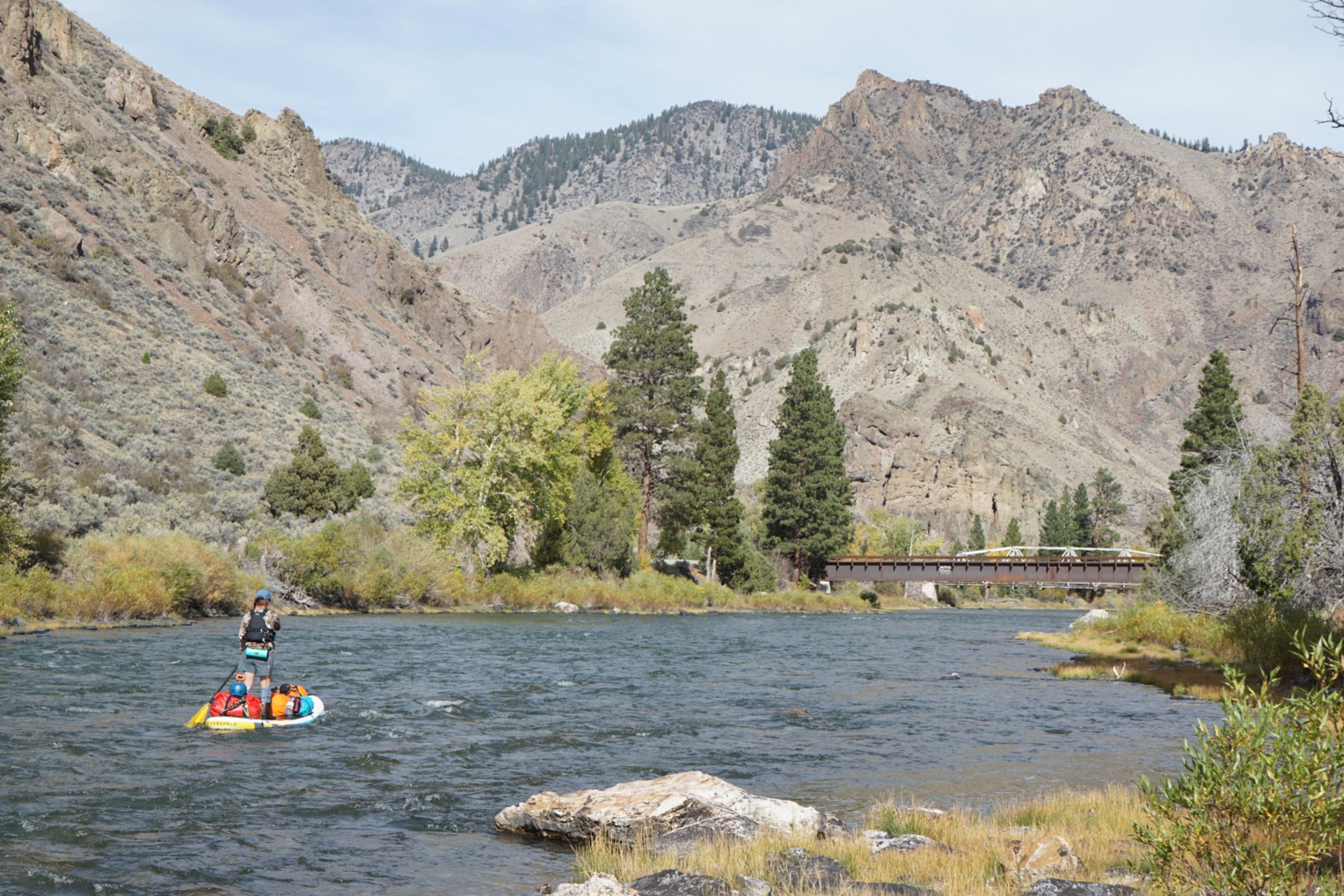
We finally pushed off onto the Riggins day stretch later than planned. As we left the ramp, it felt peaceful returning to the flow of the river.
After 20+ consecutive days of paddleboarding, we felt as comfortable running whitewater on our SUPs as we’d ever been. However, we could also feel a deep exhaustion setting in. After some chilly days of paddling, we arrived at the put-in for the Lower Salmon: Hammer Creek. We walked around the campsite, reminiscing on our nights spent there in anticipation of river trips past. After a bite to eat, we pushed off into our final section, which truly felt like the point of no return. An evac from that stretch would be far more complicated than simply pushing to the end.
It’d been years since we’d been on the Lower Salmon, and we’d both forgotten just how fun and playful the water there is. We bounced through Bodacious Bounce and laughed our way through Bunghole and Lower Bunghole. We made eye contact with otters as they looked at us curiously in Cougar Canyon.
On our second-to-last night on the river, we camped just above Snowhole. We could see the top of the rapid and hear its constant roar. A squall came through that night, flattening our tent on top of us in the middle of the night. We both held onto the spare paddles we were using as tent poles until the wind lessened and we were able to re-stake the tent.
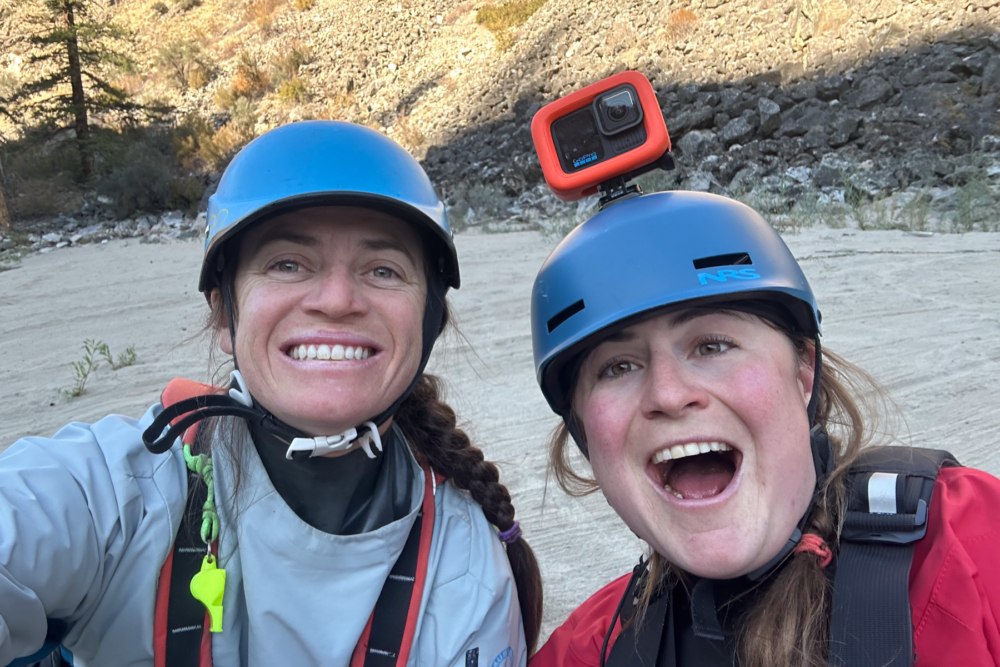
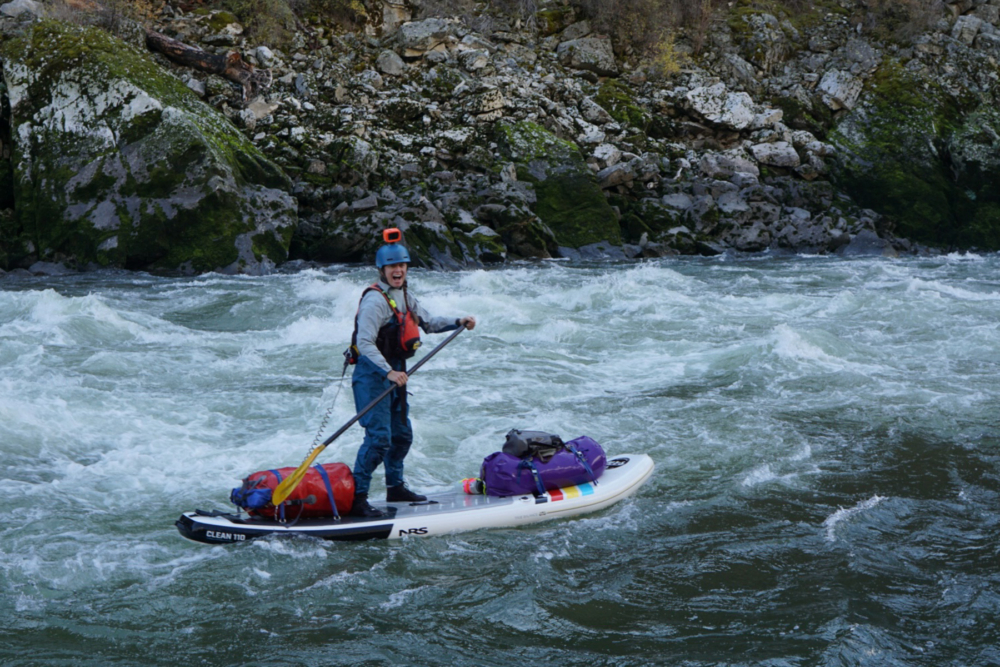
In the morning, we paddled across to scout Snowhole. It’s an intimidating rapid to look at when you know you’ll be running it on a SUP. One after the other, we found our line and nervously paddled out. We both made it partway before being thrown into the water by turbulent lateral waves. We met up in the eddy below, laughing and recounting just how we’d each ended up in the water (Toria had a particularly spectacular entrance). With the last big rapid of the trip behind us, we continued on.
We were pushing to make it to the confluence that evening, and still had 23 miles to go. A stout headwind picked up midday, making it feel as if we were barely moving downstream. After running Eye of the Needle (our final rapid), the winds abruptly switched, and we paddled the last mile to the confluence with a tailwind. With night falling and rain threatening to start at any moment, we hurried to set up camp on a small beach just upstream from the confluence.
After the storm passed, we climbed onto a rock and looked downstream to the end of our journey. The gravity of what we had just done hit as we watched the waters of the Salmon join the Snake River. The mixture of emotions was strong: pride for a journey completed, sadness for an adventure to end, anger at the shortsightedness of monetary gain for the few at the cost of the river’s health, and gratitude for being able to watch the river grow from beginning to end.
We thought back to what the river had been like in Stanley: bony, narrow, and almost trickling compared to the amount of water rushing through the canyon in front of us. With a toast to the river and our journey, we went to bed.
It was still dark when we started to pack our gear the next morning, trying to complete as much of the remaining 18 miles before a headwind picked up. We hit the water at dawn, reaching the confluence just as a fishing boat arrived there, too. While we were a bit sad to have to share the moment with a bunch of people asking questions, there was something poetic about it, too. We had left the relative peace of the Salmon and were on the human-altered Snake.
The canyon walls captivated us, but the presence of the bathtub ring dampened the moment. A sturgeon breached just in front of our SUPs and we both felt, more than any other time on the trip, that we were traveling on very small pieces of equipment.
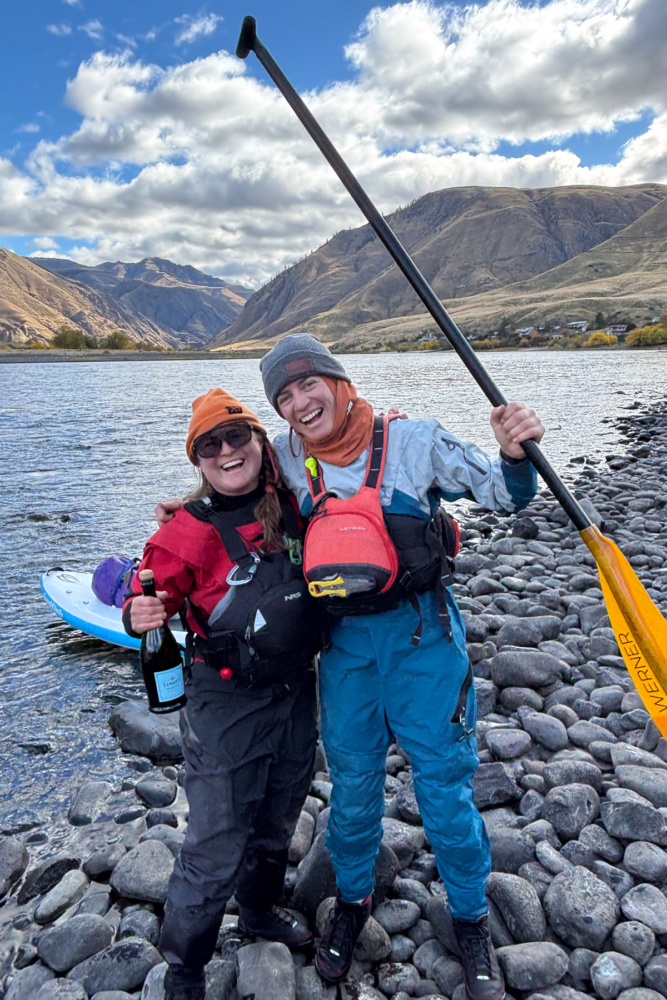
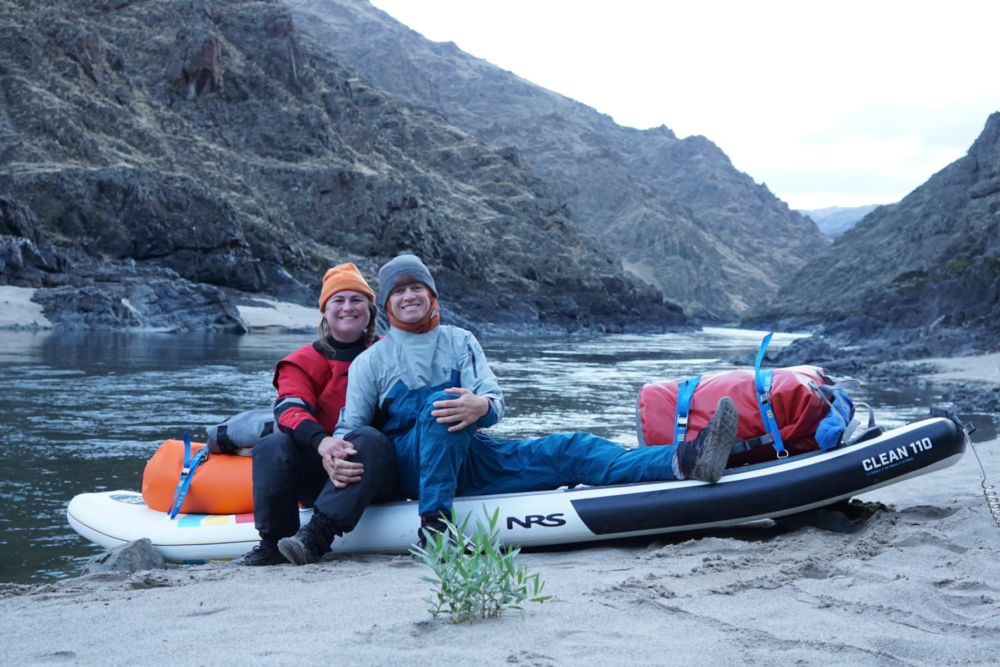
Rounding the bend that brought Heller Bar into sight marked our final paddle strokes. Toria, with her better eyesight, spotted my parents first. They were on the shore near the ramp, waving a red shirt above their heads. As we hit the shore and jumped off, we were embraced with hugs and a bottle of prosecco. We popped the bottle and toasted to the river.
Even with our journey complete, water continued to flow past us. It felt comforting knowing that all around the world, rivers are always flowing. And that means there are a lot more SUP trips to do!
***
Guest Contributors Toria and Annie DeRosso are adventure-lovers based in Ketchum, Idaho. They love exploring the mountains and rivers on any craft they can get their hands on- SUPs, skis, bikes, rafts, climbing ropes and more! They are famous for bringing their travel backgammon set almost everywhere and they make a mean backcountry pizza.
Editor’s Note: In October 2025 Annie and Toria paddled 398 miles over 25 days in order to complete the first stand-up paddleboard descent of the entire Salmon River. The trip doubled as their honeymoon!