My first trip to Patagonia was in 2018. I arrived with a pocket full of flies and a backpack, my rod tube awkwardly wedged into a bottle holder and a hand-me-down net dangling off the side. I looked a bit like a shipwreck, but that didn’t stop me from hitchhiking through southern Chile, from the pampas along the Argentine border to the lush fjords carved by glaciers long ago. Working my way south, I caught rides in the backs of pickup trucks from friendly gauchos and camped in farmers’ fields, always sure to cast a fly or two into any promising trout water.
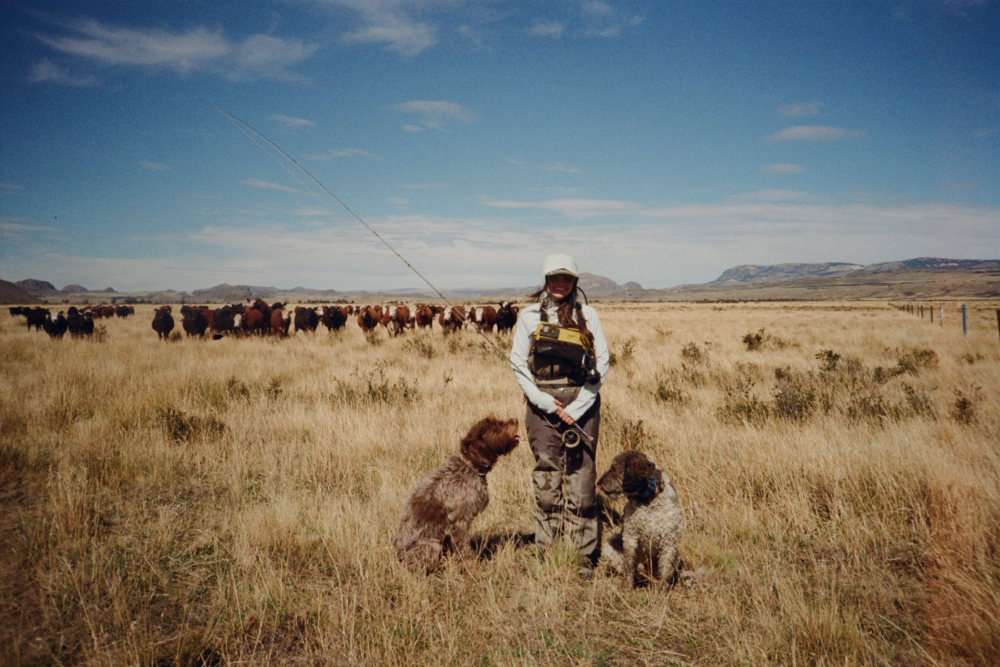
Nearly ten years later, I still look back on that trip with deep nostalgia. It was my first overseas fly-fishing adventure, the beginning of what would become a decade of trout-bum wanderings, a devotion that even now borders on obsession. But more than that, I find myself admiring how much I’ve grown since then. Growing up in northern Spain, I had so many dreams of adventure and travel, and that trip to Chile was the start of me making them come true. I had just turned twenty-one, and spent the majority of my life up until then plagued by insecurity, self-doubt, and tremendous amounts of fear. At the time, I thought I was simply going on a fishing trip. Looking back now, I think of it more as the first chapter in my coming-of-age story.
Since then, I’ve built my life around fishing. I became a guide in Montana’s Big Sky country and have made a habit of chasing fish across continents. My life has become so much more than I could have ever asked for, and yet, no matter how far I travel, something always draws me back to Chile.
***
During the northern hemisphere’s winter—Chile’s summer—I now return to guide at a lodge tucked into the vastness of Aysén. I fell in love with a Chilean fishing guide, and the rest is history. But even without romance and even without work, I think I would still find my way back to Patagonia. There is a part of my soul I can only seem to access there.
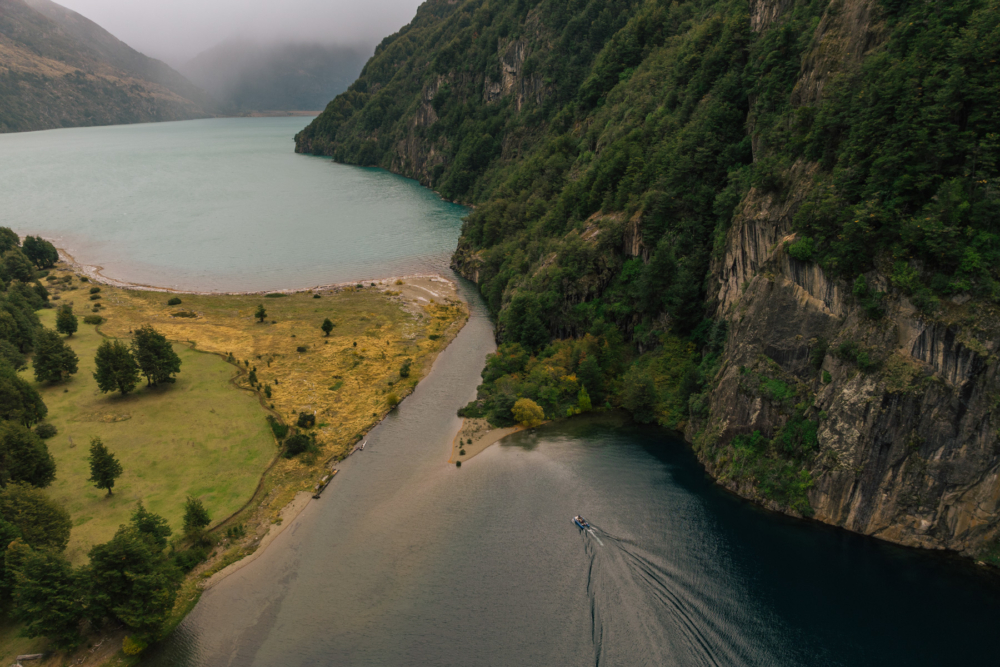
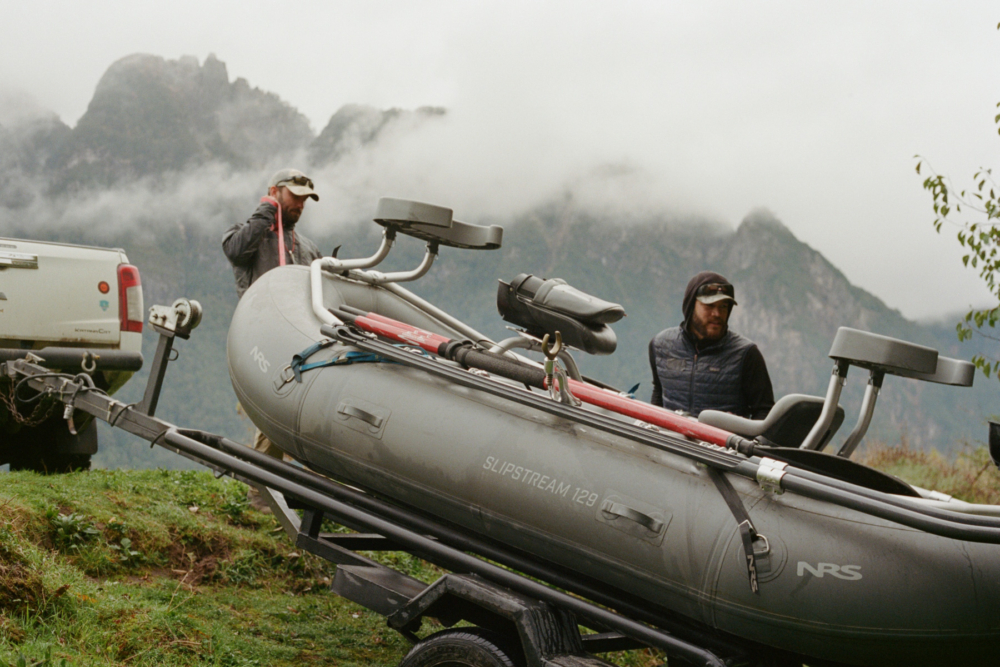
The heart of fly fishing in Chile is Coyhaique, the capital of Aysén. Here, raft trailers line the streets like restless horses waiting to be unhitched; sunburnt guides with polarized sunglasses gather outside bars, trading stories over pisco and beer. But beyond the fishing culture, there is another rhythm: stray dogs trotting with quiet authority through the streets, gauchos performing their monthly run into town by horseback, families gathered on porches passing around maté with a shared enameled cup and bombilla, backyard asados that stretch late into the night filled with music, dancing, and the kind of joy that only comes when you are living fully in the present.
Getting to Coyhaique is a journey. Most travelers fly into Santiago, the capital, before continuing south on a regional flight to Balmaceda, a small town near the Argentine border. From there, Coyhaique is about an hour drive away. The Aysén region is the most sparsely populated area in Chile itself, serving as a gateway to a wilderness that still feels largely untouched.
There is no shortage of lodges and outfitters offering curated fishing experiences, though for those inclined toward independence, a do-it-yourself approach is possible. Still, I recommend hiring a local guide, even if only for a day or two. A guide offers more than logistics—they offer understanding, context, and a deeper connection to the place. And beyond that, it simply feels right to support the people who call this landscape home.
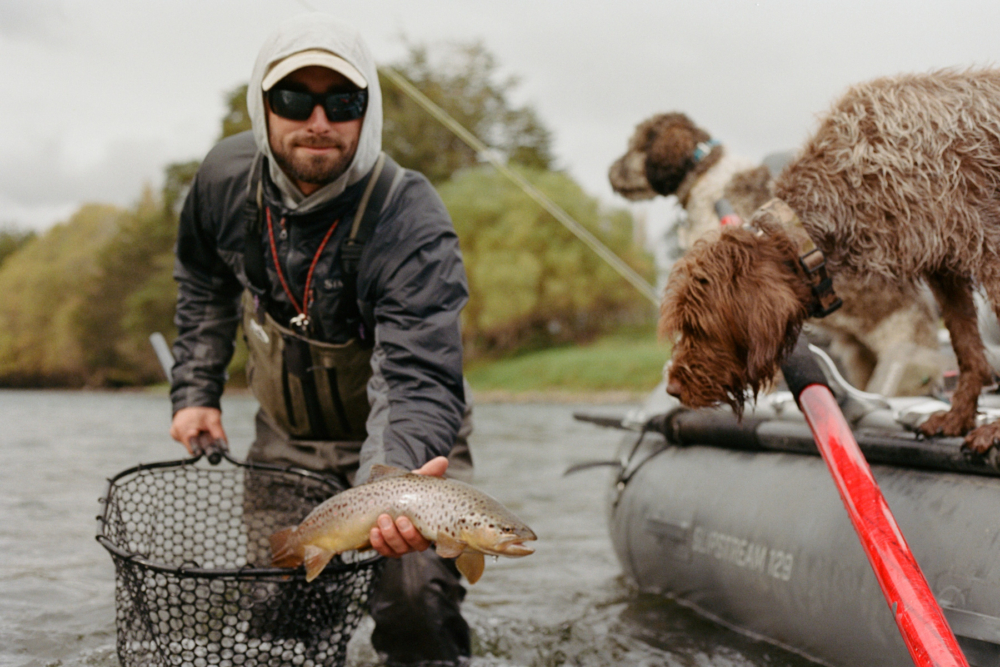
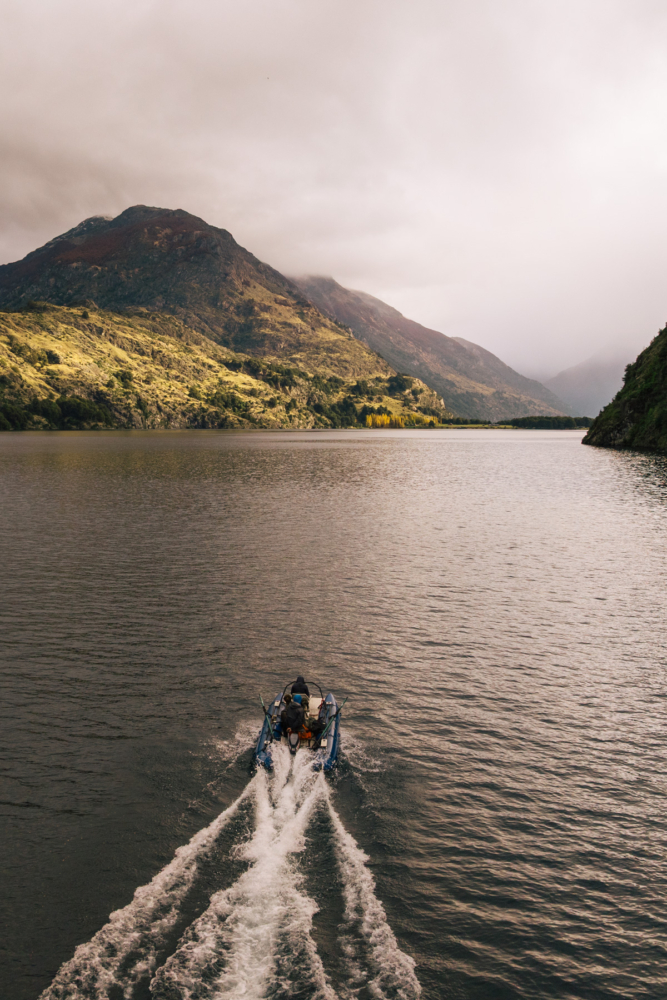
Fishing tourism plays an important role in the local economy, and with it comes responsibility. Conservation in Chile is both urgent and evolving as increased pressure meets fragile ecosystems. Arrive with clean gear. Follow biosecurity practices. Leave no trace. Handle fish with care. Respect the water. And yes, tip your guide.
Patagonia’s waters are as varied as the land itself, which may be my favorite part of fishing here. From October through early May, the season unfolds in a series of remarkable hatches that bring rivers and lakes to life. Aysén stretches from the Argentine border to the Pacific Ocean, encompassing an astonishing diversity of fisheries. There are spring creeks narrow enough to step across, and wide, powerful freestone rivers formed by snowmelt and rain.
***
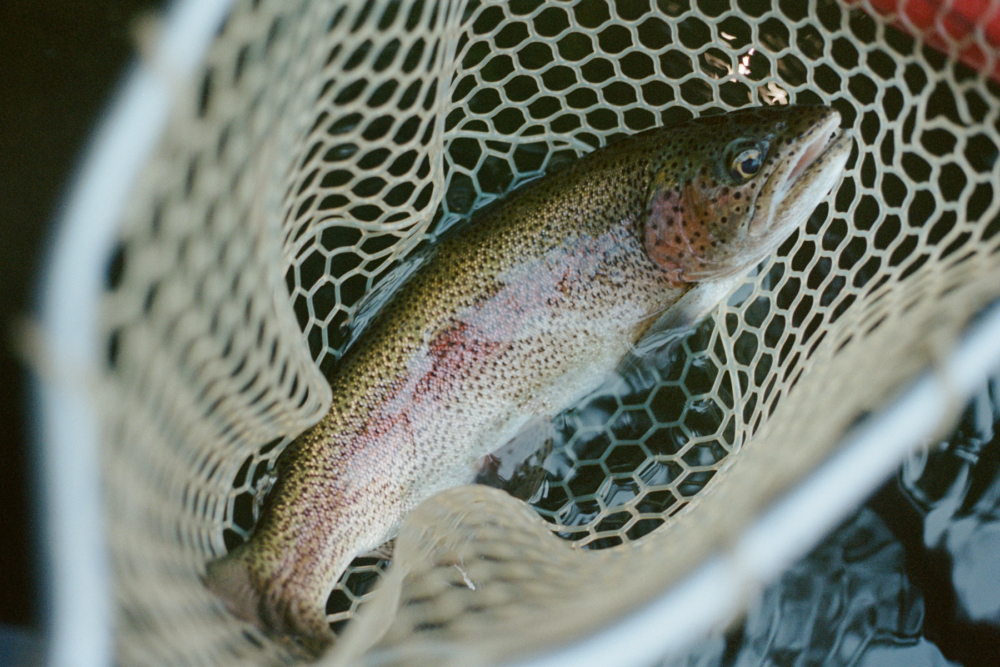
Wading, of course, is the least gear intensive way to fish in Patagonia. It can be intimate and technical, requiring patience and precision, and you can also take your time and dissect the river with your fly. On smaller rivers and spring creeks, you can spend an entire day working bend after bend, catching brown and rainbow trout of varying sizes. Public access exists, especially around bridges; some water surrounded by private property is available for a fee and the water itself is public.
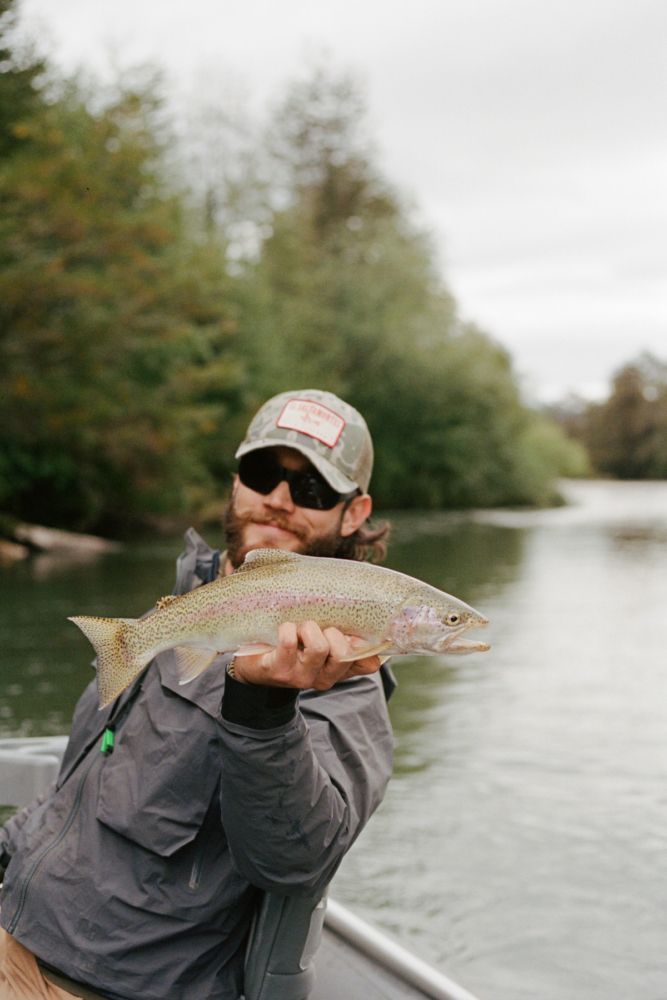
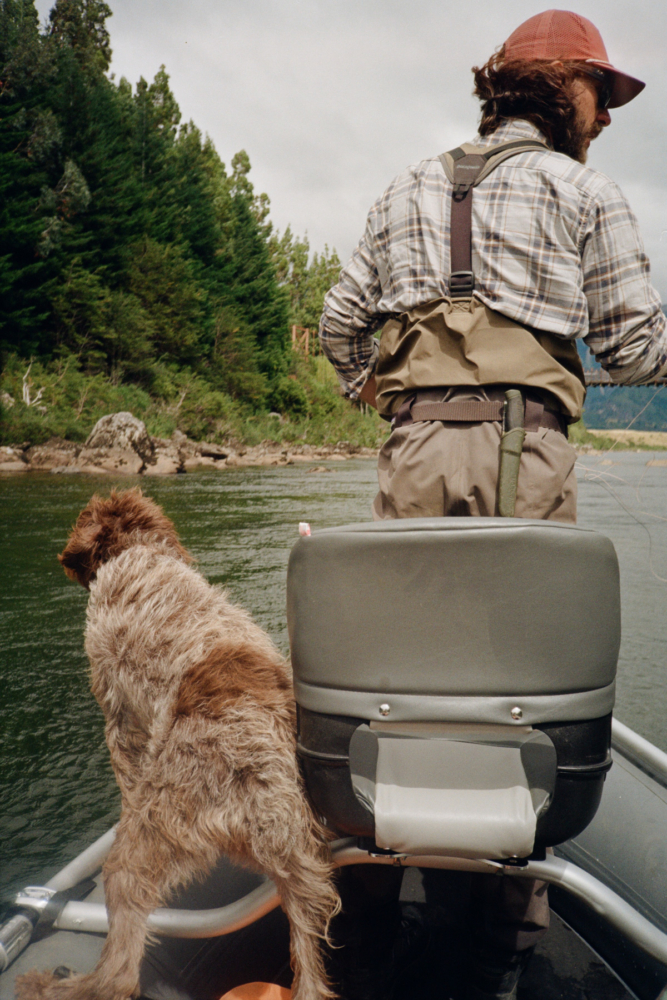
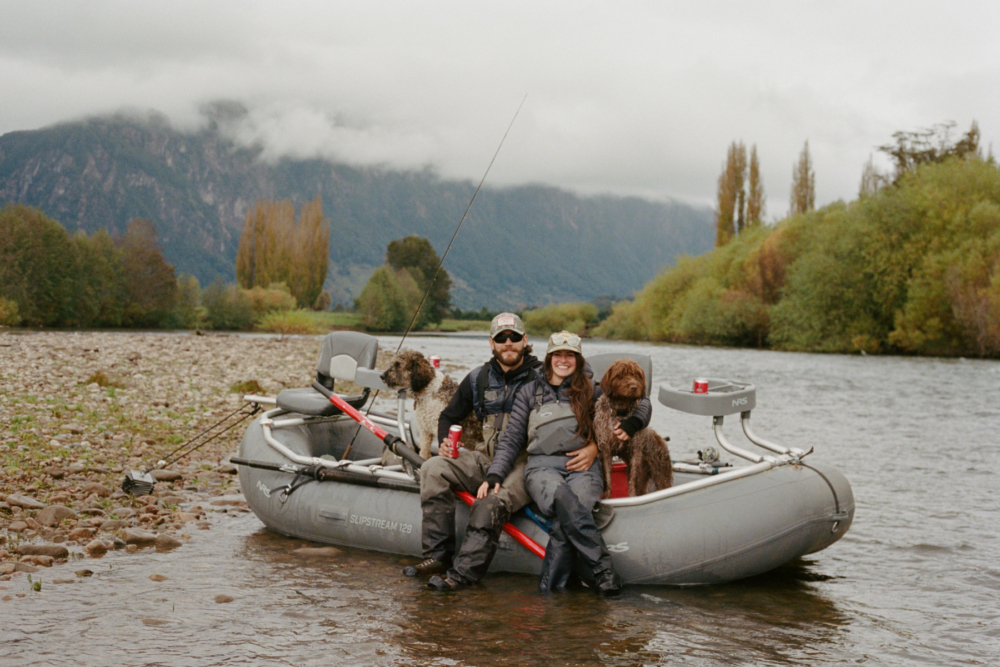
Personally, I will always prefer to float. Rowing rivers is quite simply my favorite way to spend my time and Patagonia offers no shortage of rivers to choose from. Some of the most iconic rivers in the area include the Simpson, Mañihuales, Paloma, and Aysén. Public boat ramps are limited, making this another situation where a guide is invaluable. These freestone rivers offer spectacular views and fishing, but they are also highly sensitive to weather and can blow out quickly. And unfortunately sometimes floating simply isn’t in the cards.
On those days, there are always the lakes. For years I dismissed stillwater fishing, convinced it was bland and uninteresting, but Patagonia changed that. In my experience, the lakes here hold some of the largest trout, and the process of finding structure and locating feeding fish becomes an adventure in itself. A bit of wind or rain can work in your favor, as trout tend to be less wary when there’s texture on the water’s surface. A boat and guide are incredibly helpful, but sight fishing from shore to cruising fish can be just as rewarding.
As for fly selection, pressure has increased over the years, and fish have grown more selective. Streamers, nymphs, and dry flies all have their place. Big terrestrials can be especially effective, and during strong hatches, mayflies, midges, and caddis provide incredible action. I tend to rely on a core group of patterns that work across waters: Sparkle Minnows, Sculpzillas, Dalai Lamas, TJ Hookers, perdigons, Fat Alberts, Moorish Hoppers, Stimulators, Parachute Adams, Elk Hair Caddis, and Griffith’s Gnats. These account for the vast majority of my fishing.
***
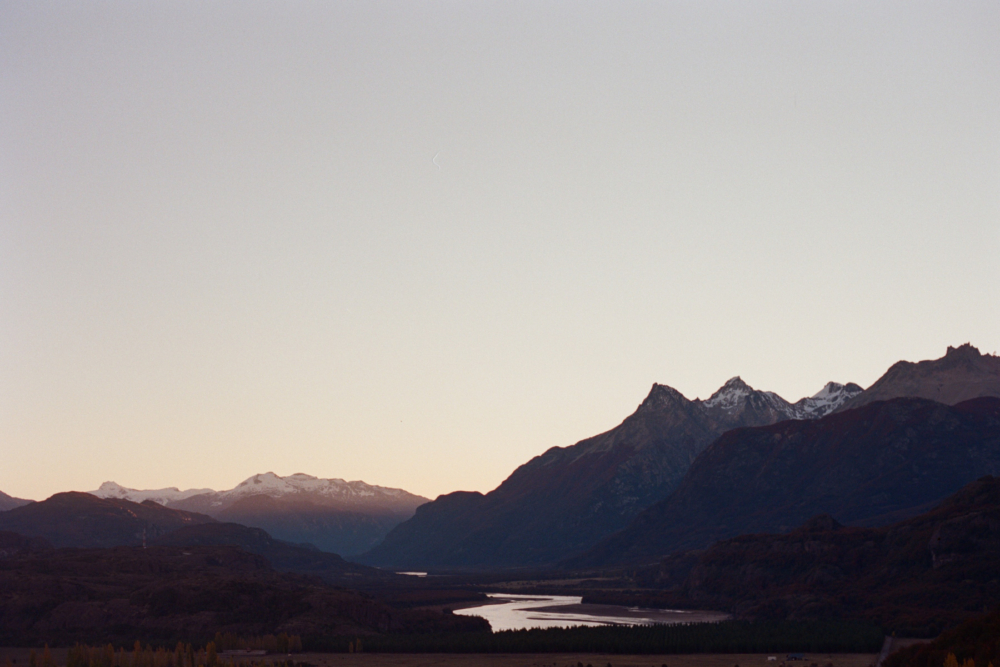
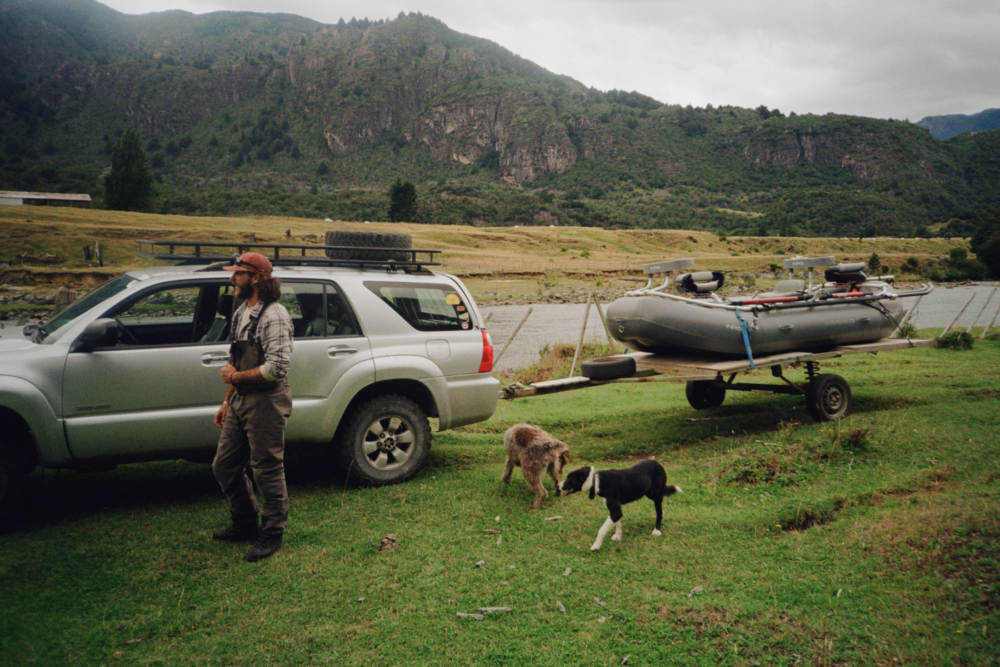
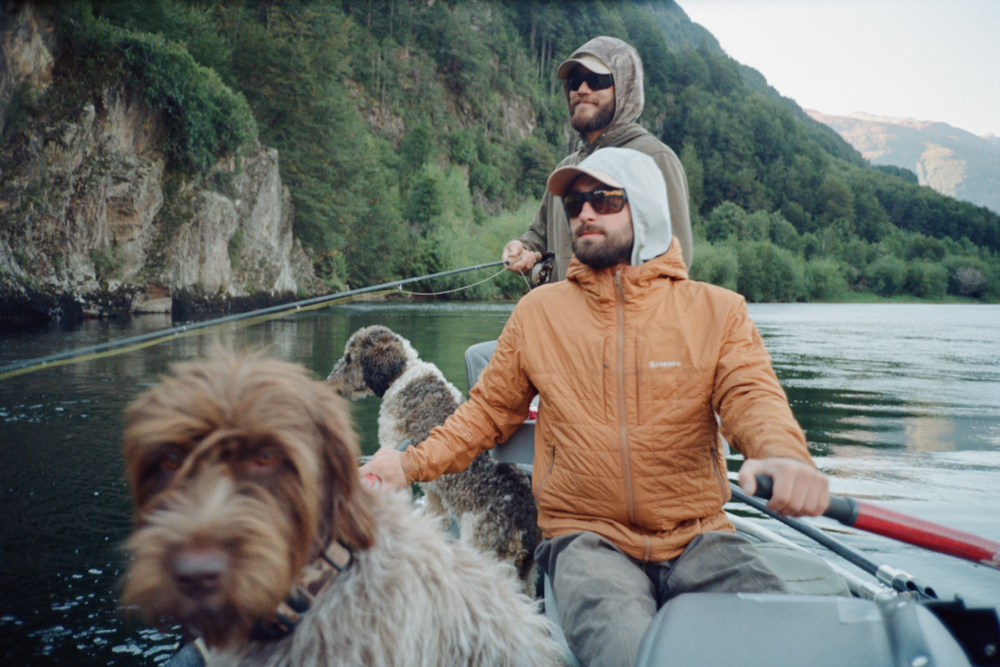
Chile has humbled, stretched, and transformed me. Since that first trip in 2018, it has pushed me far beyond my comfort zone: stranding me on the wrong side of rivers after flash floods, forcing me to scrounge up every ounce of strength to row against wind and whitecaps, testing me with heat stroke one week and near hypothermia the next. None of it has been easy, and none of it has gone as planned, yet something about it has always felt right. Somewhere within that uncertainty, something shifted. I began to understand all that I am capable of.
Patagonia has a way of unraveling expectations. Like its freestone rivers—clear one day, blown out the next—it resists control and rewards presence. I’ve learned to take the fishing as it comes, to meet each day for what it is rather than what I hoped it would be. And in letting go of those expectations, it so often becomes something far more extraordinary than what I had originally imagined.
The months I spend there are marked by both growth and discomfort, small reckonings and quiet triumphs. So much of who I am today, both as an angler and as a person, has taken shape in that landscape. No matter how far I travel, or how many waters I fish, part of me will always belong to those rivers, those lakes, and the wild, unfinished feeling of a place that continues to test me.
***