When we launched our boats at John Day County Park on May 20th, 2026, bound for Lewiston, ID, our expedition was largely theoretical. Any good expedition is. Food caches coordinated. Campsites arranged. Mileage scheduled. Months of planning had led us to a boat ramp outside Astoria, OR, where we expected adventure but had no real understanding of how it would unfold.
Steinbeck wrote in his book Travels with Charley, “A journey is a person in itself; no two are alike. And all plans, safeguards, policies and coercion are fruitless. We find after years of struggle that we do not take a trip; a trip takes us.” At the onset of our journey, we had forgotten this quote behind a mountain of grants, planning sheets, and paperwork. But, as we were about to rediscover, the aspects that made the adventure so memorable were not hidden among schedules, trip reports, or maps, but within the people we brought along, counted on, and befriended on our journey up the Columbia.
This trip would not have been possible alone. Full stop. We don’t just mean alone in the sense of forgoing the buddy system. Left to our own devices, we simply would not have been able to make this expedition happen.
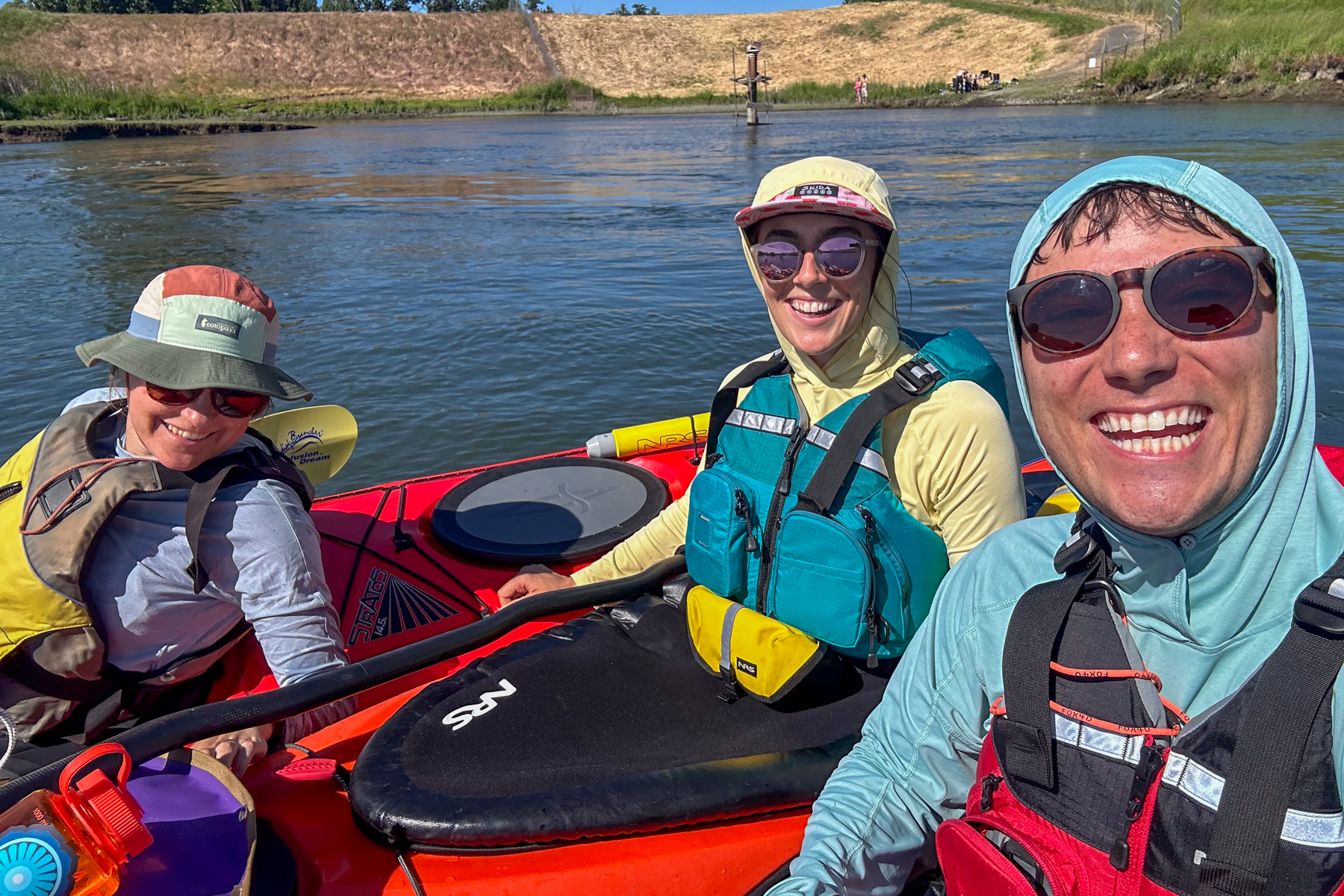
Behind every outdoor adventure, especially the ones in the movies, there are a million moving parts, carefully orchestrated by a grand ensemble. When you watch an outdoor adventure film or read about an expedition, take a closer look at the credits, the acknowledgements, and the dedications. These are the people who act as the glue, the grease, and the fire behind the whole enchilada.
When planning an expedition between your junior and senior years of college, that means not only finding people who want to support you, but people who have the time to pitch in, and who are actually around for the summer. Friends scatter for seasonal jobs. Cars disappear with roommates. The people who were able to help us all summer long, and even the people we found along the way, became what truly made our adventure possible.
Predictable Community
Our friends and family were some of the first people we pitched this trip to. We recounted our ideas and hopes and were mostly met with more anxiety than excitement. Most of the next questions were almost always about physical capability and logistical safety.
“How will you get food?”
“What happens if you get hurt?”
“Isn’t the Columbia River a major shipping channel?”
“Oh god please tell me you’re not going through the Columbia Bar?!”
We got all these questions, and many more. Most of our answers involved reassurance of our safety measures and asking for help. We asked our moms, dads, aunts, uncles, and brothers for support in one way or the other. And for the most part, our parents have been the biggest support of all. Instead of a professional crew, we had them. Both of our parents became our logistical and emotional support. We discussed and planned contingencies, shared our location and detailed when they should hear from us, and asked them for advice about beta and communication.
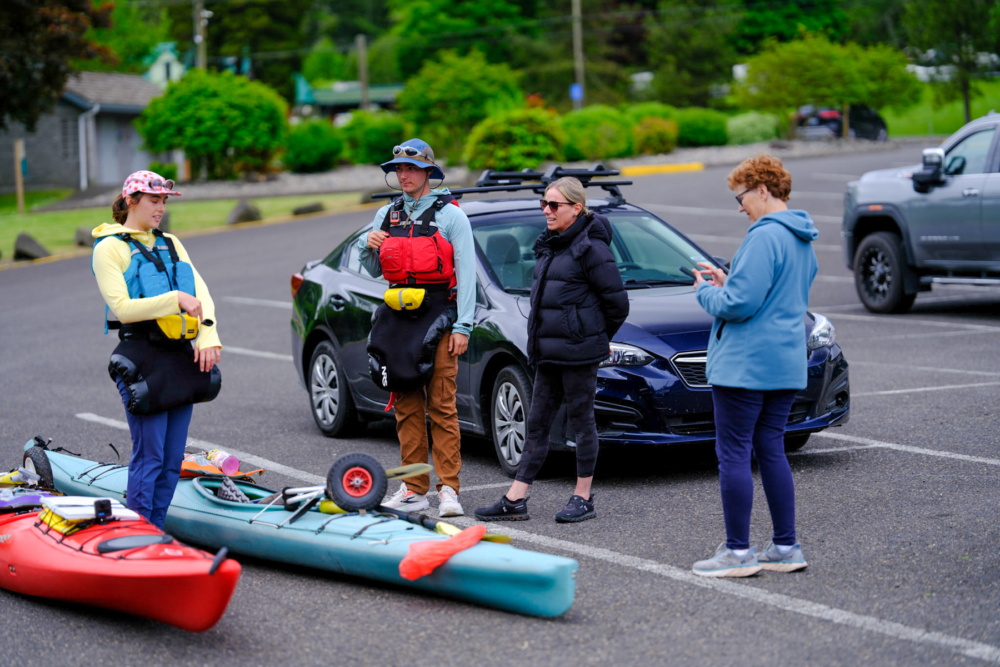
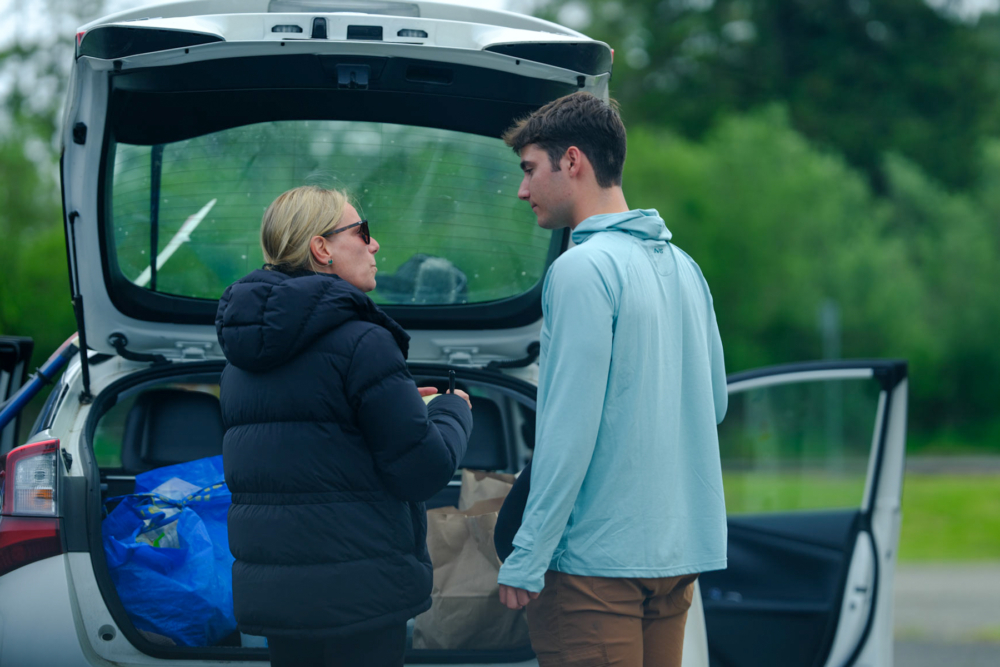
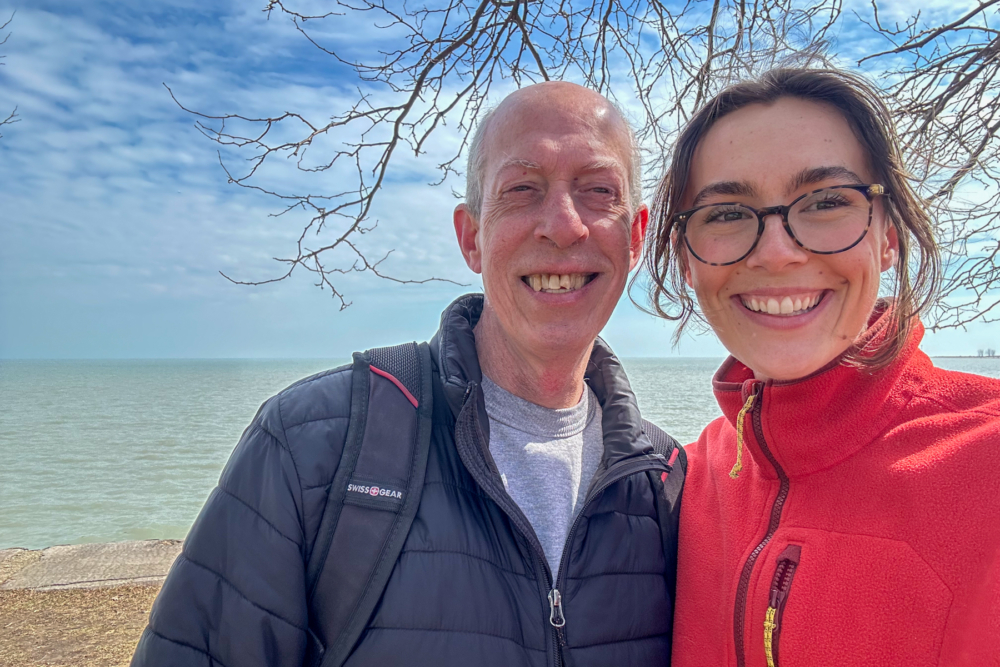
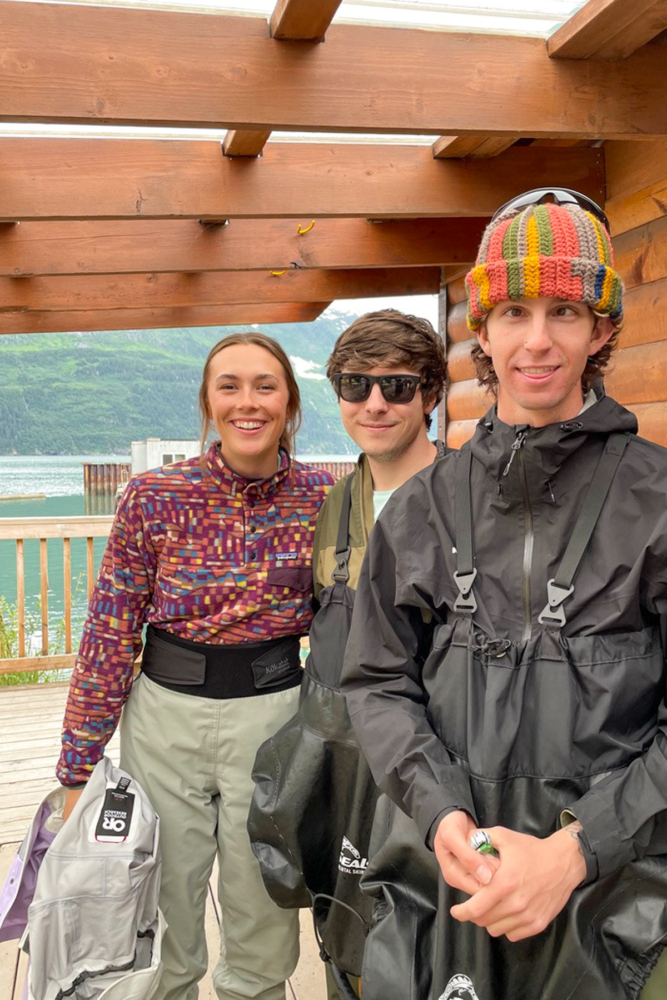
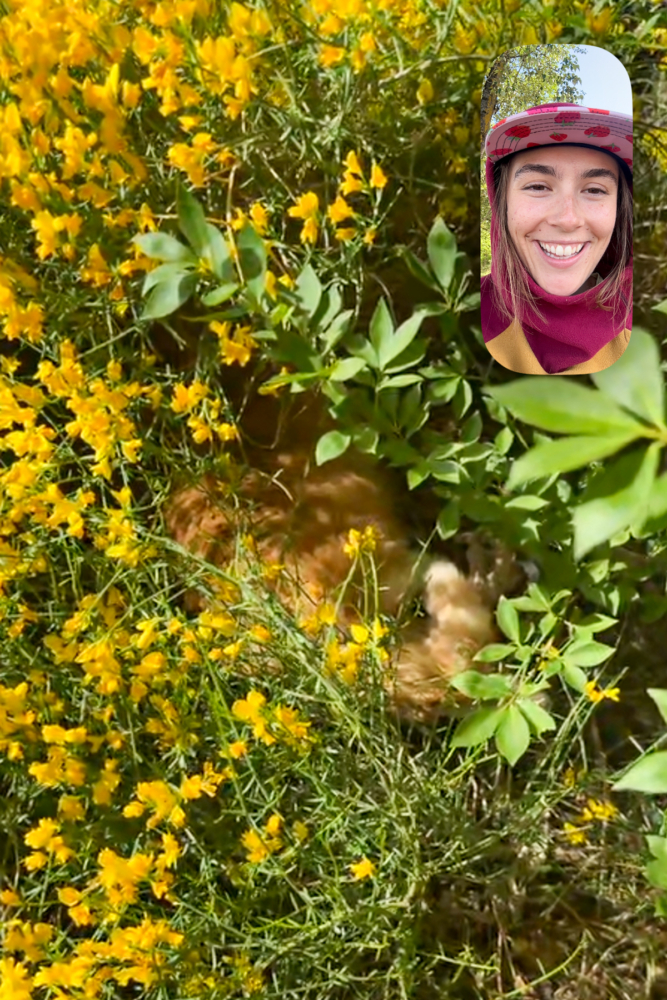
They’ve been there to spur us on, celebrate each grant, and calm the nervous jitters before we launched. Early in the trip, we Facetimed Caroline’s mom to get the scoop about family life (especially kitty info) and to get a little bit of insight into life outside the river. It was scary to think about an expedition like this, especially as meager college students, but our parents were the support we needed to get this adventure off the ground and continuing.
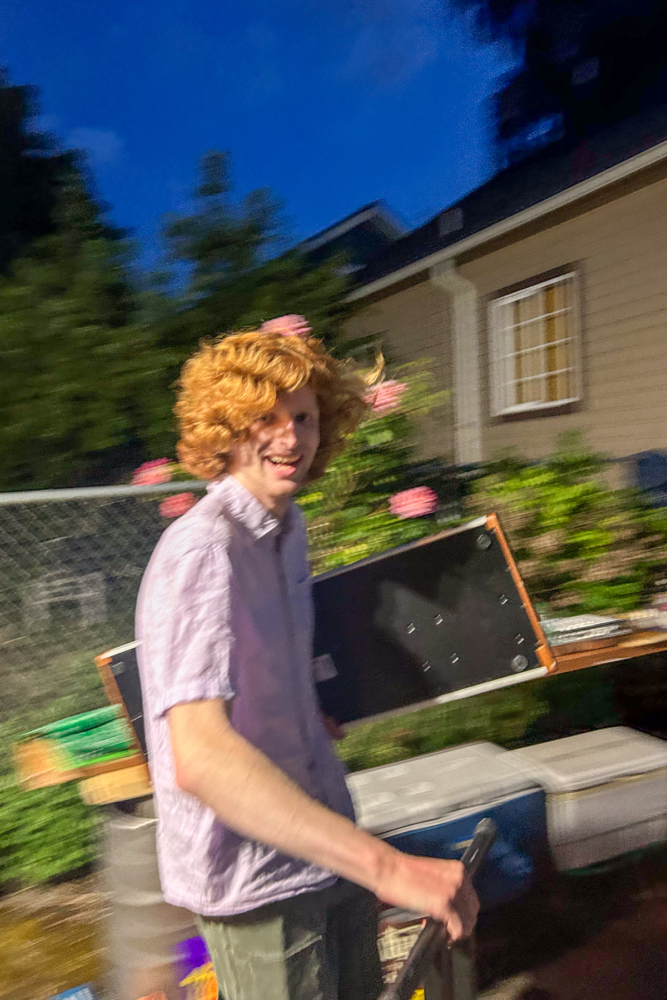
Our parents gave us reassurance, but our friends supplied a constant stream of stoke. We told our friends early on in the semester, and had many, many conversations about the trip and their involvement. Our friends Evan and Nat were both immediately excited, asking how they could help and when they could join us on the river for a little section of our trip.
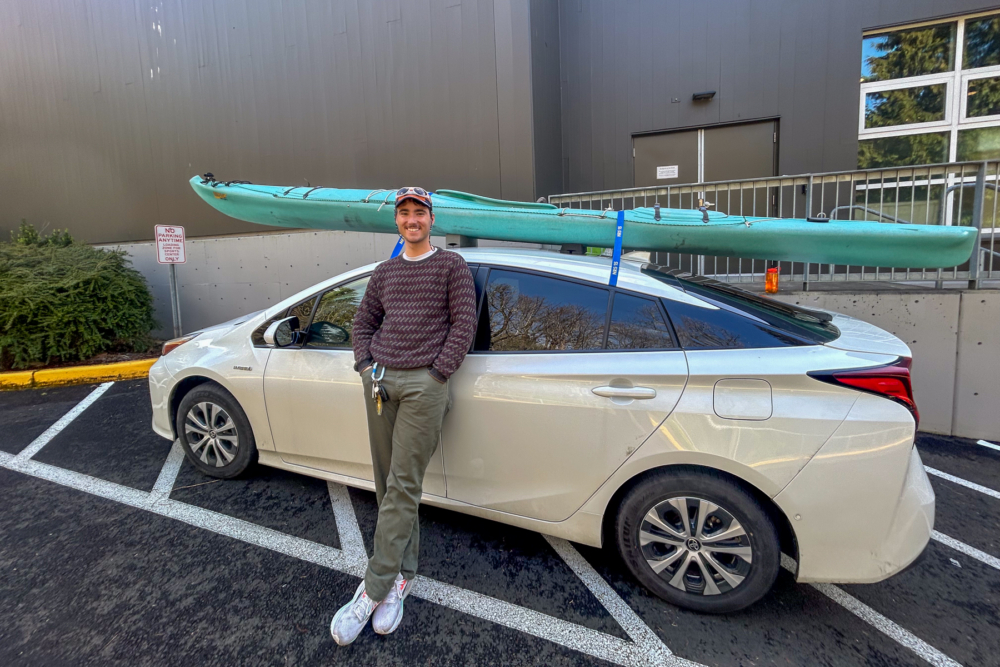
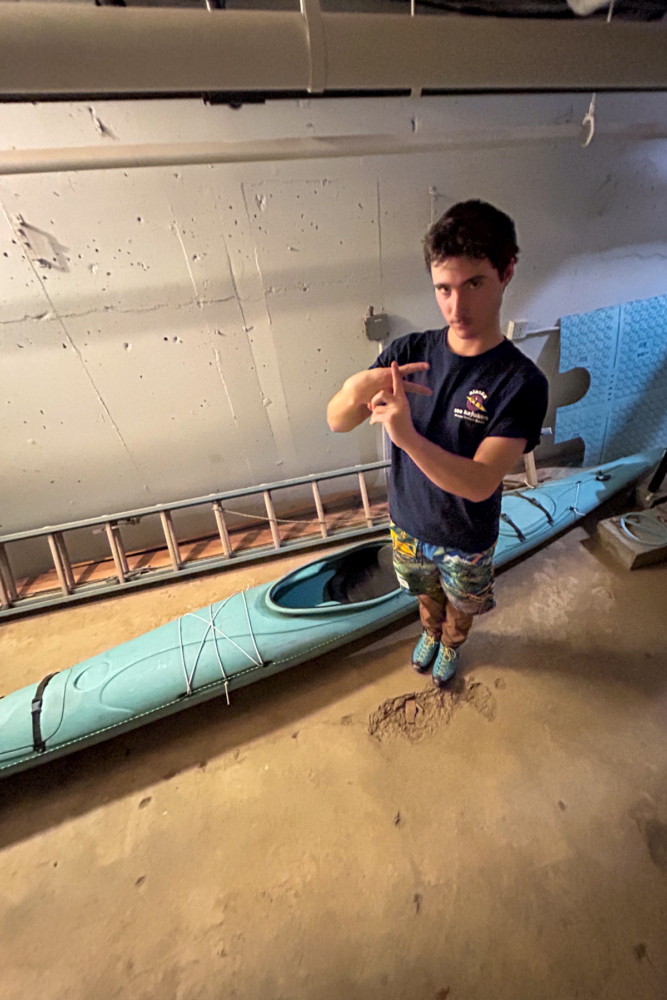
When Eddie was in the hunt for a kayak, Evan (a fellow sea kayak and raft guide) helped us find and later fit a seventeen-foot-long sea kayak onto the top of Eddie’s Prius (sans roof rack). The straps hummed along the Sellwood bridge as we talked strategy for where to store the boat, what upgrades it needed, and possible names. We eventually ended up storing the behemoth kayak in the basement of the Reed College sports center, under the pool. It just barely fit through the doors at a very particular angle.
A couple days before our trip we got coffee with our friend Nat, who had just graduated, at a local coffee shop. We were excited for his new start as a battery chemist and talked about the future, kayaking, climbing, and plans for meetups. He was stoked to help us with food drop-offs, even offering to camp with us along the way, and anything that we may need that we hadn’t yet thought of.
While our friends and family supported us from a more personal side, our professors helped us with grant logistics, research, sources, and connections. Eddie’s advisor Chris Koski helped us navigate environmental studies grants meant for a “more traditional” internship. Caroline’s advisor, Sarah Wagner-McCoy helped us navigate language choices for grants, and dug into the language bound up within our expedition. Environmental history professor Sarah Sears encouraged us to reach out to potential partners, gave us great advice for how to navigate a large project, and even joined us for a day on the water.
And lastly, Will Symms, whom we both work for during the school year, helped us store our kayaks, rent extra gear we needed, and gave us very helpful tidbits of advice for the river. Of course, there were way more supporting hands in this project than even just these folks. Our little college community of friends, professors, staff, and admin came together to help get our project off the ground.
Unpredictable Community
Early on in our trip, we realized that Eddie’s boat really liked turning to the left. Like, a little too much. In heavy winds and raging tides, he’d have to use exclusively sweep strokes on one side of his kayak, and as a fervent no-rudderer, that was a major problem. Analyzing the kayak one evening, we realized the nose of his boat was bananaed to one side. How we didn’t notice that before is beyond us.
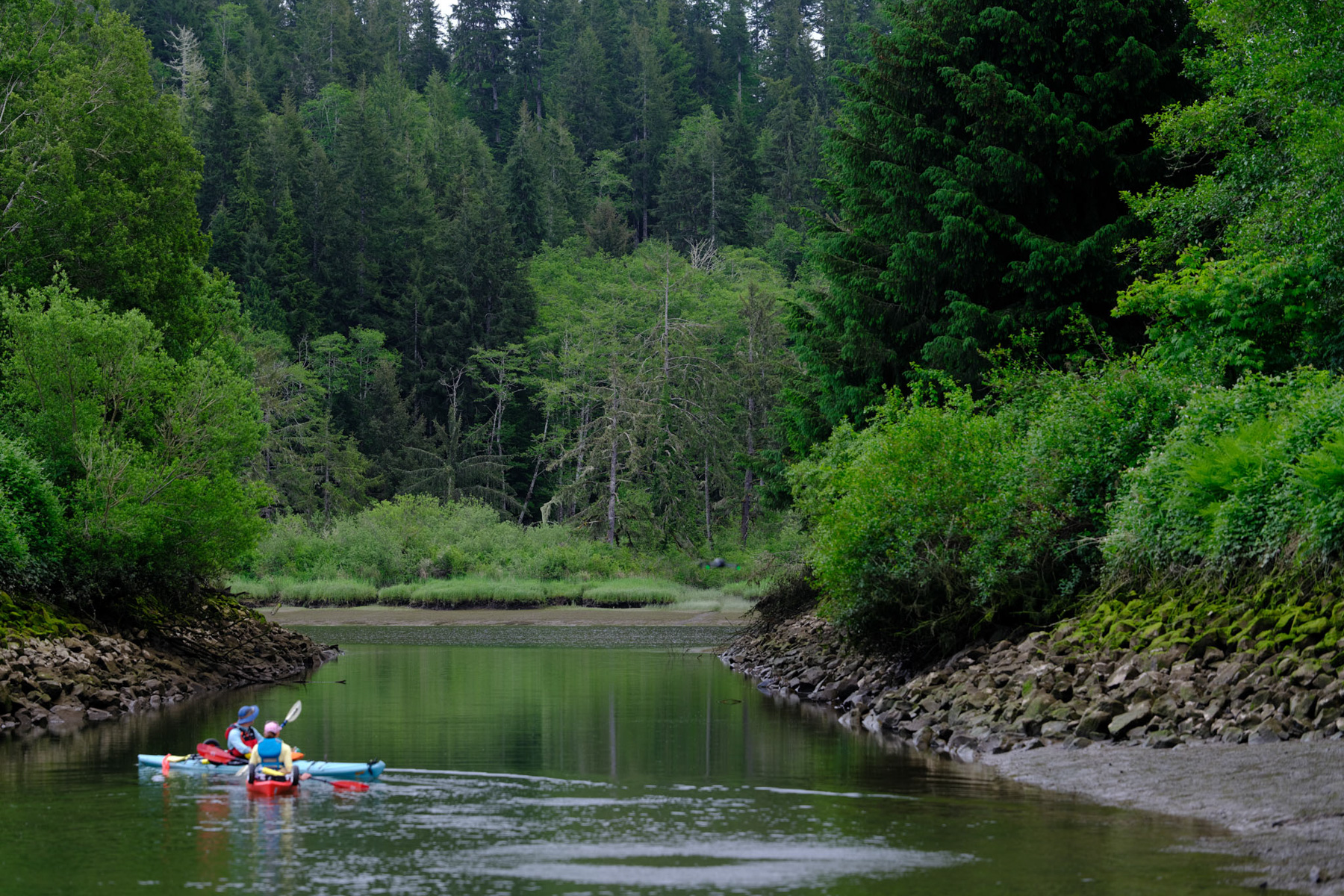
Usually, this would have been a major predicament, but luckily there was a kayak shop in the first eighty miles. So, after a week, we pulled into Scapoose Bay to visit our friends at the Paddle Shack. When we arrived, we expected a certain level of scrutiny. Too often, outdoor gear shops mistake condescension for expertise. We braced ourselves for the inevitable: “You paddled eighty miles before noticing this?
But when we showed up, they immediately came to help. Instead of questioning why we were attempting such an ambitious paddle, they wanted to hear about it and even gave us a discount on Eddie’s favorite sea kayak: a P&H Delphin. By that afternoon, we were heading upstream again.
The kindness of strangers is a beautiful thing. When in the depths of an expedition, sometimes there isn’t a family member, friend, or professor you can lean on. You can extol the virtues of self-reliance and autonomy as much as you want, but sometimes, in your darkest hour, a kind stranger becomes unexpected salvation.
After a thirty-mile paddle day near the town of Clatskanie, OR, we were utterly shwackled. The sun was setting, and our planned campsite sat on the river’s opposite shore, but high winds and crashing waves prevented us from making the crossing. Scanning the shoreline, we had two options: A) trudge our way through thick marsh and hope to find a place to pitch a tent, or B) land on a little dirt boat ramp and hope it wasn’t private land.
We tried option A. Nope. Not even a chance. The marsh was too thick, and the mud was too deep, so we set our sights on the boat ramp. Just as we pulled our boats ashore, a man with long gray hair jostled down the hillside, informing us that, yes, this was private land, but sure, we could camp nearby. He was a paddler too, and one look at our weary faces told him everything he needed to know.
He let us camp below an apple tree on his front lawn. We swapped adventure stories all evening before tucking into our tent. Being only the third day of our expedition, we realized this might not be the last stranger who would save us from an uncertain fate.
It happened several more times throughout our journey, but never as spectacularly as at the base of the John Day Dam. We had pushed ourselves to the brink. The wind was blowing thirty miles an hour, the waves were crashing hard, and the sun had baked the canyon to nearly one hundred degrees.
Dehydrated, sleep deprived, and aching from a month of paddling, we had lost all our fun tickets. Under the pounding sun, we made landfall on a beach below the dam and headed for cover, tucking ourselves beneath the shade of a low, scraggly alder tree. When we went to drink some water, Eddie immediately threw it back up from heat exhaustion. We had emptied the tanks that morning and were obviously going nowhere. We tried to cool ourselves off, but in the baking heat we were suffering, exhausted, and sunburned.
Then we noticed a massive cottonwood tree just down the beach, replete with shade. Beneath it a bustling family had a cooking setup, multiple tents, and even a TV tuned to the World Cup. One of the men wandered over and offered us a beer, which we humbly accepted. Soon they were offering us food, soda, and a place to sit. We could feel our bodies soak up the cold drinks like desiccated sponges.
I don’t know what would have happened if they hadn’t been there. Would we have languished beneath the alder? Been forced to call for rescue? We’ll never know. What we do know is that their generosity, and their rice pilaf, tomato salad, fried fish, and cold drinks, undoubtedly saved our bacon.
The Village You Build
As should be obvious by now, our expedition would not have been possible without our community. Whether we knew beforehand that we would lean on them, or if they came into our life at the right time, we are enormously thankful to them for all that they have done with and for us. It definitely wasn’t the prettiest of planning, nor the most strategically perfect adventure. But with lots of love, stoke, questioning, and community, we made it happen.
Expeditions are often remembered by the people in the boats. Ours will always be remembered by the people standing on the shore, waiting at the takeout, fixing a crooked kayak, sharing a meal, or simply reminding us we weren’t alone.
***
Editor’s note: In June 2026, Reed College students Eddie Newsom and Caroline Menten paddled more than 150 miles upstream on the Columbia River, from Rainier, Oregon, to Oregon’s high desert, following the migration of the Columbia River Summer Chinook Salmon—the legendary June Hog. Wish them luck as they continue their journey upstream!
Guest contributor Eddie Newsom is a senior environmental studies major at Reed College and a summertime kayak guide. When he’s not on the water, he loves climbing volcanos, pickin’ banjo, and organizing trips for his college’s outing club. You can’t follow him on social media, but if you’re lookin’ for him, he’ll be on the river!
–
Guest contributor Caroline Menten is a senior English literature major and environmental humanities minor at Reed College. A sea kayak guide in Prince William Sound, Alaska, She loves to explore the trails, climbs, and paddles of the Pacific Northwest whenever she doesn’t have her nose deep in a book. Sometimes, Amitav Ghosh is best read from a tent!