I’m about to admit something shameful.
Last year I “almost” created a bot to steal a river trip from you.
Please let me explain. I had just subscribed to the paid version of Anthropic’s Claude, and naturally I wanted to see what it could do. I’d run through all the usual requests: “Hey Claude, create a workout routine.” “Hey Claude, plan my vacation.” “Hey Claude, write a river-running article.” Then I realized there was something Claude could do that I definitely could not: write code. The last computer code I wrote was a never-ending string of “Hellos” that might still be running on some forgotten Commodore 64 to this day.
Suffice to say, I’m not techy. But Claude is.
One day, I typed in the prompt: “Build me a bot that will find river permit cancellations.” Suddenly lines of code started spooling out and cascading down my screen. It was like a genie in a lamp: “Your wish is my command.”
Actually running the code came with obstacles, though. First, I had to install something called Python and then type commands into a black window, the kind you see in hacker movies. Then, I had to buy a key. It was enough friction to make me quit.
I was never really serious about the project, more curious if it was possible. My answer: yes, even by me.
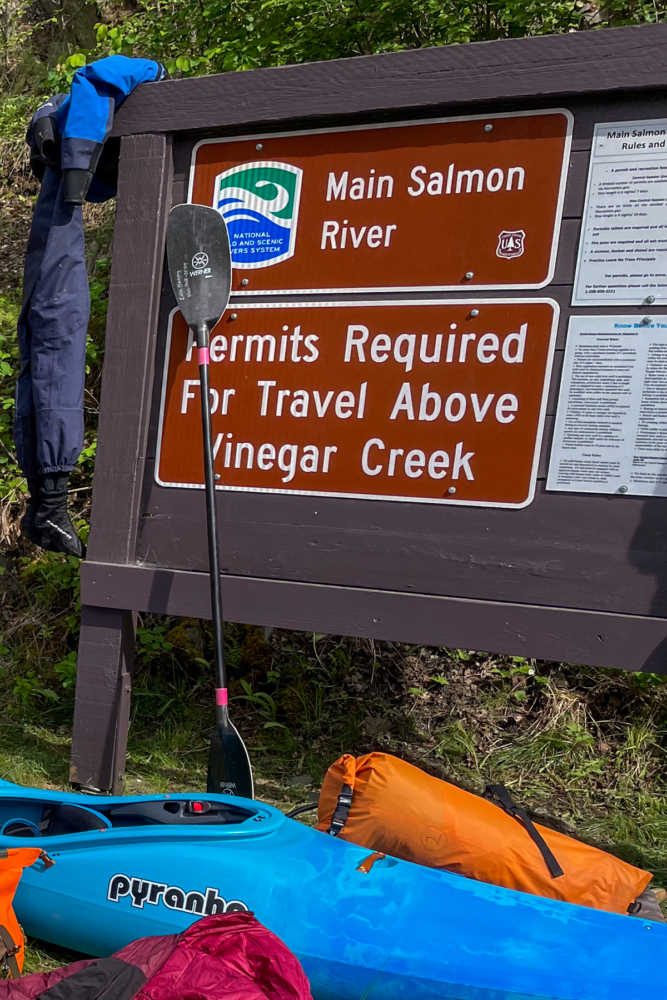
Most river runners will not be surprised by my confession. In the outdoor community, bots are an open secret. On Mountain Buzz, a river-running internet forum, people openly offer to run bots that scrape for cancellations, or share code for fellow “Buzzards,” as they’re called, to build and run their own. In a Wired magazine article about the Recreation.gov permit system, a man named “Jack,” in an experiment like mine, claimed to have nabbed a Main Salmon permit, a San Juan permit, and two (yes, two) Middle Fork of the Salmon permits.
It probably should come as no surprise that people will game the system to secure increasingly coveted river permits. But what is something of a surprise is that the federal government has taken notice.
On Sept. 17, President Donald Trump issued an executive order titled “Reinvigorating America’s Hunting Heritage.” Much of the order deals with hunting and fishing rules and access, but according to the White House fact sheet, it also directs the Secretary of Agriculture to “review and reform high-demand Forest Service-administered river access lotteries to prioritize United States citizens and prior applicants who haven’t previously received access via lottery, and to prohibit automatic computer entries.”
The Secretary of Agriculture has 60 days to review the lotteries and begin reforming them. That means by Nov. 16, the Forest Service has to start rethinking how we get onto its most coveted rivers, including shutting the door on bots.
There are two catches for river runners: The order only covers Forest Service rivers, like the Middle Fork and the Main Salmon, not BLM rivers like the San Juan. And it targets automated entries into the lottery, not the cancellation-sniping bots the Buzzards run.
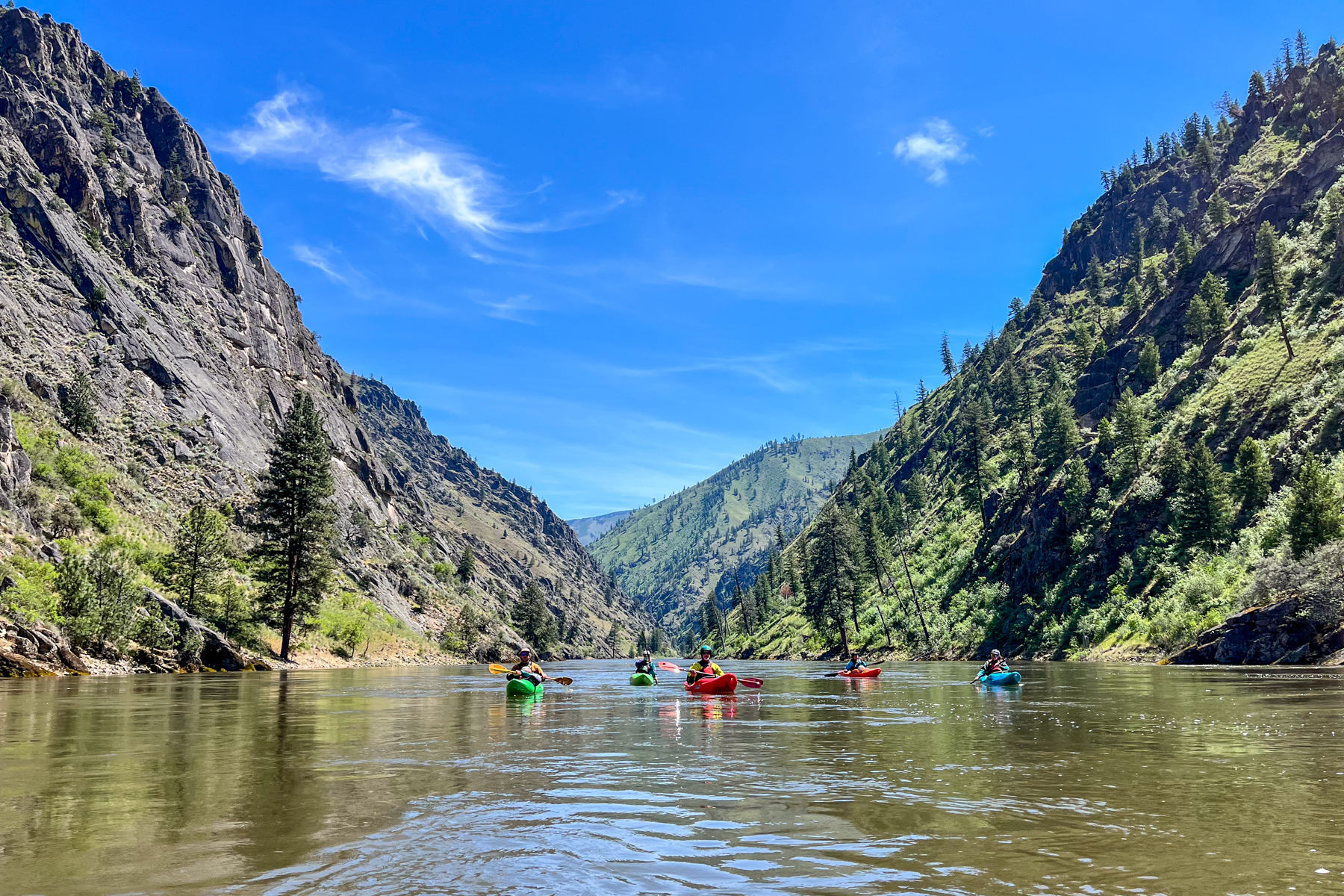
So, what could these proposed changes mean for my fellow permit seekers? While my internet sleuthing hasn’t turned up any certainties on what the future looks like, I have come across a few options being bandied about on internet forums.
The first could be called business as usual. When the lottery opens this winter, roughly 20,000 of us will apply for a launch on the Middle Fork of the Salmon and cross our fingers. Each of us, from the person who has won 15 times to the person who has never won, will have the same random chance: under 2%. Come Valentine’s Day, when the results come out, many hearts will be broken again. And on March 16, when returned and cancelled permits go back up for grabs, fingers will be broken as people frantically try to out-click a swarm of permit-grabbing bots and fellow river junkies.
Another option floated online is a preference point system, in which people earn points when they aren’t chosen in the lottery. It could take two forms: capped or uncapped.
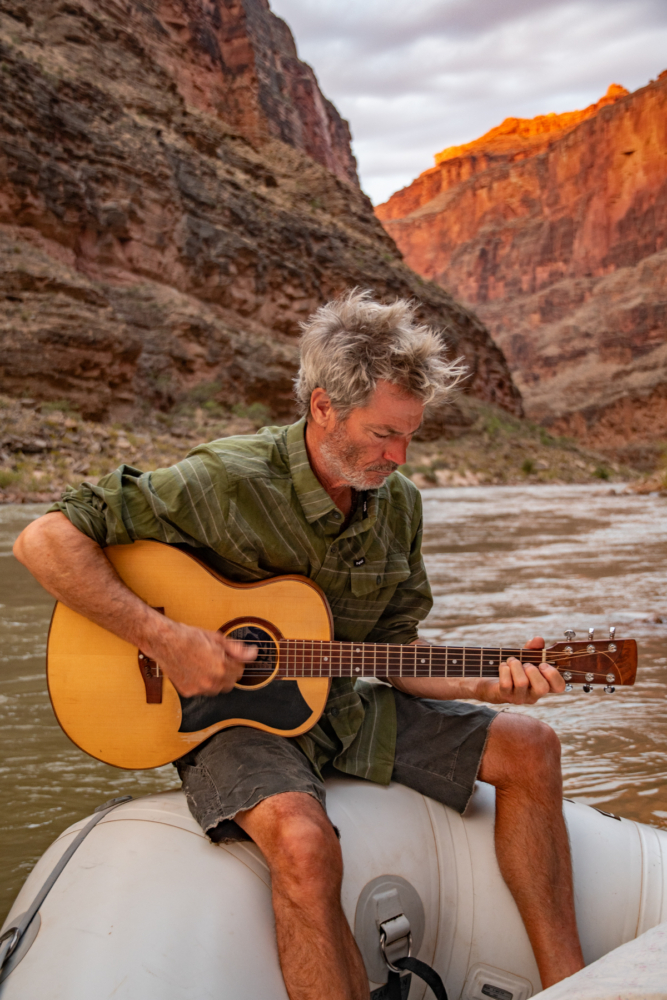
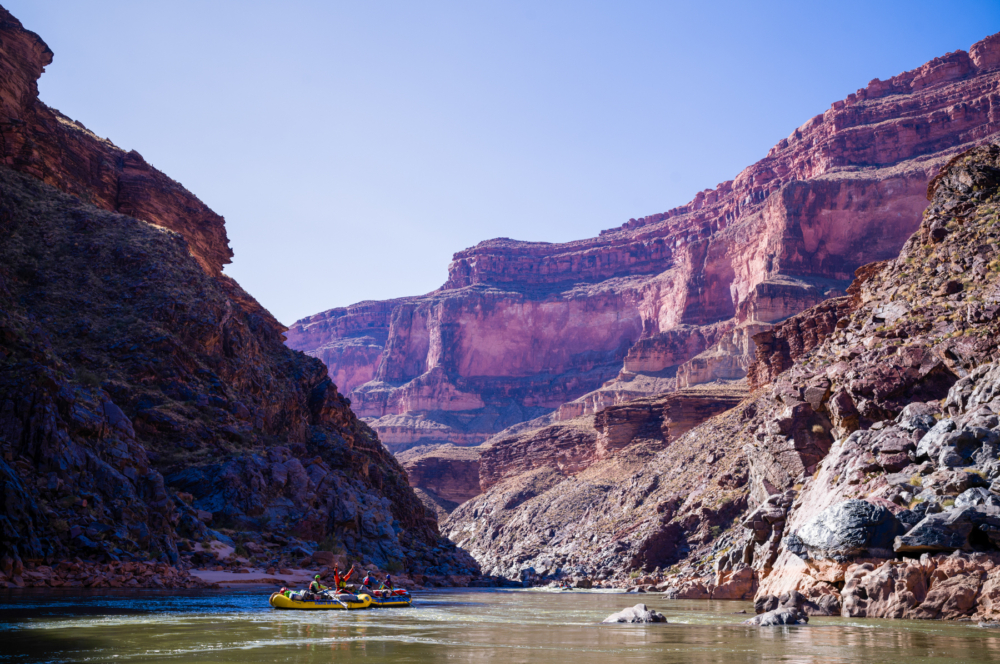
The lottery to float the Colorado River through the Grand Canyon uses a capped system. Everyone starts with five points. If someone draws a launch date or floats the river with a private or commercial group, their points reset to one. Each year they stay off the river, they earn another point, up to a maximum of five. Each point is another ticket in the drawing. The Grand Canyon system also sends unused permits back into follow-up lotteries, so there’s nothing for bots to snipe.
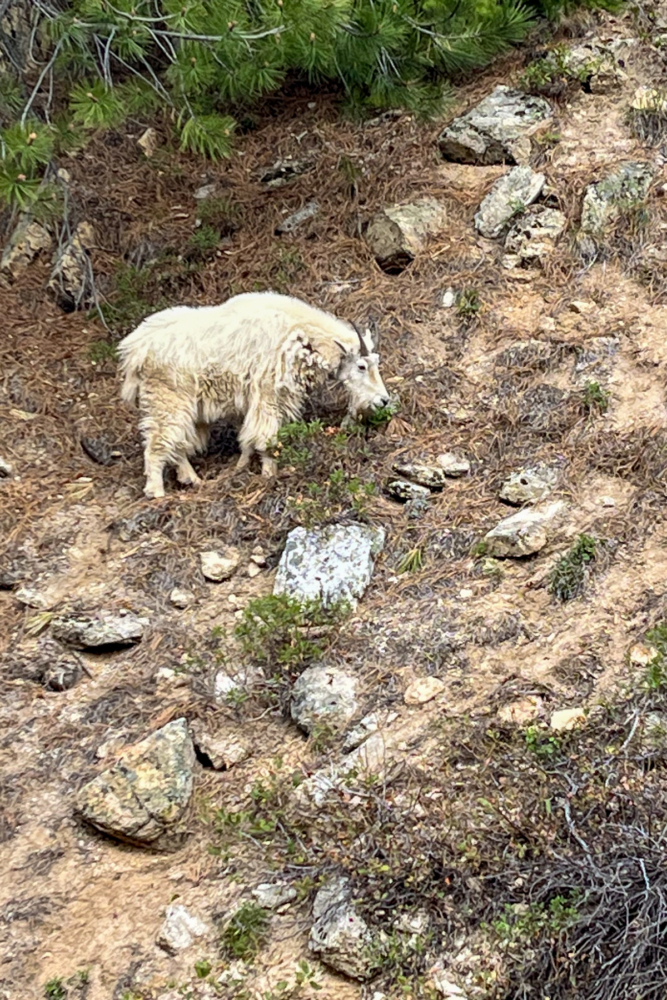
Many limited-draw hunting licenses use an uncapped preference point system. People still earn points when they are unsuccessful, but there’s no limit on how many they can accumulate, and the applicants with the most points draw first. Some states even let you buy a point in years you don’t apply for a tag. A third, “hybrid” system, combining a random drawing with a preference system, gives new applicants a chance while still favoring the people who have built up the most points.
So, would one of these options fix the river permit system? No, probably not. But to be fair, there isn’t a way to “fix” the system. Whatever the new plan is, it’s unlikely to increase the number of permits or decrease the number of people applying. What it will change is who gets the permits, and how long the rest of us wait.
By my rough math (actually, Claude’s math), under the current system a first-time applicant has about a 16% chance of drawing a Middle Fork permit in 10 years of applying. Surprisingly, a capped system like the Grand Canyon’s would nudge that up slightly, to about 17%, because newcomers start with the maximum points and recent winners drop to the back.
A hybrid system that gives half the permits to the most points and draws the other half at random cuts a newcomer’s odds to about 8%. And in an uncapped system, a newcomer’s chance of drawing in the first 10 years is essentially zero. With 20,000 people in line for 351 permits a year, the back of the line is about 57 years from now.
The plus side of the uncapped and hybrid versions is that you will draw a permit someday. It just might be your grandkid’s “someday.” And although tweaking the preference system likely won’t help me draw a Middle Fork permit, that doesn’t mean we can’t improve the process.
One suggestion I came across, apart from changing the preference system, was a stiffer penalty for unused permits. River runners have long complained about permits won and wasted when winners don’t cancel in time for the launch to go back to the public. This happens far more often with campsites than with river launches, but it does happen.
Right now, the Four Rivers lottery, which covers the Selway, the Snake, the Middle Fork and the Main Salmon, bars anyone who cancels late or doesn’t show from holding a permit or applying on that river for three years. Some have suggested raising that to five. Along with a new preference system, the Forest Service could also check the ID of every participant, not just the trip leader, and cross-check them against cancelled permits. That might be a big ask, though, given the staffing cuts that have already burdened river rangers and administrators.
Which leads to something the order doesn’t touch. Money seems tight for the Forest Service, yet plenty of us “donate” at least $6 per river a year. So where are our entry fees going?
This is where I found the most agreement about what needs to change. Many people feel that Booz Allen Hamilton, the company that runs the Recreation.gov website, is profiting off the system without improving it. When we pay our $6 lottery fee, we assume it goes to the river or to needed river improvements. But that’s not necessarily true. The fees go to the U.S. Treasury, which pays the contractor and gives a share to the agencies.
Exactly how much Booz Allen makes per transaction is hard to say, because the Forest Service redacted those figures as “proprietary information” when reporters asked. Booz Allen billed the government $140 million from late 2018 through 2022. On some high-demand lotteries, like Angel’s Landing and Half Dome, Recreation.gov keeps more money than the park does. This because the contractor (Booz Allen) is paid for every application, while the park is usually paid only by the winners.
Frustration has spilled into the courts and Congress. A 2023 class-action lawsuit over “junk fees” was later dropped. Senators from both parties have pushed for more transparency, and a bill calling for an investigation into Recreation.gov’s fees passed the Senate in 2024 but stalled in the House.
None of this is in the new executive order. If the Forest Service is going to rewrite the lottery anyway, it could also show us where our $6 goes. Most of us would feel better about losing if we knew that our loss was the river’s gain.

The general consensus is that the current river permit system isn’t great. But there is also fear that it could become worse. It’s the devil you know vs. the one you don’t. And it would be one thing if we, as river runners, had a say. But because the part of Executive Order 14429 that deals with river permits and access lotteries is considered internal agency management, there is no guarantee of a public comment period.
Still, we need to use our voice. If you have a strong opinion on the potential changes, tell your river friends, or email Secretary of Agriculture Brooke Rollins and Forest Service Chief Tom Schultz.
Together, let’s share the rivers and ban the bots.
***