A New Twist on Exploring A Canadian Classic
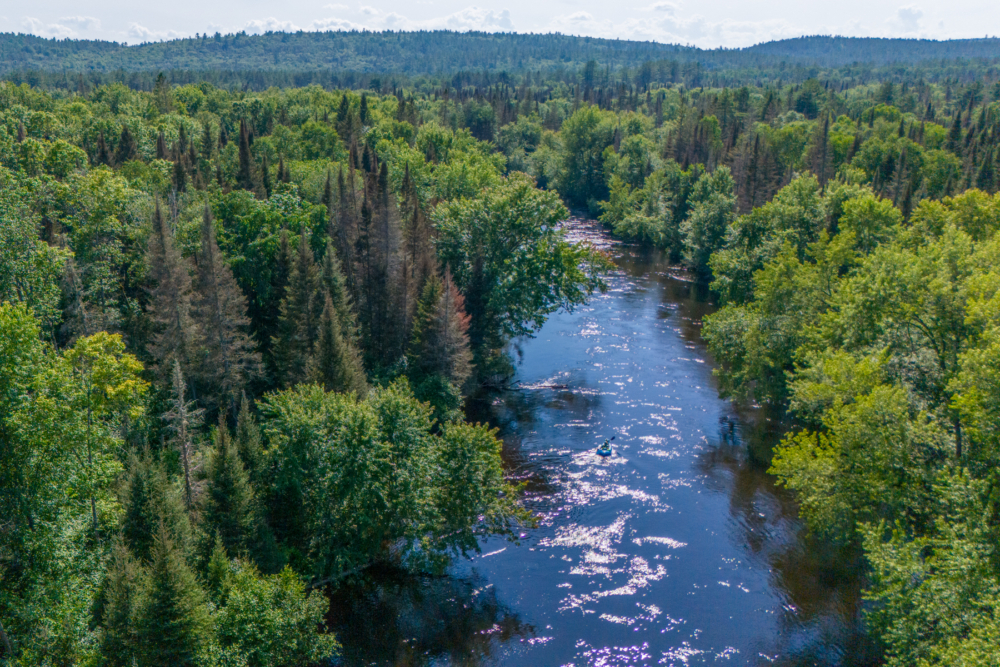
I’m excited to be back on the water, embarking on another backcountry adventure. This time, I’m on the Noire (Black) River in Quebec—a world-class multi-day river that I’ve never paddled before. The Noire River is one of the big three rivers in Quebec that canoe trippers from around the globe dream of paddling, along with the Coulonge and the Dumoine rivers.
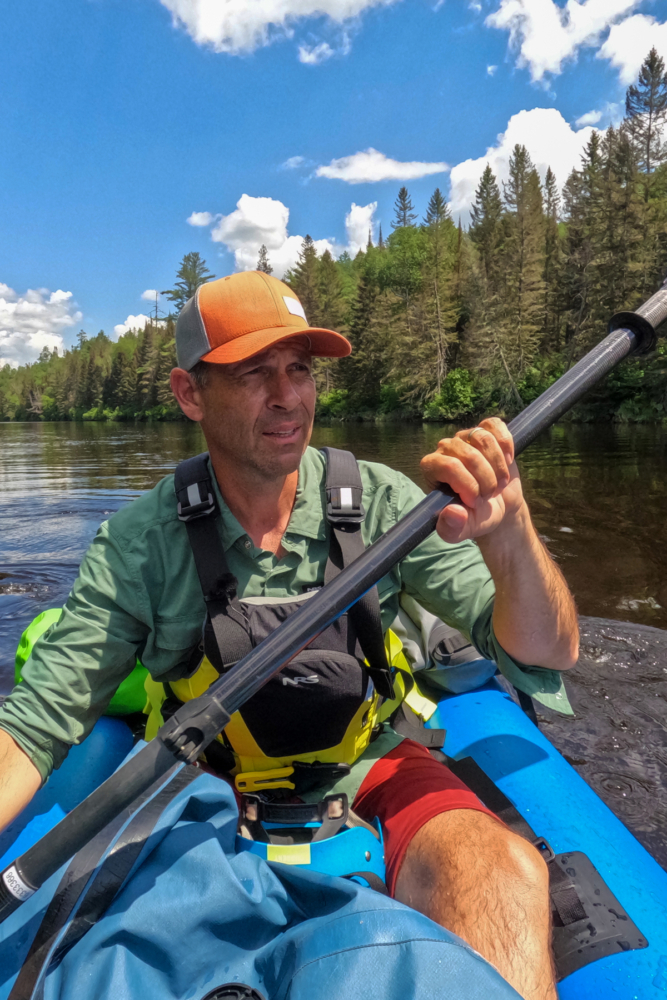
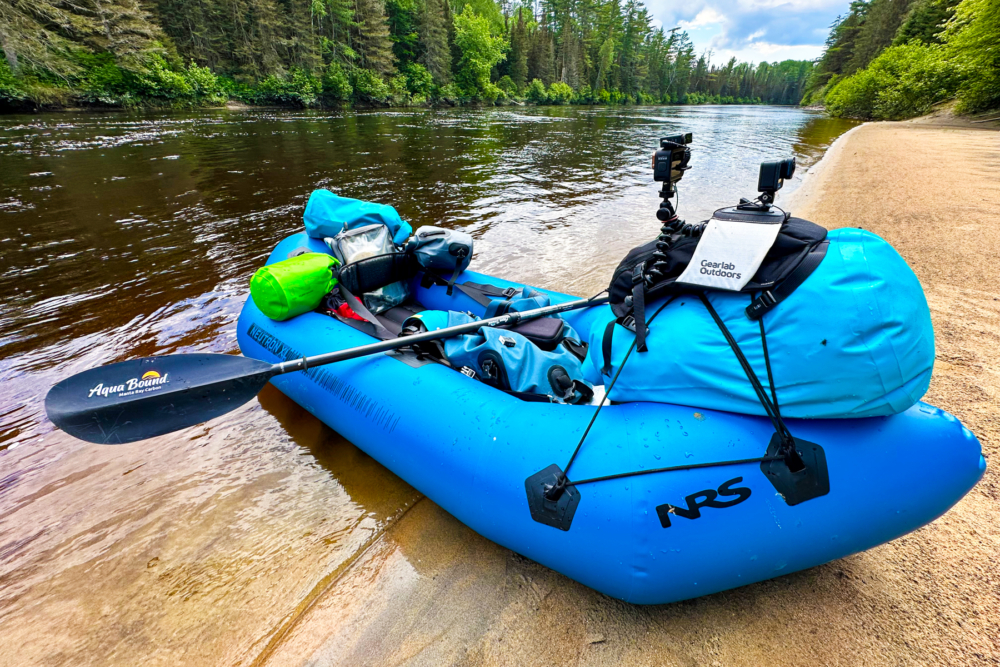
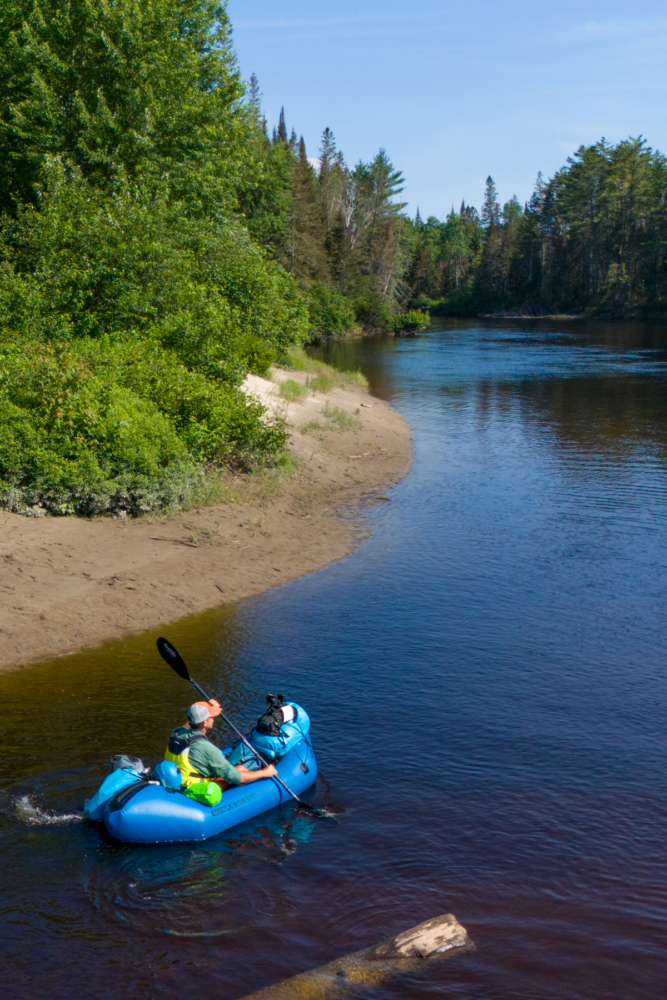
I’ve had the pleasure of paddling the Dumoine on a seven-day trip earlier this spring and have done some day-sections of the Coulonge, but this is my first time on the Noire. However, here’s the twist—I’m not tackling it in the traditional fashion. Instead of using a canoe, I’m exploring these new waters with a packraft. More specifically, I’m using the new NRS Neutron Packraft, and this will be my first multi-day adventure in this type of craft.
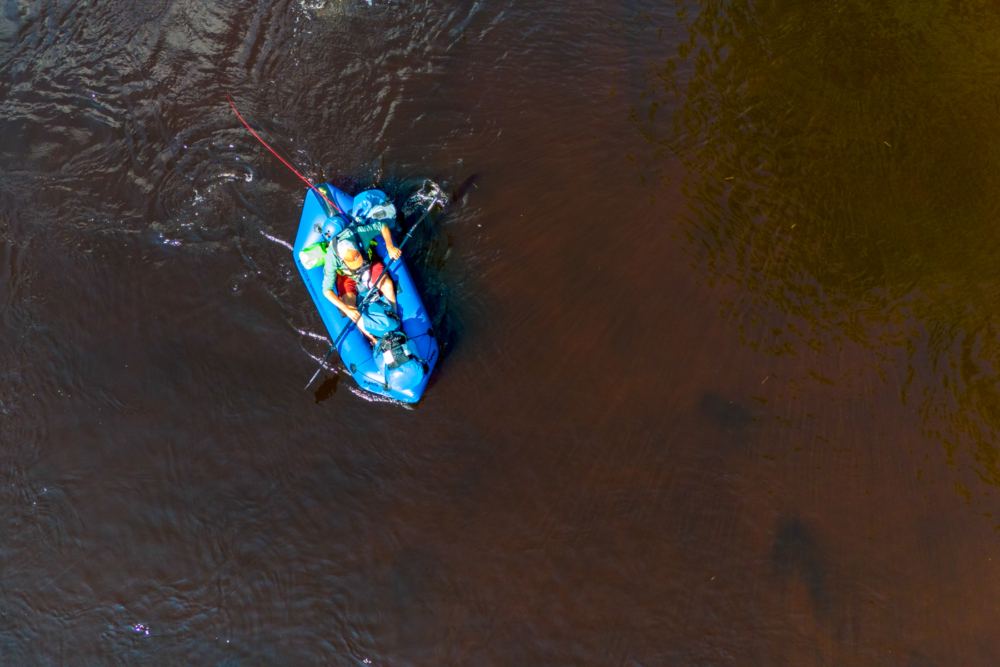
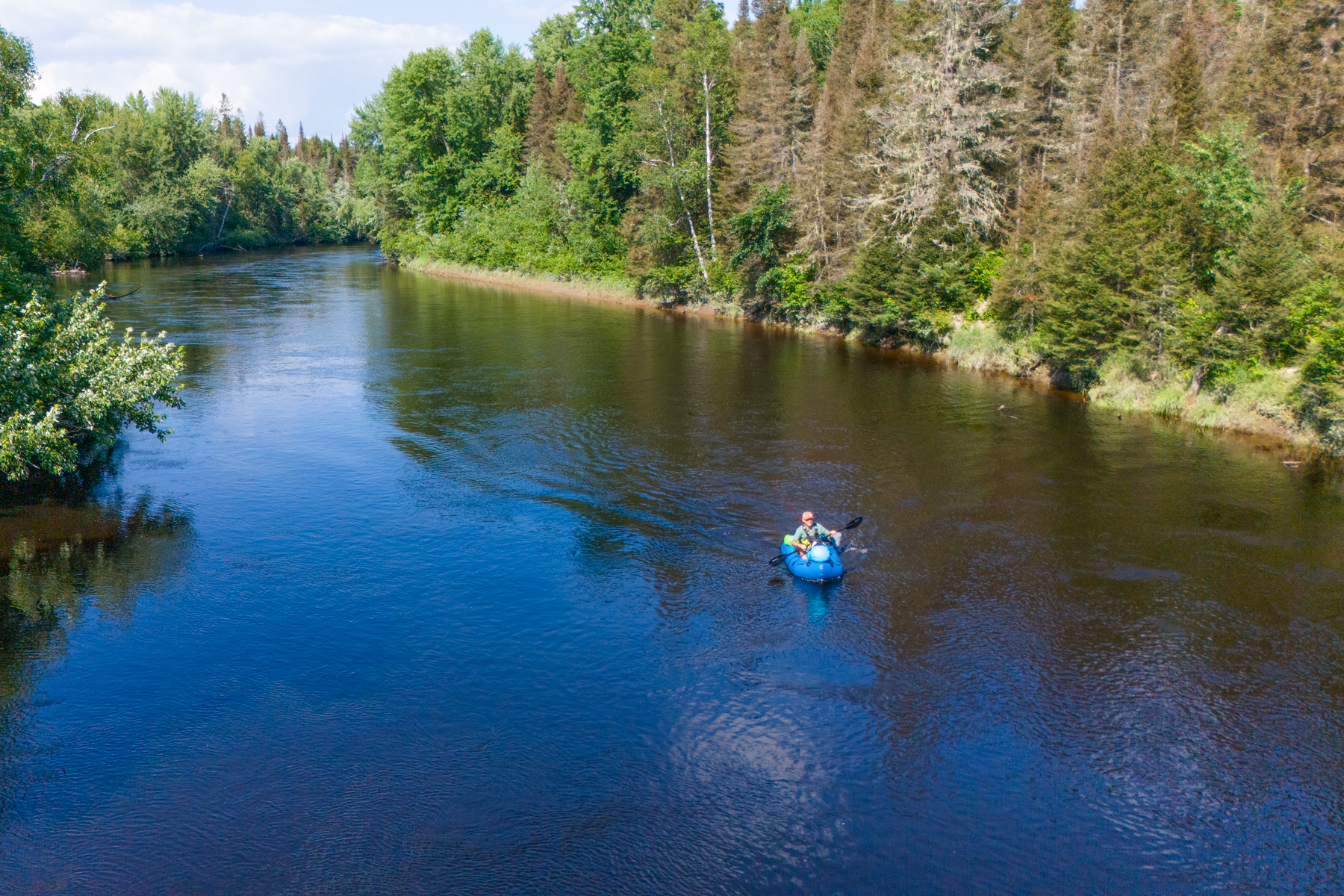
The Noire River is known for its mix of flat \water and runnable rapids, which I’m hoping makes it an ideal place for a packraft adventure. I’m starting at km 72, and my plan is to cover about 16 kilometers each day, for three days, to arrive at the take-out at km 25. The river isn’t low, thanks to some mid-season rains, and so I think I’m in for a fun ride.
Packraft Lessons Learned
Despite years of paddling kayaks and canoes on multi-day and day trips, the first day was a bit of a learning experience. Twice, I found myself standing on the shore, watching my gear float away. The big lesson here? Tie your gear down! It’s easy to get complacent with a packraft’s open cockpit, especially when you’ve got lots of gear for a camping trip. And of course, everything should be in dry bags—no exceptions.
Another thing I learned is the importance of packing smart. Unlike a canoe, where gear is easily accessible, packrafts require a bit more thought. Heavy or bulky items—your tent and camping gear—are perfect candidates to pack in dry bags inside the tubes of the packraft before inflating. Anything you might need during the day—water filter, snacks, first aid kit—should be kept outside the boat in a dry bag. You don’t want to be deflating your boat mid-day just to get to something you’ve stowed inside.
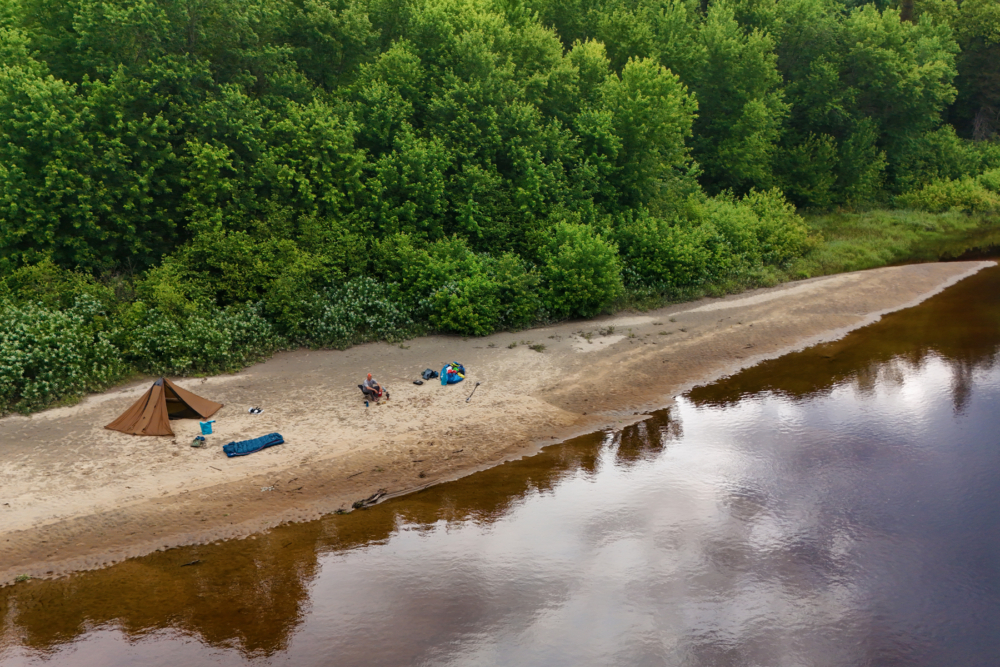
Still, after a good stretch of paddling, I found a campsite that was too good to pass up. Sure, I could have kept looking for a better spot, but this one had everything I needed. As the sun began to set, I settled in, cracked open the only beer I brought on the trip, and enjoyed a hot and humid, but wonderfully peaceful evening.
A New Day on the Noire River
The second day greeted me with overcast skies, which I was totally down with after the sun thrashing I’d received on the first day. The day’s agenda included more rapids, including the infamous 50/50, a Class III rapid that would get my attention. This section of the Noire River is known for its steady class I, II and III whitewater, and it didn’t disappoint. After 25 kilometres of relative flatwater, I welcomed the predictable flow and excitement of whitewater.
After working so hard to make it 16 km on the first day, I couldn’t believe how quickly I was flying through the miles on Day 2, thanks to the continuous whitewater. By early afternoon, I had already reached the campsite that I had in mind for the night. With only the summer’s heat and bugs waiting for me on shore, I decided to keep going.
A few hours of relaxed paddling and floating later, and I realized that I was only 8 km from the take-out. I decided to stay in the current and grab a campsite further downstream if/when the river slowed down. That slow-down never happened, and by early evening I had traveled over 30 kilometers to arrive at the take-out, stoked and hopefully a bit more prepared for my next packraft adventure.
Black River and the NRS Neutron Packraft
The Black River had proven to be an excellent testing ground for the NRS Neutron Packraft. It’s a versatile boat that can handle significant whitewater, but it does have its limitations, especially when it comes to big rapids without a skirt.
The Neutron is self-bailing, meaning water that comes in drains out through holes in the floor, similar to scupper holes on a sit-on-top kayak. But it takes time for that water to drain, and in the meantime, your boat is extremely heavy, which causes you to lose maneuverability. It’s something to keep in mind if you’re considering packrafting through more technical rapids.
But that’s all part of the adventure—embracing the unknown, learning from your mistakes, and pushing your limits. Whether it’s watching your gear float away or navigating a Class III rapid, every moment on the water is an opportunity to learn and grow as a paddler.
***
Photography courtesy of Ken Whiting & Heliconia Productions
Editor’s note: Text adapted from and first published on In4adventure.com.