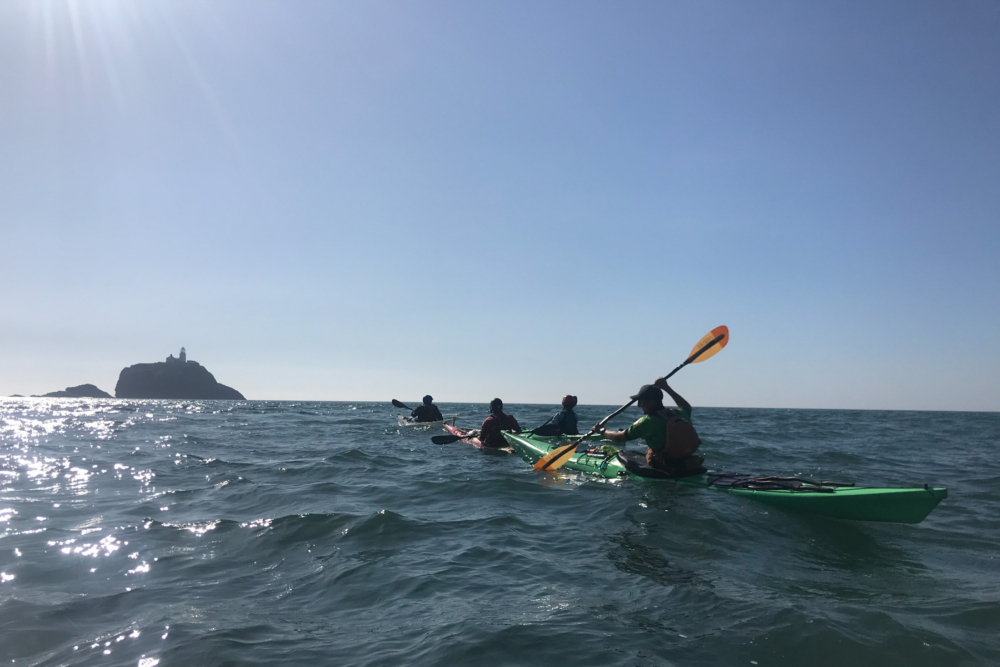
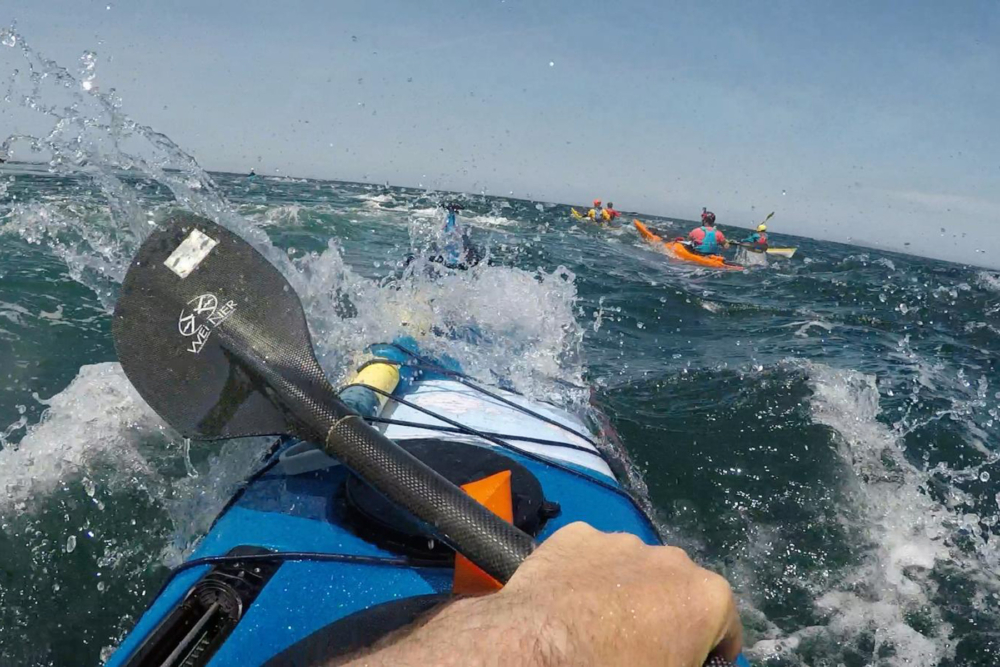
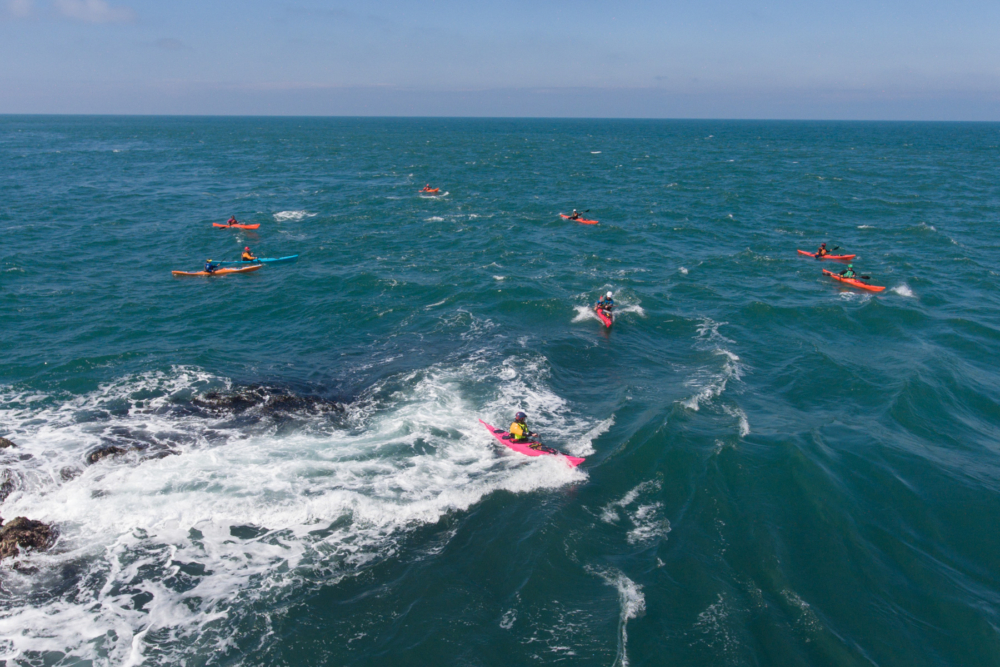
A mile off the Bishops and Clerks (a scattered cluster of islands off the far western edge of Wales), the morning looked perfect. A trio of brightly coloured sea kayaks travelled in a tight pack, enjoying the light breeze and polished swell that makes being on the open water feel like returning to a childhood neighbourhood. The forecast had promised benign weather, but as the group neared the second island and the point of no return, the feeling changed. The sea began to flex, the swell pulsing higher than predicted—a rolling tide race popping out in an unexpected location.
Ben Fothergill surveyed the scene from his kelly-green kayak. The veteran sea kayak guide and coach, raised on the wild shores of Wales, didn’t need to look at his instruments. The shift was subtle but unmistakable.
“My little situational-awareness dial went into the red,” he remembers. “Something’s not right. Something’s different.”
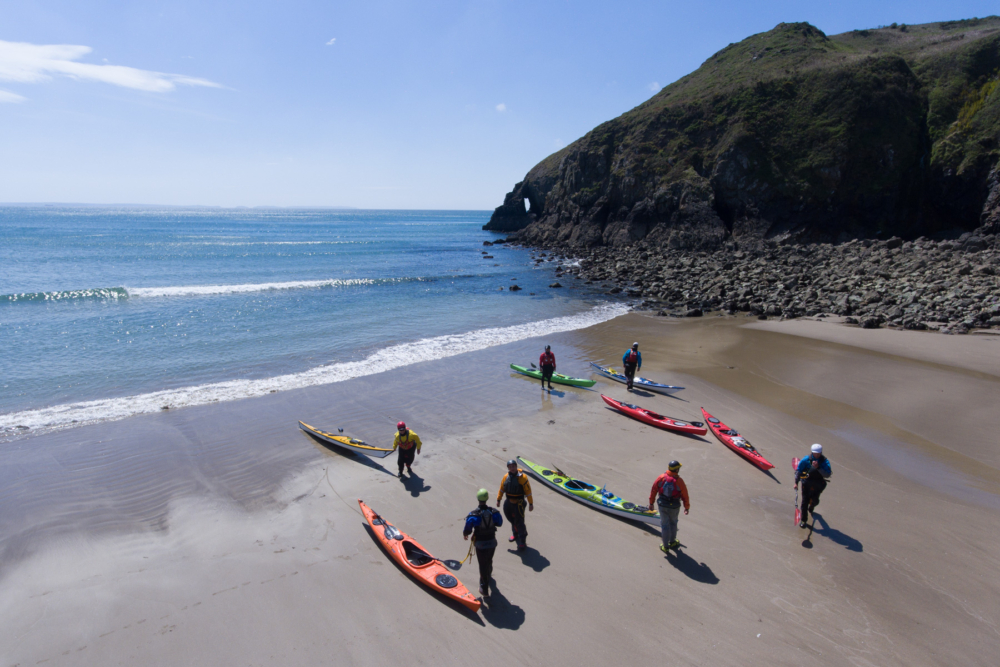
Fothergill was running an advanced leadership assessment that day with two highly skilled paddlers. They had planned a route in line with the forecast, but the Irish Sea disagreed and the assessment turned into a textbook example of the most important safety tool a sea kayaker has: the ability to observe, interpret, and respond to the salty world in real time. Fothergill calls it situational awareness.
“That disparity between what we had predicted and what we were seeing told us to go back,” he says.
* * *
Situational awareness is the art of staying alive, thriving, and ultimately, enjoying the challenges and rewards of being on the sea. Tide charts, nautical maps and weather models all matter, and knowing how to read them is a skill mastered over a lifetime. But they’re dull tools unless you combine them with the sharp skill of observation: reading clouds, swell energy, wind texture, bird behaviour, paddlers’ postures, and your own gut feelings.
Situational awareness is not a gadget that you can attach to the front of your sea kayak. It’s a human practice that is learned through direct experience.
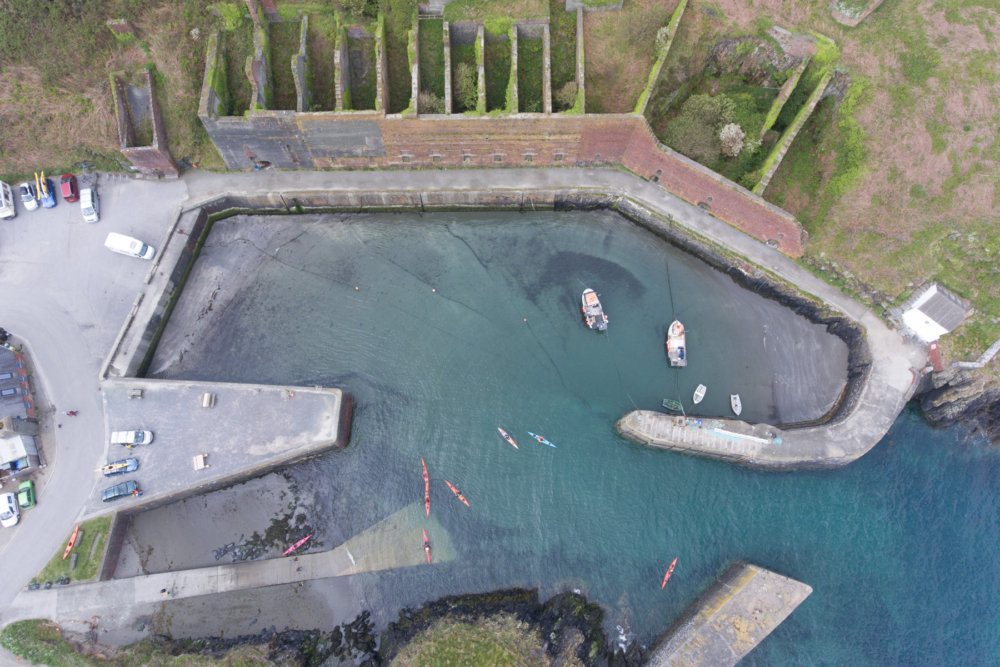
Fothergill’s on-water training—reading both the signs of the sea and the signs within—started long before he held a guide license. “I’ve spent my life playing in the sea,” he says. Growing up north of Aberystwyth, Wales, he split his childhood between beaches and mountain valleys. From an early age, the sea had captured his heart.
“As a kid, when we drove over the hills, as soon as I couldn’t see the sea, I felt uneasy,” he says. “Surfing, sailing, even river running… just being in and on the water helps you learn to observe and predict.”
With the Irish Sea as his backyard and his parents and grandparents as teachers, he learned about different environments by being in them. Surfing, specifically, deepened that bond and sharpened his instincts.
“Surfing taught me a lot about situational awareness… getting caught in rips, in storms, and how humbling and empowering it is to get yourself out of those situations.”
After studying ocean science at university and working in fisheries as a commercial diver, he took his understanding and experience on the sea and applied it to guiding. “When I first got into guiding, I spent a lot of time being reactive and I didn’t always share my observations with my clients, so I spent a lot of time rescuing.” Now, he focuses on communication and reading the (many) signs. “As a guide, we are psychiatrists, pairing the aspirations of what people want with the environment.”
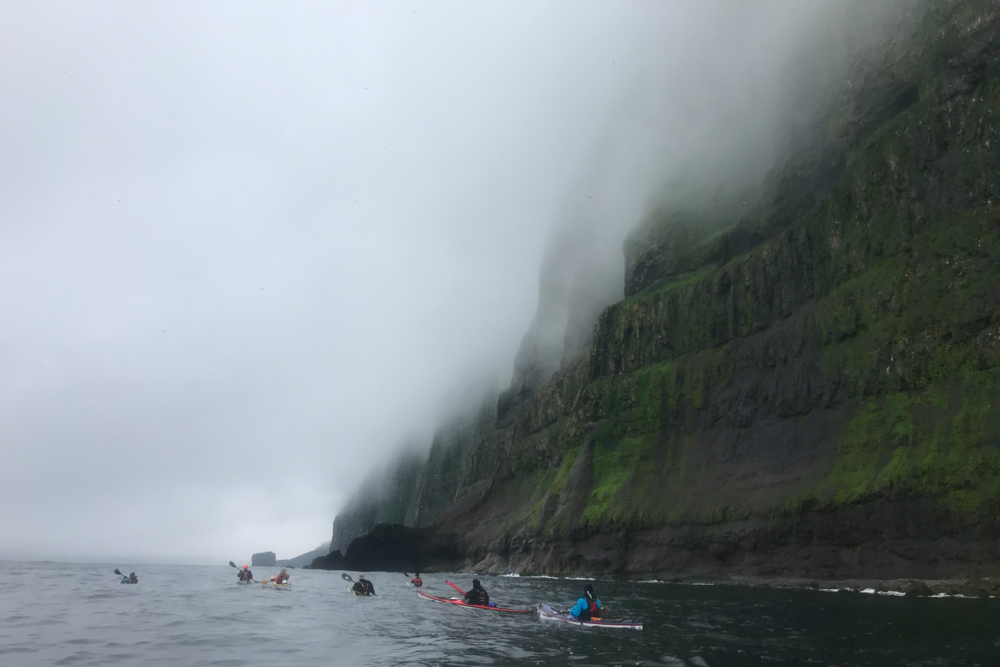
Today, Fothergill is one of the most respected sea kayak guides in Pembrokeshire, a place he calls “one of the best in the world for sea kayaking.” And a place where learning is a constant. “My philosophy for sea kayaking is that every single time we go to sea, we are learning,” he says. “But we have to be open to learning, and that means open to being wrong and being constantly quizzical.”
This foundation shaped his approach to his current role as a coach and assessor. “Situational awareness is where it all comes together,” he says. And for a sea kayaker, it’s a necessary skill.
“Once you start to understand why water does what it does, you can take those skills anywhere,” he explains. “The sea does the same thing in Iceland as it does in Wales, or the Maldives.” And like many skills, honing them at home helps keep you safe before adding them to your travel toolkit.
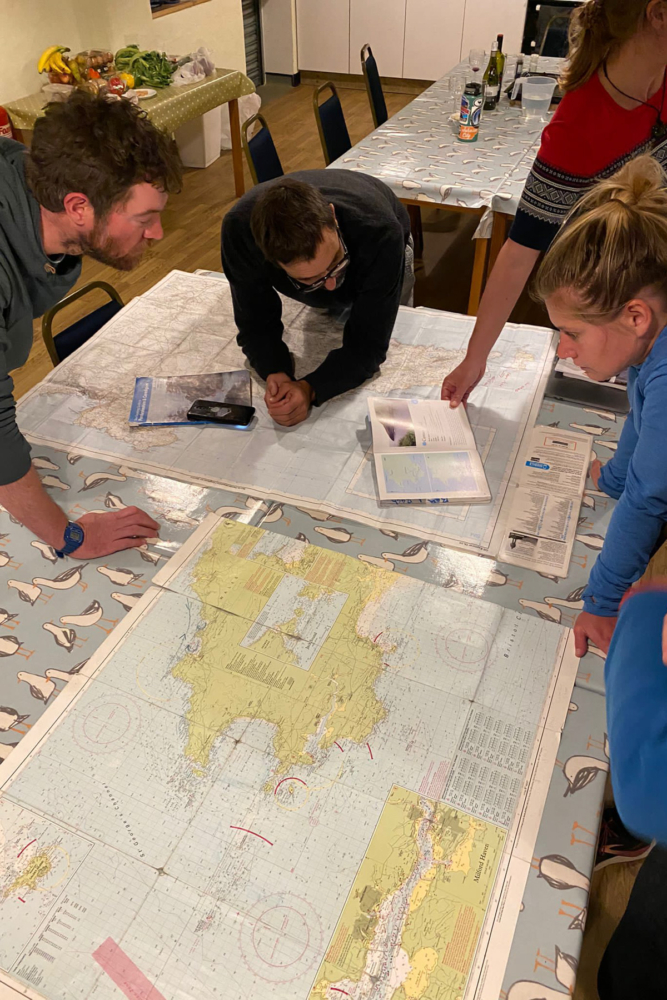
Before any trip, most paddlers study tide charts, local currents, nautical maps, and weather forecasts. Today, paddlers have access to a quiver of live forecasting tools: hour-by-hour wind models, interactive tide charts, and satellite wave models. These tools and the information they provide are the foundation of safe paddle planning. But they can also seduce paddlers into believing they know what the sea is doing.
“The sea is always changing,” he says. “Even when you think you’ve got it dialed, it changes.”
Tools like charts and maps are essential, but Fothergill finds them incomplete. “They don’t account for today’s changing wind, an inconsistent swell, or your energy level.” In other words, they can only take you so far.
In his view, good seamanship doesn’t mean foreseeing everything. It means staying adaptable, curious, and humble. Hold your predictions lightly, prioritize what’s actually happening, and let the environment, not forecasts, habit or ego shape your decisions.
You don’t learn situational awareness by watching YouTube videos or listening to a lecture. You learn it through small, everyday acts of noticing.
“Every trip begins with a picture in our minds, created from forecasts, charts, tidal atlases, and previous experience,” he says. “Then you launch, and the fun begins.” Your dry land hypothesis merges with a salty dialogue between paddler, water, weather, and the constantly shifting intersection of all three.
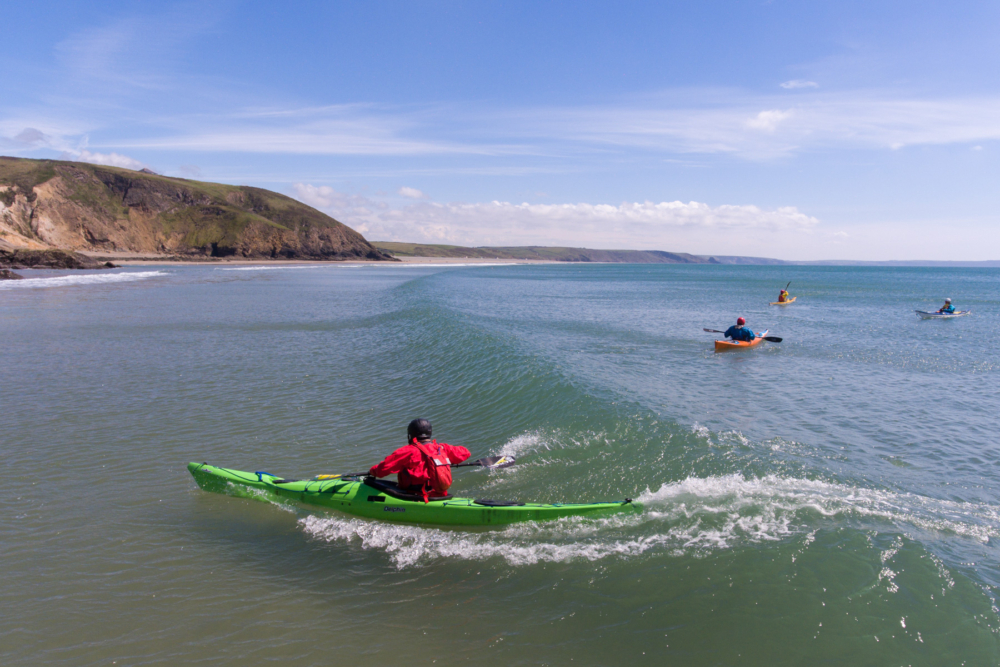
Fothergill describes situational awareness as the layering of three things: what you perceive, what you understand, and what you expect will happen. “It’s about building a mental picture from data and shifting clues from your surroundings, then updating that picture constantly.” He calls it “becoming an ocean detective,” and his sequence is a simple cycle that repeats every minute you’re on the sea:
Notice → Understand → Predict → Decide→ Reflect → Notice Again
To help paddlers sharpen these skills, Fothergill offers several simple ways to train your situational-awareness muscles.
1. Journal Your Experiences
Record the day’s forecast before a trip and the day’s reality after, building a library of patterns and a habit of reflection.
2. Run “What-If” Scenarios
As you paddle, ask yourself questions: What if the wind speed doubles in 20 minutes? What if that fog returns? What if our slowest paddler hits a wall? These scenarios keep you flexible and prevent tunnel vision.
3. Be Inclusive and Reflective
“Every time I’m out on the sea,” Fothergill says, “I plan with the group. We look at what will affect us… weather, swell, tide. We draw a picture of what we expect to see. Then go back afterwards and reflect.” It’s this reflection—what actually happened versus what you expected—that cements learning.
4. Paddle With People Who See More Than You Do
Mentorship accelerates awareness. Paddlers who have spent decades on one coastline often notice micro-patterns you don’t know exist yet. Paddling with them helps open your eyes to the subtleties of the sea.
5. Monitor On-Water Energy Levels
When conditions get dynamic, a paddler’s attention can fade. Fatigue, stress, cold, or fear can narrow peripheral vision and silence intuition. Experienced paddlers (and leaders) recognize early signs and act before errors multiply.
Fothergill stresses that situational awareness is a practice, not a switch you flip. It’s something to honing and learn every time you’re on the water. But that’s also what keeps it interesting. “The sea is so variable that even with the best weather, you are never going to be able to perfectly predict what it will do. It’s a wild, wonderful, challenging place to work and play.”
* * *
Back at the Bishops and Clerks, the group needed to reassess. Fothergill silently compared the picture he had drawn in his mind on land to what he was experiencing at sea. The signs were undeniable: he felt a mismatch. They could have continued, but the candidates, reading the same signals, chose to abort the circumnavigation. Fothergill supported the decision instantly: “Exactly what I would have done had they not come up with the plan.”
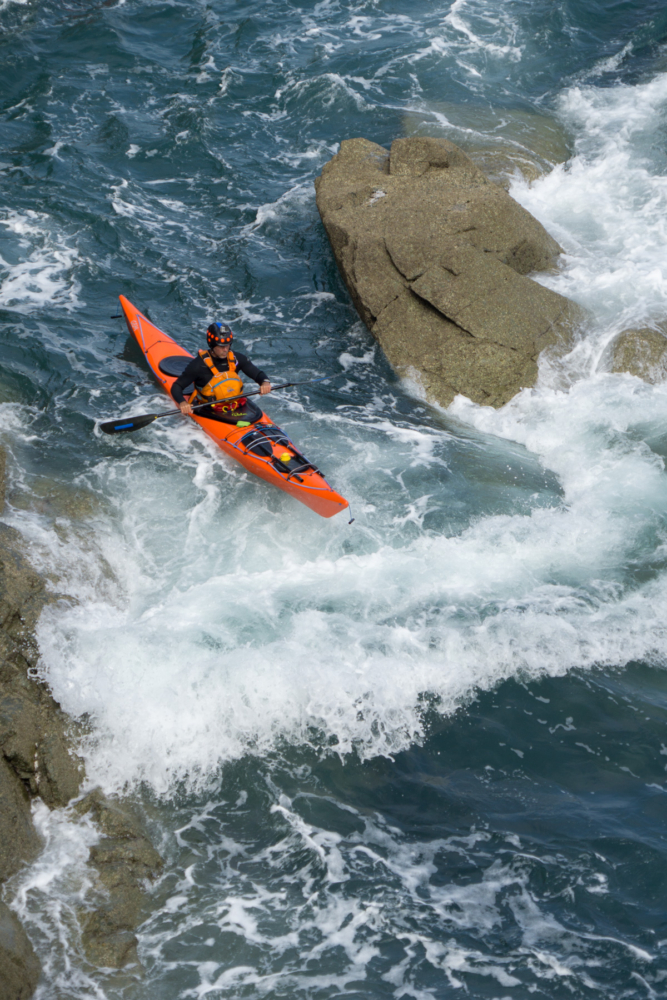
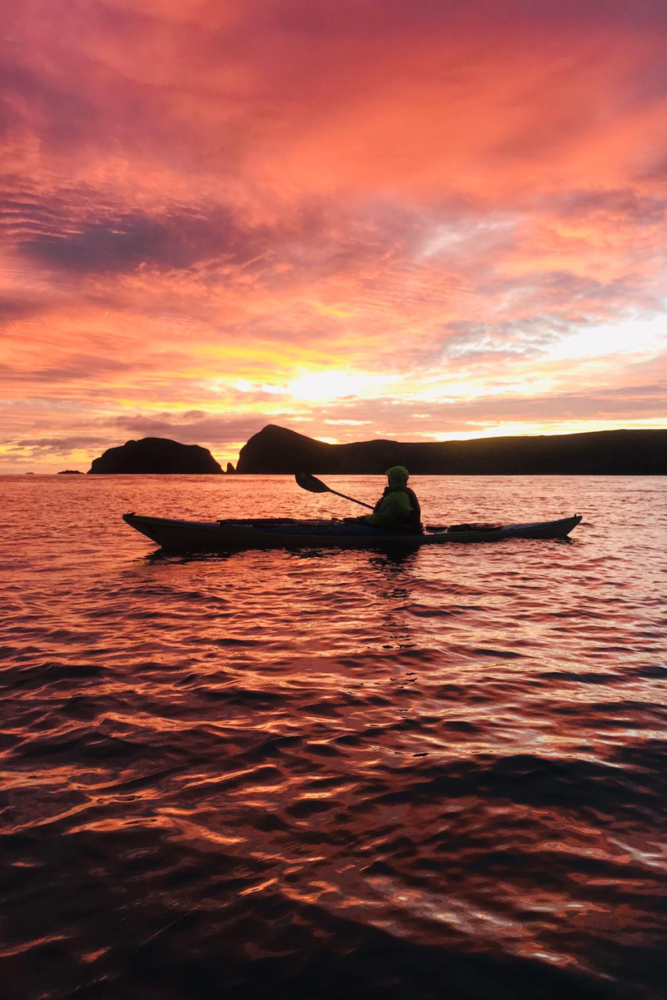
After returning to the main island through rolling, breaking water, they sifted through the weather data that explained part of the disparity they experienced: an offshore influence that had not been represented in the forecast. The reason they stayed safe wasn’t due to following the data or sticking to a plan. It was noticing. On another day, in other conditions, they might have continued. But being attached to a plan can be dangerous. Being attached to what you’re observing—that’s situational awareness.
“It comes down to using our seamanship,” says Fothergill. “What we’re seeing, what we’re feeling, what we’re noticing, and putting that together in a dynamic mixing pot of decision making.”
That’s the craft. Let tools guide you and observations ground you.
In the end, you—not the chart, not the forecast—are your most important navigational tool. And to calibrate that tool, you need to be out on the water, with open eyes and an open mind.
***