Imagine, for just a moment, an adventure. The most fulfilling adventure you can.
If we were sitting in a room together, I’d ask you to describe it, but since you’re reading this on a computer, we’ll have to improvise. All we ask is that you close your eyes for five seconds and picture it.
Now, was there lots of adrenaline? Sweeping vistas? Were you alone, or with a friend? Was there rushing water? What about deep valleys and towering peaks? Are you deep in the backcountry, miles from anyone else? Or were you in your own backyard?
Why not?
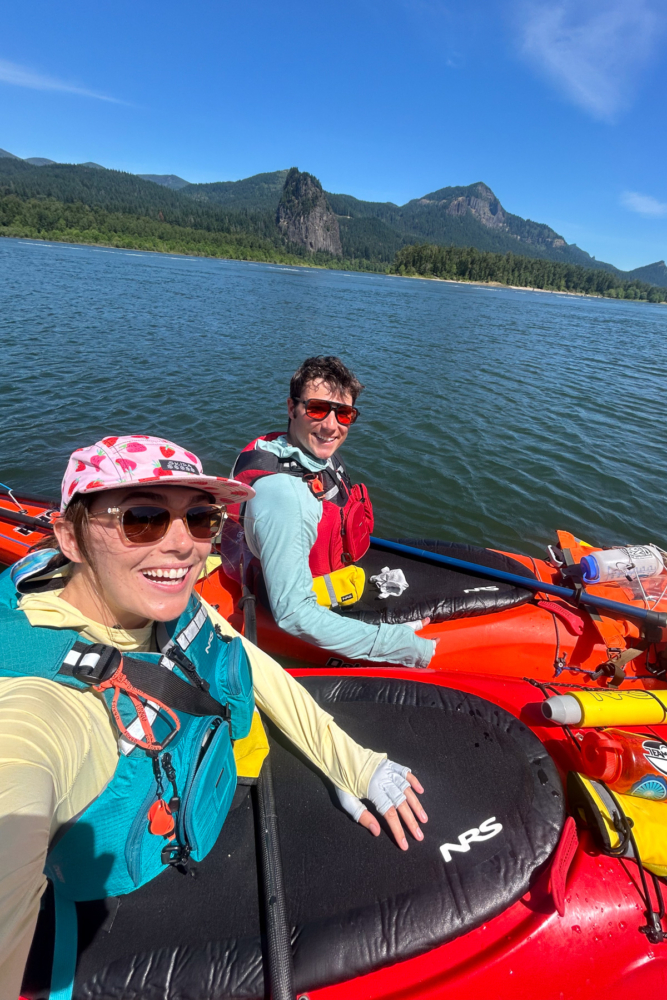
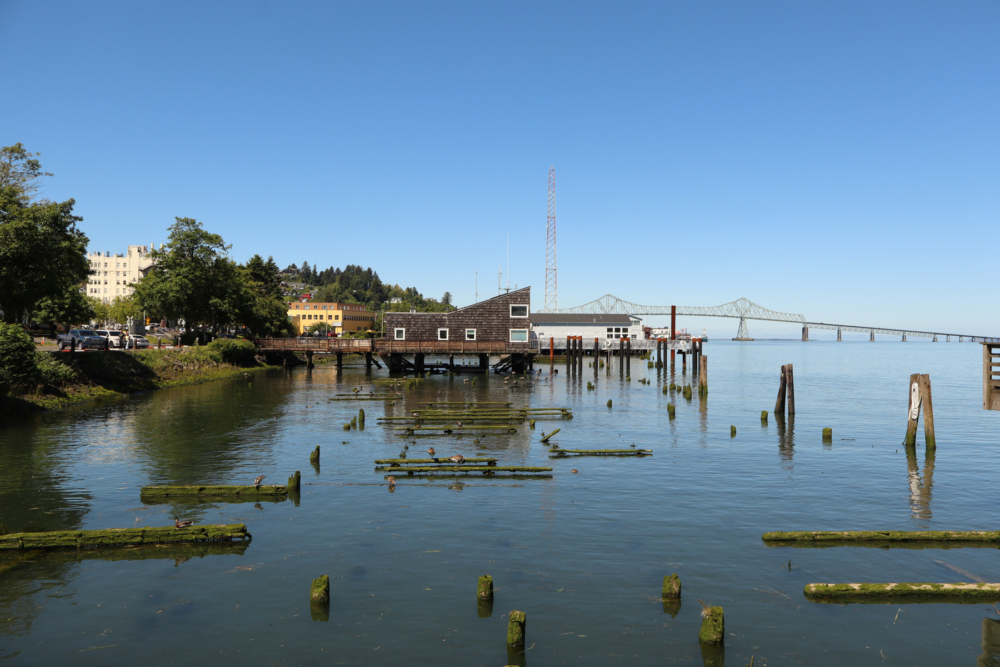
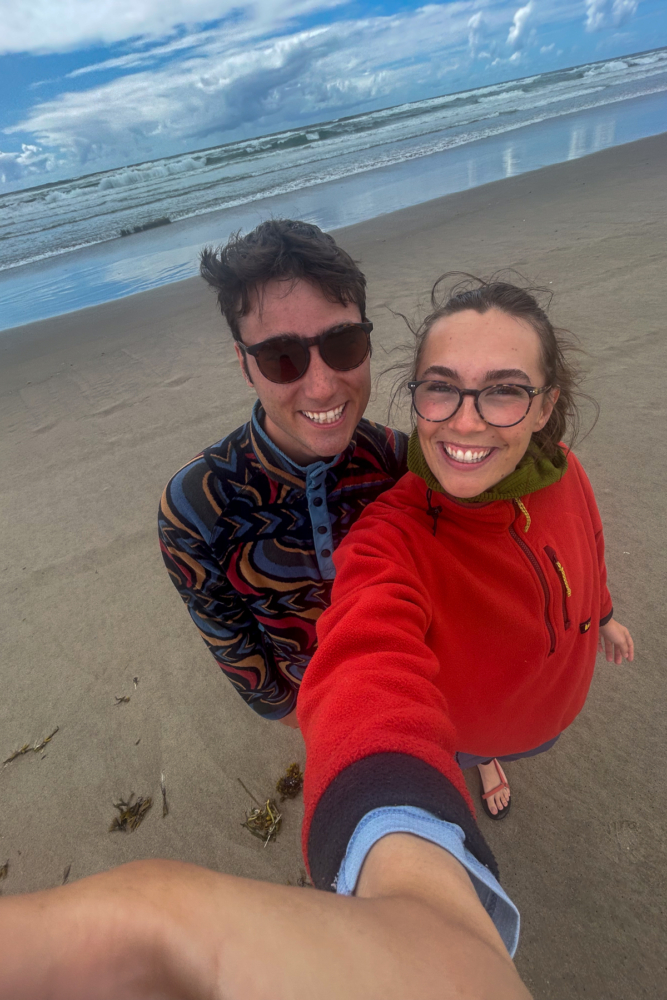
This summer, we set out on an expedition through crowded shipyards, industrial sloughs, and urban expanses along the Columbia River. Along the way, we realized that maybe adventure doesn’t require a plane ticket or an expensive itinerary. Maybe the best adventures happen just outside the back door.
As college students living in Portland on a shoestring budget with a hankering for adventure, we knew a paddling trip to Baja, Vancouver Island, or the Dalmatian Coast was well beyond our price range. Luckily, one of America’s largest rivers flows just north of the city: the Columbia.
So in May, we packed our boats and drove two hours to the Pacific Ocean, where we launched on a nearly two-month journey toward Oregon’s high desert. Our goal was simple: follow the summer chinook upstream and let them be our guides. Little did we know, it would become the most unexpected journey of our lives.
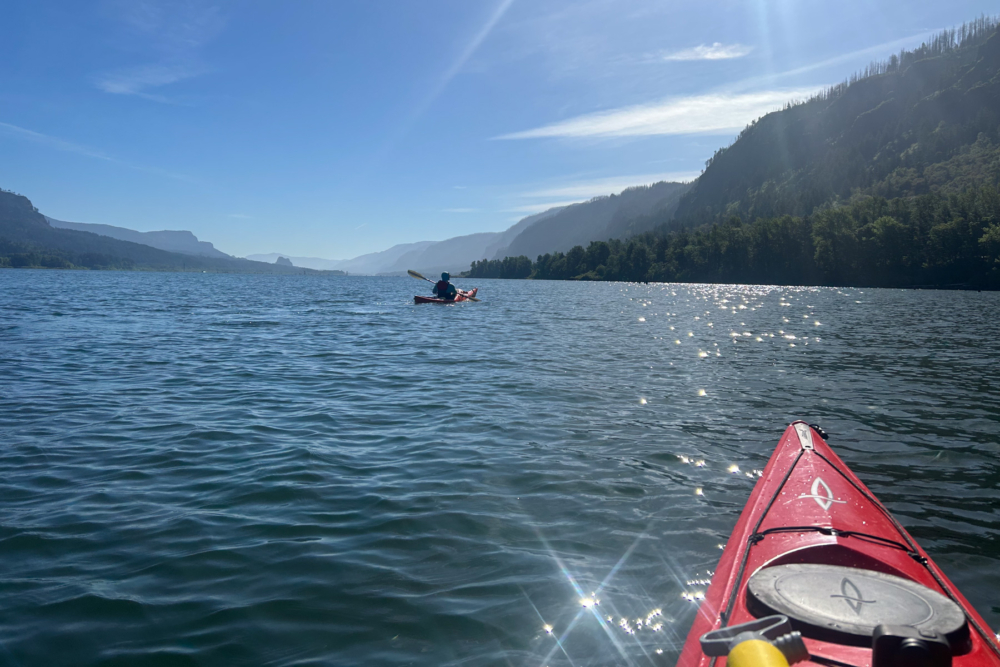
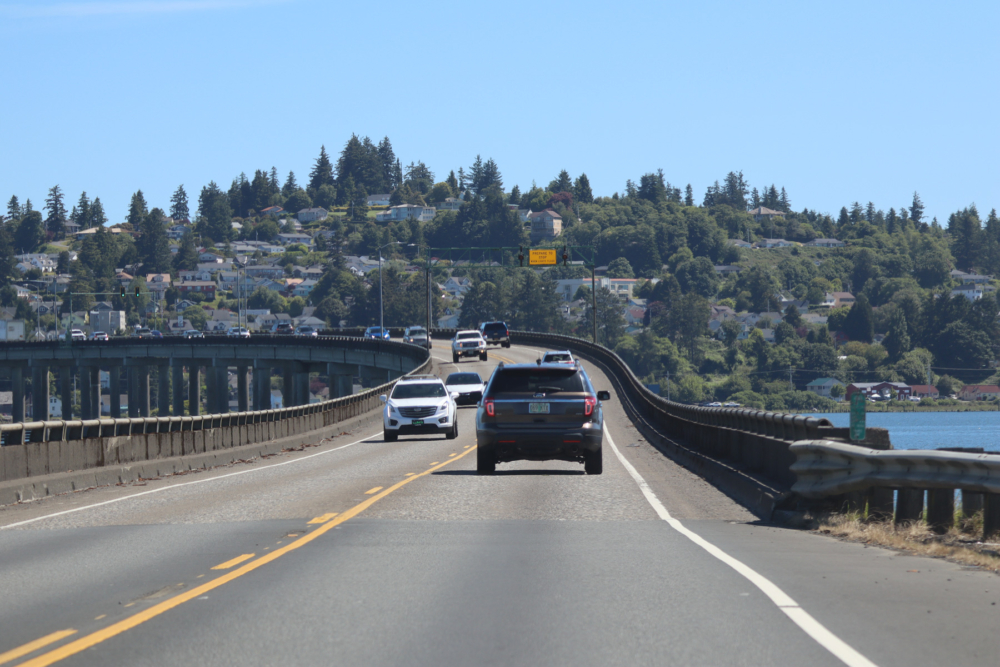
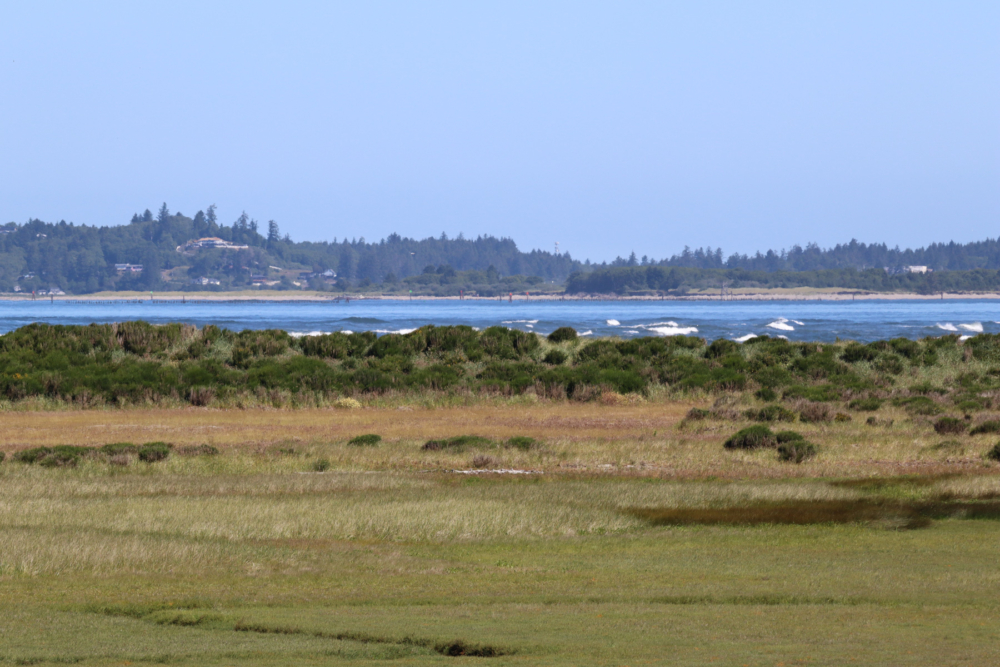
It didn’t take long for the adventure to begin. Filled with excitement, we pushed through the brackish estuary where the Columbia empties into the Pacific. Massive tides, powerful currents, and enough wind to make a kitesurfer jealous threw waves at us while enormous tanker ships slipped past. Most surprisingly, we had the river almost entirely to ourselves.
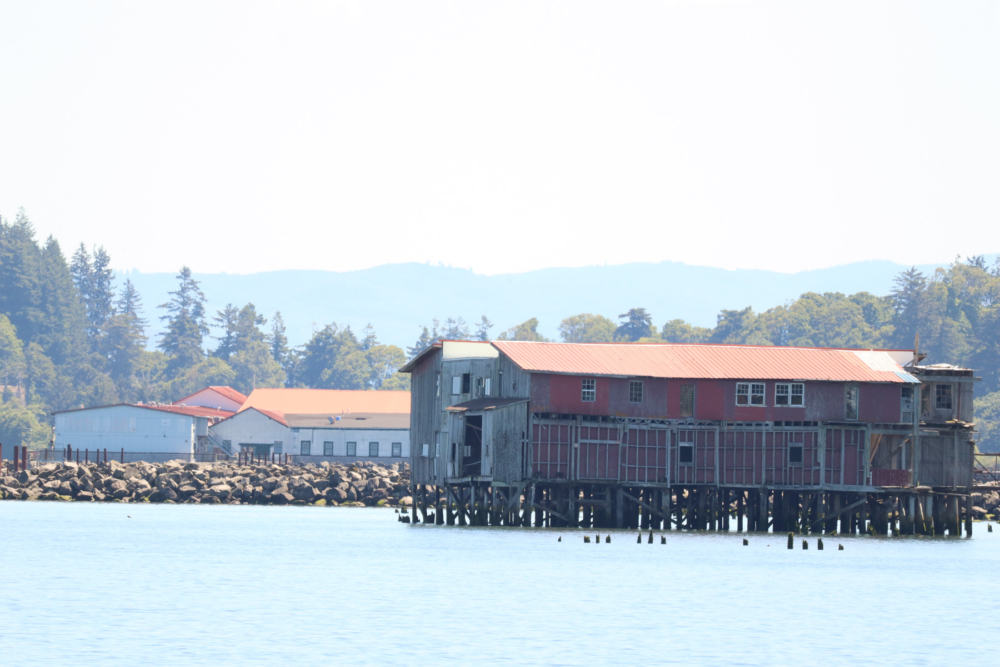
A week later, past Longview, Rainier, and toward Portland, the pace changed completely. Gone was the adrenaline of surfing wind waves as we drifted through a maze of wetlands and forest that felt almost tropical. Massive paper mills and shipyards interrupted the greenery, yet somehow only made the contrast more striking. We found ourselves constantly surprised by the river’s diversity.
Three weeks in, as we approached Portland, we seriously began to question our decision to recreate so close to home. Campsites disappeared. Nearly every shoreline belonged to someone else, hemmed in by private property, industry, or government infrastructure.
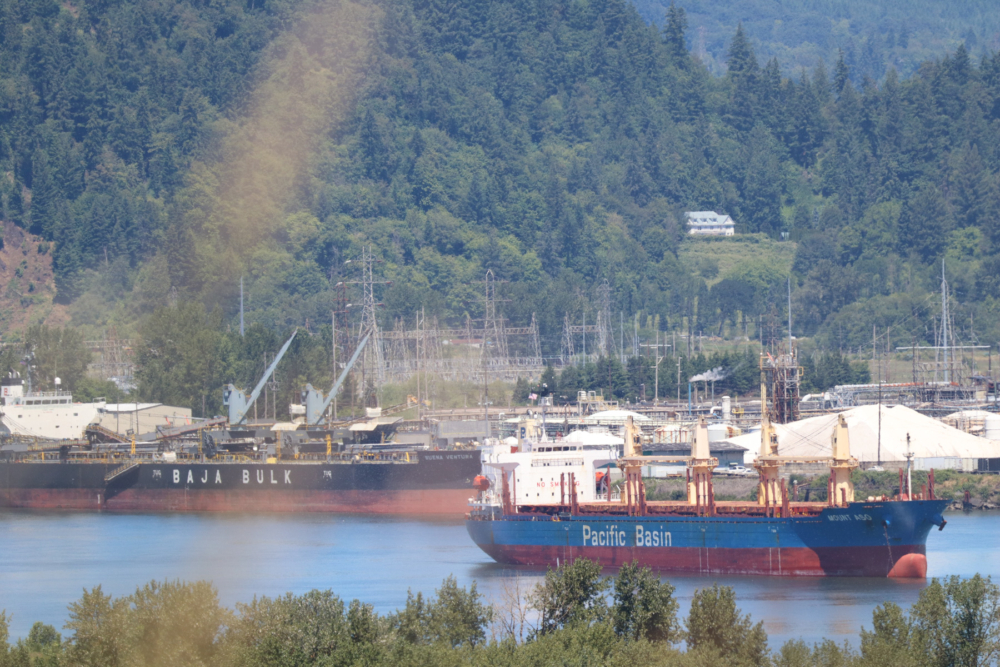
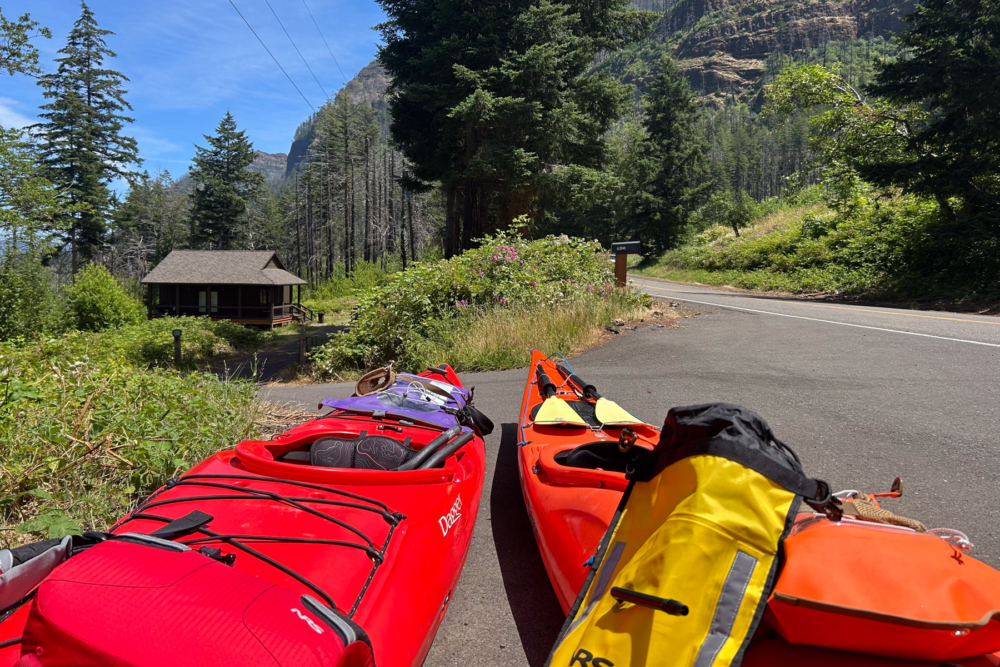
Then, studying our map, we noticed a narrow channel cutting through the city’s heart: the Columbia Slough. Too shallow for large boats but perfect for a pair of kayaks, it became one of the highlights of our trip.
As we tucked into the river’s softer seams, we found an unexpected urban wilderness. We paddled past the city dump, portaged around dams and dikes, and followed quiet channels lined with herons, cottonwoods, and marshes. It wasn’t pristine, but it was alive, and because we were following the salmon’s path, we embraced every bit of it.
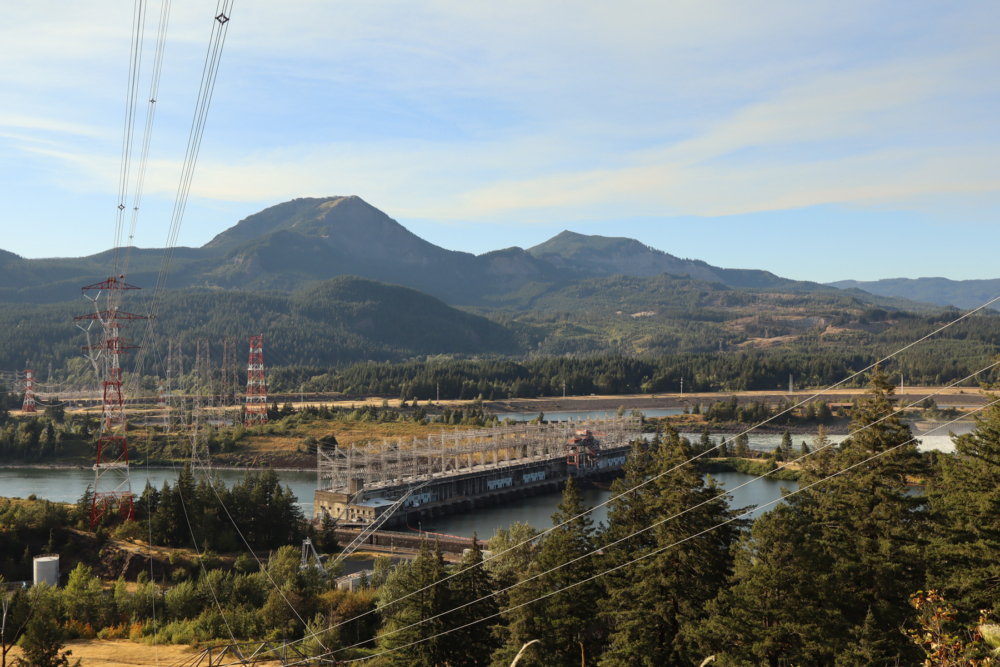
East of Portland, the Columbia squeezed into the Gorge, where sheer cliffs, train tracks, and highways crowded the river from both sides. Beyond the Cascades, the forests slowly gave way to sagebrush and open desert. There, massive hydroelectric dams forced us into mile-long portages before finally returning us to the current.
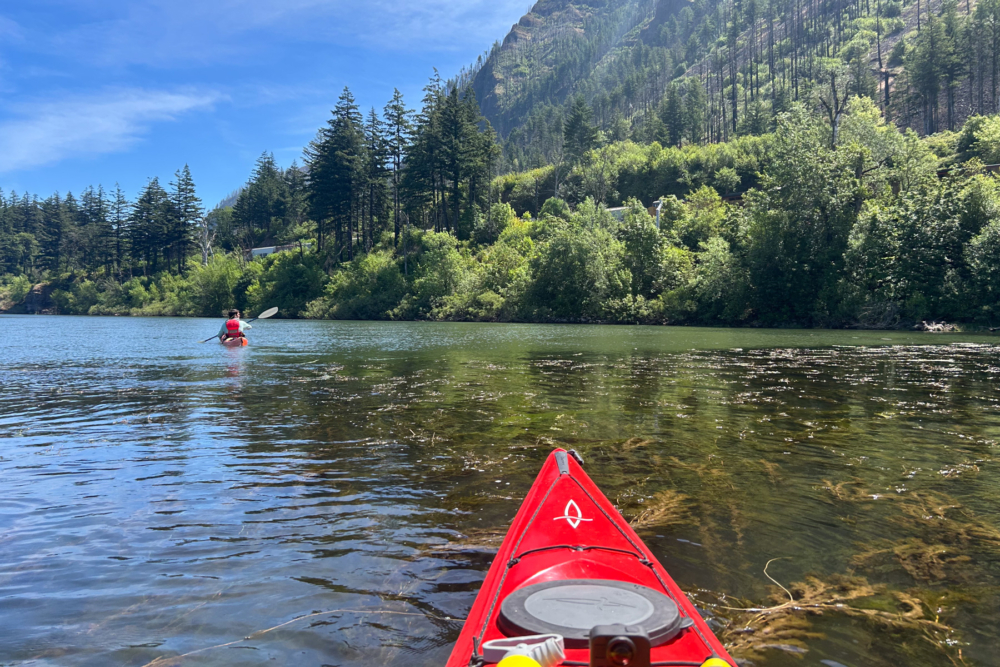
On paper, the trip sounds a little ridiculous. But somewhere along the way, we started asking ourselves what adventure really is. We eventually realized that adventure isn’t about where you go. It’s what happens when you give a stretch of your life a purpose and let the journey take on a life of its own.
After hundreds of miles of paddling against the Columbia’s current, from the Pacific to the desert, the river itself had become something more than water flowing downhill. It had taken on its own personality. By following the salmon, one paddle stroke at a time, we began to see the river a little more as they do—and in doing so, gained a deeper appreciation for the marvels waiting just outside our own back door.
Adventure isn’t about proving how tough you are; it isn’t about collecting achievements or chasing the biggest objective. It’s about slowing down long enough to become part of the place you’re moving through. It’s about recognizing that you’re only one small part of a much larger watershed.
So the next time you close your eyes and imagine the greatest adventure possible, don’t overlook the ones waiting close to home. Who needs an expensive plane ticket when an unknown world may be just outside your back door? Sometimes, all it takes is looking at a familiar place from a different perspective.
***
Editor’s Note: After 59 days following the summer chinook salmon upstream on the Columbia River, Eddie and Caroline have wrapped up their expedition. What began as a paddling journey evolved into a lesson in slowing down, paying attention, and experiencing one of the Pacific Northwest’s most iconic rivers, one paddle stroke at a time. They’re now back in Portland editing a documentary film and writing a book inspired by the journey, and enjoying their funding provided by the Reed College Environmental Studies Department.
Guest contributor Eddie Newsom is a senior environmental studies major at Reed College and a summertime kayak guide. When he’s not on the water, he loves climbing volcanos, pickin’ banjo, and organizing trips for his college’s outing club. You can’t follow him on social media, but if you’re lookin’ for him, he’ll be on the river!
Guest contributor Caroline Menten is a senior English literature major and environmental humanities minor at Reed College. A sea kayak guide in Prince William Sound, Alaska, she loves to explore the trails, climbs, and paddles of the Pacific Northwest whenever she doesn’t have her nose deep in a book. Sometimes, Amitav Ghosh is best read from a tent!